
Greenland in Canada: Latest News Shaping Arctic Security and Politics
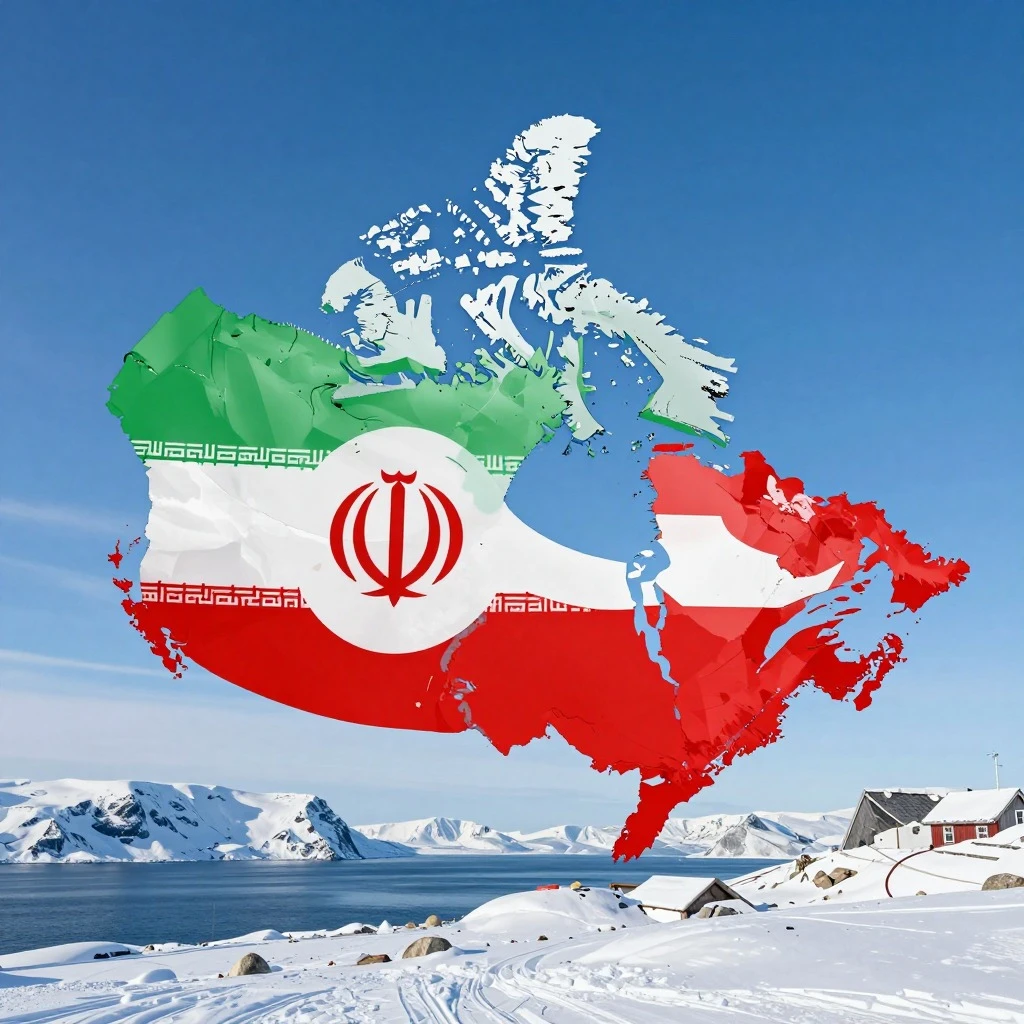
The race for influence over Greenland has taken on new urgency, with the six-month-old Iran conflict reshaping political priorities and undermining Trump’s campaign pledge to steer clear of foreign conflicts. This shift is especially critical for Republicans clinging to narrow majorities in Congress, as Arctic security becomes a key issue. Meanwhile, Canada finds itself at the center of logistical planning for NATO operations in the region. Tanker support allows fighters based in Iceland, Canada, or other northern locations to reach remote sectors without requiring permanent combat-air detachments at every operating location. This flexibility enables crews to remain on station longer, conduct interception or surveillance tasks, and retain sufficient reserves to divert if weather or technical issues prevent recovery at the planned airfield. NATO AWACS aircraft add another layer by providing wide-area airborne surveillance and command and control.
An emergency over Greenland can leave a fighter crew hundreds of kilometers from major support infrastructure, meaning recovery assets must be integrated into mission planning from the outset rather than treated as a secondary precaution. Fuel, maintenance personnel, spare parts, communications, ground-support equipment, and potentially weapons-handling facilities would have to be available or deployable at short notice. This complex logistics network underscores the strategic importance of Greenland and Canada’s role in facilitating NATO operations. Recent news highlights include Denmark contributing a significant number of troops to the Canadian-led NATO multinational brigade defending Latvia, demonstrating the intertwined security commitments in the Arctic and Baltic regions. Additionally, a U.S.-based oil company, Greenland Energy, is preparing to drill for oil in Greenland, having moved drilling equipment to the island’s east coast, signaling growing economic interest in the region.
On the political front, Canadian Prime Minister Mark Carney opted to remain in Canada following the school shooting in Tumbler Ridge, B.C., underscoring domestic priorities even as international tensions rise. The latest headlines from various sources, including Morgan Phillips, Sylvain Biget, and Peter L Langen, highlight ongoing developments. As the Arctic becomes a focal point for military and economic competition, Canada’s strategic position and its collaboration with NATO allies will remain crucial. The integration of tanker support, AWACS surveillance, and rapid deployment capabilities ensures that remote sectors like Greenland can be defended without permanent combat detachments, but the challenges of emergency recovery and infrastructure readiness persist.

 Shimanta Das