Tasmania on Alert: H5N1 Bird Flu Detected, Emergency Plan for Critically Endangered Parrots
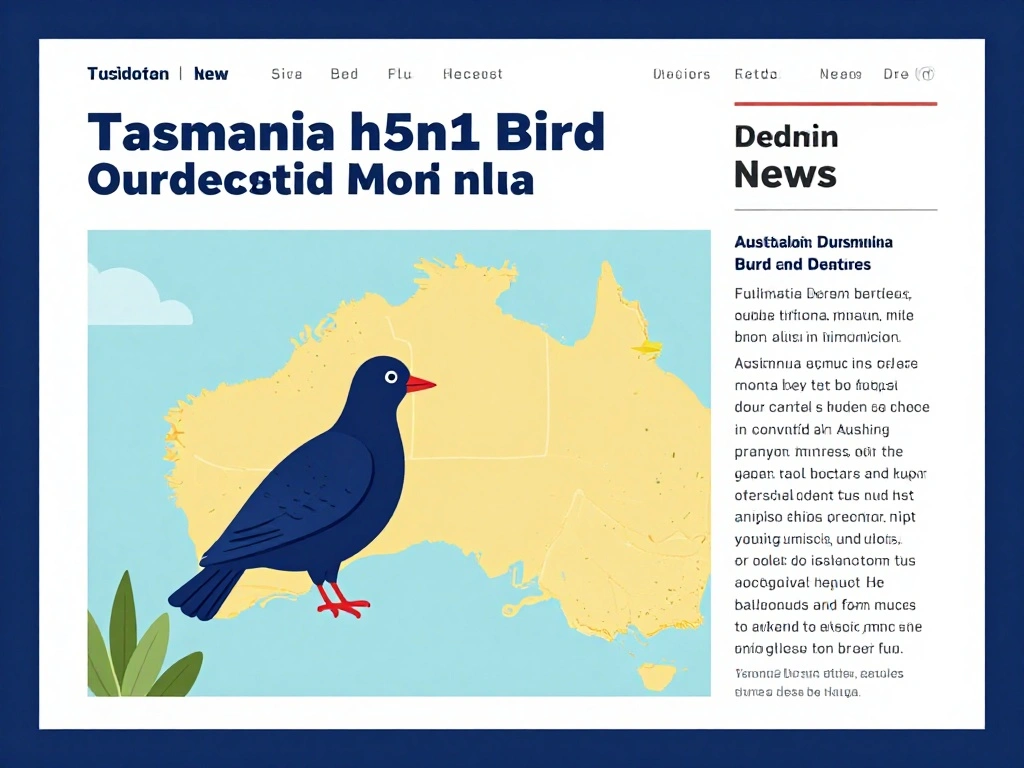
Tasmania has been put on high alert after the detection of the H5N1 strain of avian influenza in a migratory brown skua found dead on the state’s northwest coast. The positive result, confirmed by Minister for Primary Industries and Water Gavin Pearce, has triggered the activation of the state’s bird flu response plan. While the risk to the general public remains low, authorities are taking proactive measures to protect both wildlife and the community.
The discovery has raised particular concern for the critically endangered orange-bellied parrot, with a wild population of as few as 88 individuals. H5 bird flu poses a significant threat to this species, which is already on the brink of extinction. In response, Environment Minister Guy Barnett announced plans to vaccinate up to 350 orange-bellied parrots in captivity, pending approval. This move is seen as a crucial step to safeguard the species from a potential outbreak that could be devastating.
Testing is underway to determine where the skua contracted the virus, with NRE’s director of threatened species, Dr. Rachael Alderman, noting that skuas are regular visitors to Tasmanian waters. The state is prepared to respond, with Minister Pearce emphasizing that Tasmania’s bird flu response plan is ready to be enacted. The main concern surrounding H5N1 is its ability to cause severe illness in humans in the uncommon event of infection, but at present, the key preventive measure for the public is to avoid handling sick or dead wild birds and poultry, and to follow local health and biosecurity advice.
This incident highlights the importance of vigilance and preparedness in the face of emerging wildlife diseases. The vaccination plan for the orange-bellied parrot is a significant step in protecting threatened bird populations that could be vulnerable to outbreaks. As testing continues, authorities are working to understand the virus’s origin and spread, ensuring that both human and animal health are safeguarded.
 Shimanta Das