
The Hidden Dangers of Petting Farms: A Victorian Toddler’s Battle with E. coli
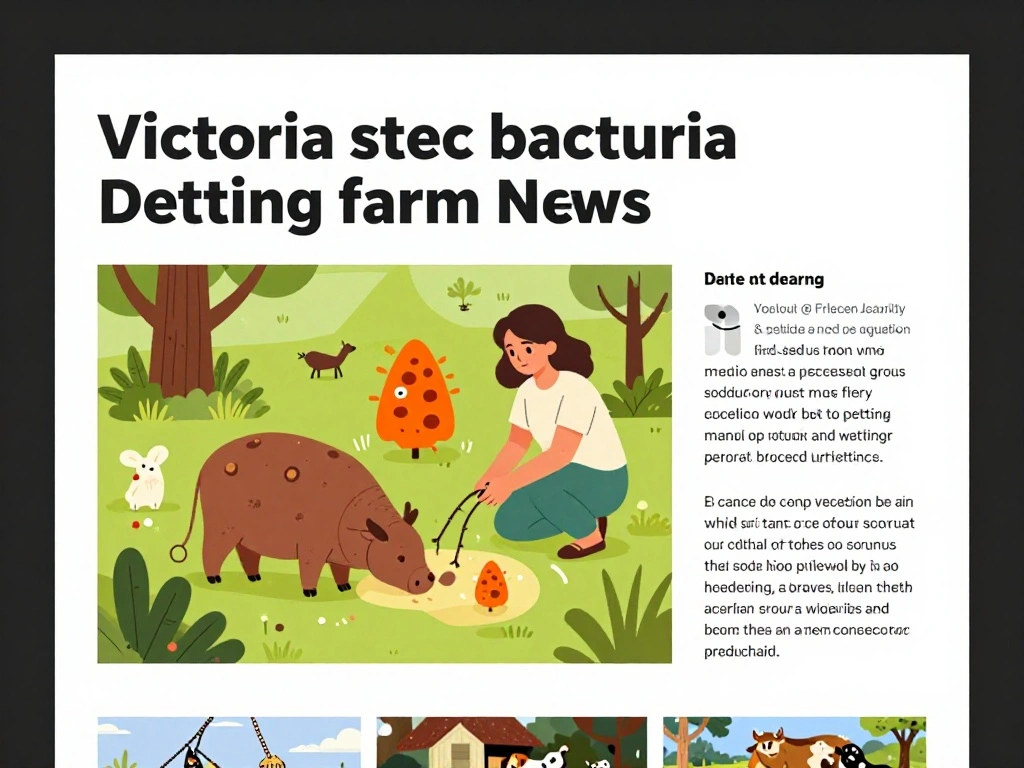
In a stark reminder of the risks associated with animal exhibits, a Victorian toddler’s visit to a petting farm resulted in a severe E. coli infection, leading to a 17-day stay in intensive care. The child, who was initially treated at Frankston Hospital, was transferred to Monash Children’s Hospital after a blood test revealed hemolytic uremic syndrome (HUS), a serious complication that can cause kidney failure. The toddler required dialysis for over two weeks, highlighting the potentially devastating consequences of a seemingly innocent outing.
The culprit was verotoxin-producing E. coli (VTEC), a strain of the bacterium commonly found in the feces of animals such as cattle, goats, and sheep. These animals can carry the bacteria without showing any signs of illness, making them silent carriers in petting farms and public exhibits. While VTEC is a relatively recent concern as a foodborne illness, its true burden is likely underestimated due to the lack of routine screening for bloody diarrhea, which is a key symptom of infection.
Transmission often occurs through the fecal-oral route, particularly when children touch animals or their environment and then put their hands in their mouths. Handwashing after using the toilet and before and after preparing or eating food is critical to prevent the spread of this infection. For most people, the illness is self-limiting, and treatment is generally supportive, focusing on maintaining hydration. However, in a smaller but devastating number of children, the infection can spread beyond the intestines, leading to HUS, as seen in this case.
This incident serves as a crucial reminder that the risks associated with animal contact are real and present. While petting farms offer educational and recreational benefits, it is essential for parents and caregivers to supervise children closely, ensure they wash their hands thoroughly after any animal interaction, and be vigilant for symptoms such as bloody diarrhea, which should prompt immediate medical attention. The toddler’s ordeal underscores the importance of awareness and preventive measures to protect the most vulnerable among us.

 Shimanta Das