Trump Tariffs on Steel and Aluminum: Allies Included as 50% Rate Takes Effect
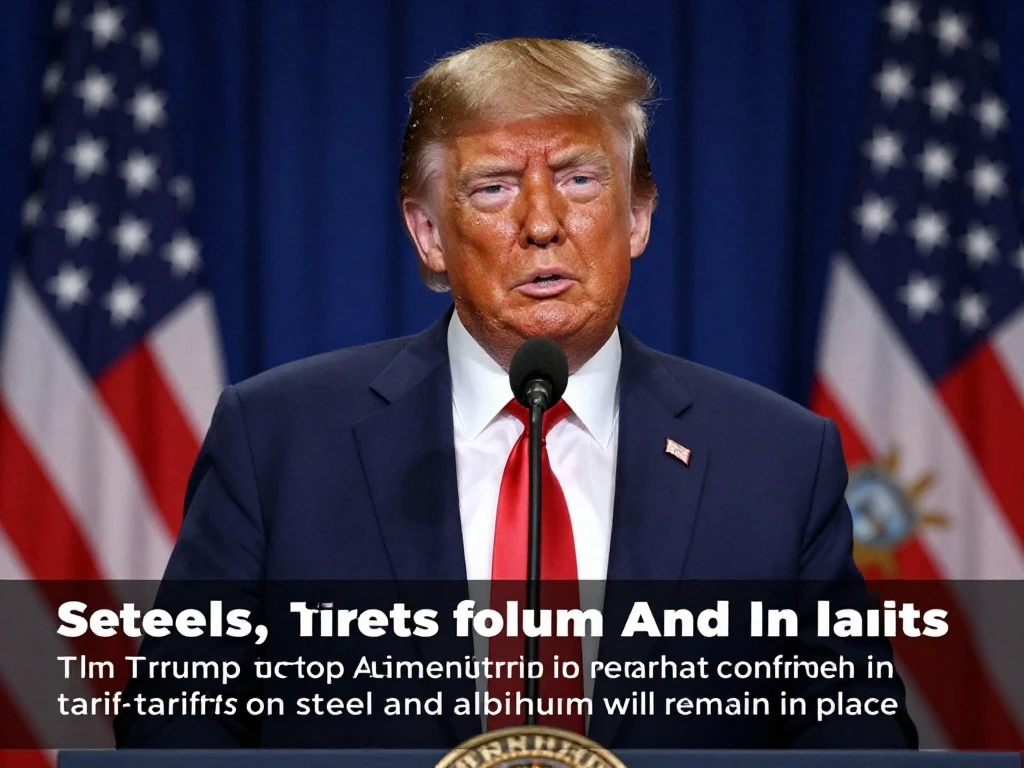
The Trump administration has confirmed that tariffs on steel and aluminum will remain in place—and not just for strategic rivals, but also for key allies. In June 2025, President Trump increased the tariff rates on these critical industries to 50%, a level designed to strengthen domestic production. The tariff rate increase is effective as of 12:01 am EDT on June 4, 2025, for goods entered for consumption or withdrawn from warehouse for consumption. This move underscores the administration’s commitment to protecting American steel and aluminum industries, even as it strains relations with traditional partners.
Customs and Border Protection (CBP) is set to issue authoritative guidance mandating strict compliance with declaration requirements for steel and aluminum content in imported articles. The guidance will outline maximum penalties for noncompliance, emphasizing that importers who submit underreported declarations may face severe consequences, including significant monetary penalties, loss of import privileges, and criminal liability. This strict enforcement signals that the administration is serious about ensuring that all imports are properly declared and that tariffs are fully collected.
The tariff hike comes amid broader trade tensions. The Trump Administration has signaled that July 9, 2025 is a key date for the President to determine whether to increase the Global Reciprocal tariffs for specific countries. These tariffs were initially delayed by a 90-day pause announced on April 9. Additionally, the recent UK Economic Prosperity Deal (EPD) includes a clause allowing the tariff rate to be adjusted up or down, or transitioned to a quota, providing some flexibility in trade negotiations. However, for now, the steel and aluminum tariffs remain firmly in place, affecting allies and competitors alike.
The decision to maintain and increase tariffs on steel and aluminum is part of a broader strategy to bolster national security and economic resilience. While critics argue that such measures could escalate trade wars and harm relations with allies, supporters contend that they are necessary to protect vital industries from unfair competition. As the July 9 deadline approaches, all eyes will be on the administration to see if further tariff adjustments are made. For now, importers must navigate the heightened compliance landscape and prepare for the full impact of the 50% tariffs.

 Shimanta Das