Trump Rejects Iran Ceasefire Proposal as War Enters Its Eighth Month
As the conflict in the Gulf enters its eighth month, President Trump has rejected an Iranian proposal to reopen the Strait of Hormuz and resume nuclear discussions. The offer, which Iran said would be implemented within a week if the United States lifted its blockade on Iranian ports, was dismissed by the White House, leaving the vital waterway essentially under Iranian blockade. The strait, a chokepoint for global oil shipments, has seen a significant drop in ship traffic due to Iranian threats and attacks on vessels attempting to transit.
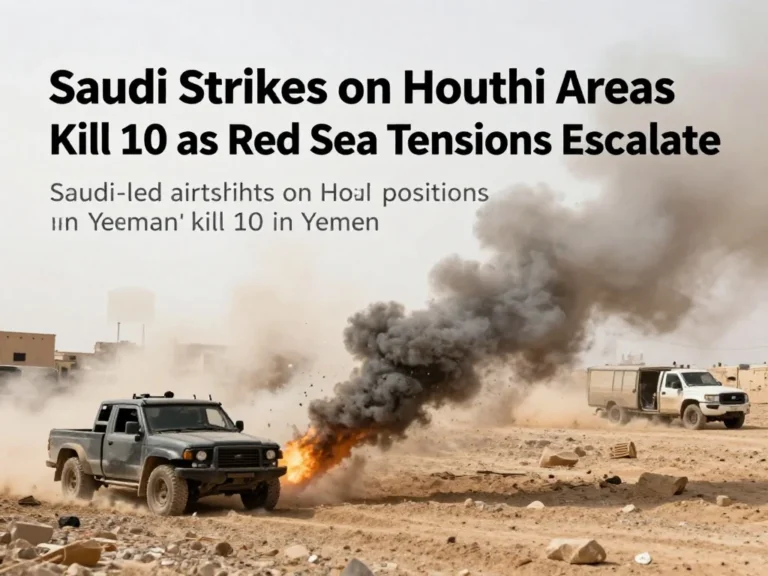
The rejection comes amid escalating tensions and a series of attacks that have underscored the region’s volatility. This month, Saudi Arabia’s key pipeline designed to bypass the Strait of Hormuz was attacked, further complicating its oil export options. The kingdom needs the strait open because its secondary route through the Red Sea remains blocked by Yemen’s Houthi rebels. On Saturday, the Houthis claimed they had attacked “sensitive” sites in Riyadh, shortly after flames and smoke were seen near the city’s main airport. Additionally, eight Marines were injured in a previously unreported Iranian attack on Hormuz, highlighting the human cost of the ongoing hostilities.
Seven months into the conflict, which remains unresolved, there is a palpable absence of peace in the Gulf. The collapse of a memorandum of understanding last month over differences on deal terms led to an escalation in attacks, particularly around the Strait of Hormuz. Iran’s proposal to reopen the waterway and restart nuclear talks was contingent on the U.S. lifting its blockade, but the Trump administration has shown no willingness to concede. Meanwhile, some Republicans are expressing concerns that the president’s handling of the war could affect their chances of maintaining control of Congress in November, adding domestic political pressure to an already complex international crisis.
With no clear diplomatic off-ramp in sight, the region remains on edge. The Strait of Hormuz, a critical artery for global energy supplies, continues to be a flashpoint, and the lack of progress toward peace suggests the conflict may persist well beyond its eighth month. As the U.S. navigates both military and political challenges, the world watches closely, hoping for a resolution that seems increasingly elusive.
 Shimanta Das