Supreme Court Rejects Trump Bid to Segregate California Ballots, Handing State Major Victory
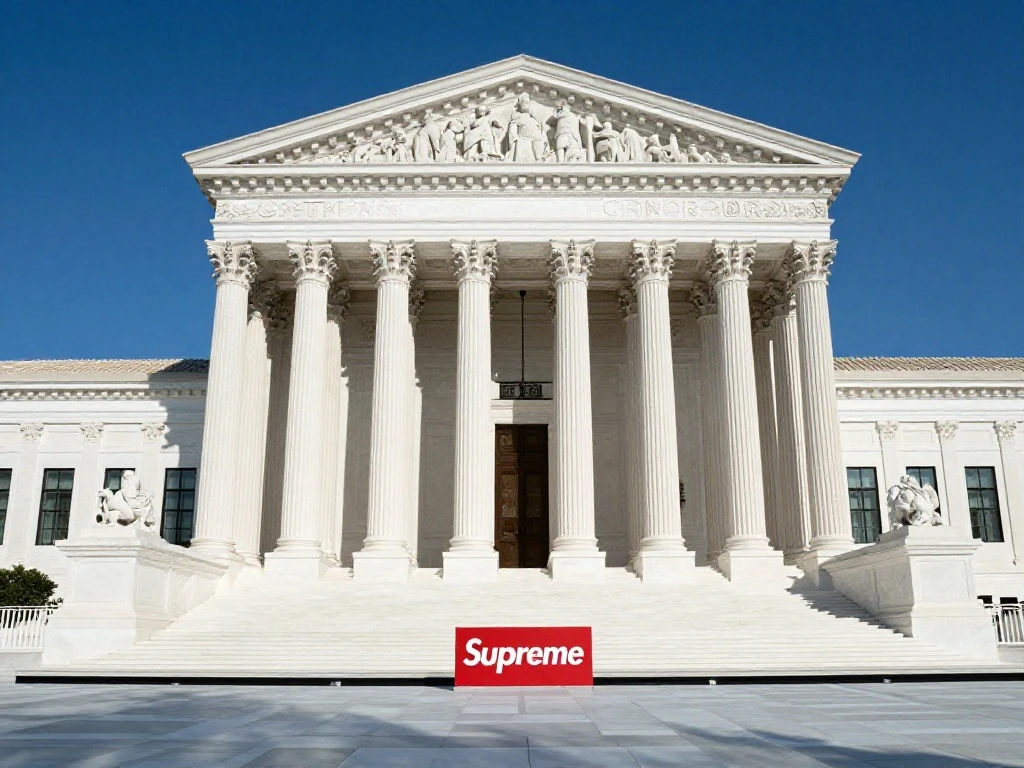
In a rapid decision just hours before Election Day, the Supreme Court on Monday rejected the Trump administration’s emergency request to force California election officials to segregate and not count ballots from individuals the Justice Department claims are non-citizens. The ruling marks another major loss for President Trump on election cases at the high court and hands California a significant victory in an extraordinary dispute that reached the nation’s highest court at the eleventh hour.
The decision means the lower-court rulings remain in place, allowing California to continue using its existing procedures for processing ballots and determining voter eligibility. The Supreme Court did not issue an explanation for its ruling, which is customary in cases that come to it on an emergency basis. The ruling follows several lower courts siding with California officials, who argued the federal government was seeking to interfere in state elections. On Friday, a three-judge panel of the Ninth Circuit Court of Appeals denied the appeal in a 2-1 ruling, with Circuit Judges Mark Bennett and Gabriel Sanchez writing for the majority: “There is a material risk that granting the United States its requested relief would result in disenfranchisement.”
The high court’s action comes as the nation braces for midterm elections that will determine which political party holds majorities in the House and Senate. Pollsters and analysts widely predict Democrats will make significant gains. The Trump administration’s request was seen as an attempt to alter election procedures in the nation’s most populous state, which has a large number of eligible voters. California officials celebrated the ruling as a vindication of their authority to run their own elections without federal interference.
This is not the first time the Supreme Court has rebuffed the administration’s emergency appeals in election-related matters. The rapid decision underscores the justices’ reluctance to disrupt state election procedures close to an election. With the ruling, California can proceed with its usual ballot processing, ensuring that all eligible voters have their voices heard. The case highlights the ongoing tension between federal and state authorities over election administration and the high court’s role in resolving such disputes on an expedited basis.
 Shimanta Das