Rising Oil and Gas Prices Add Pressure Over the Iran War
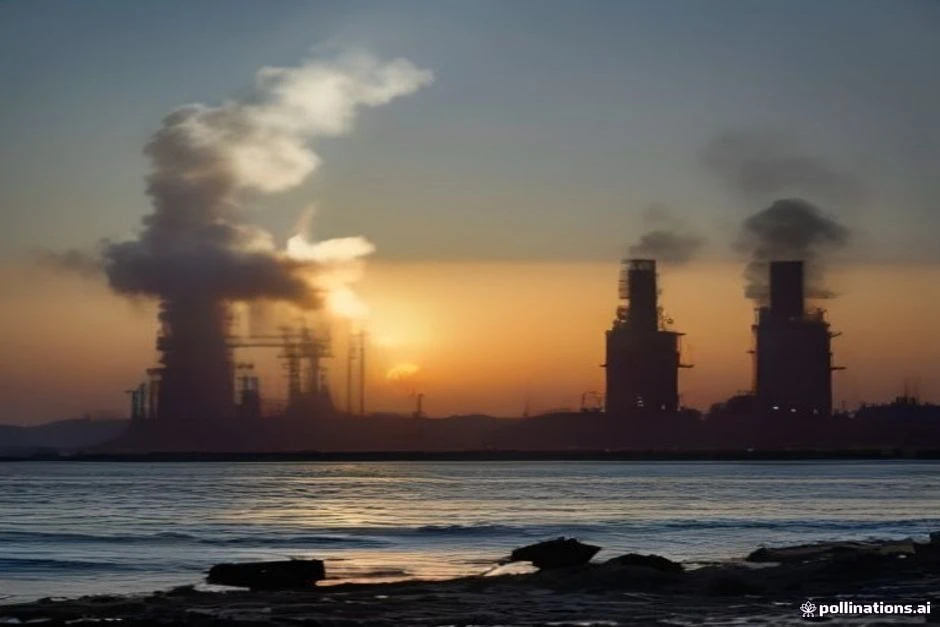
The Iran war has sent shockwaves through global energy markets, triggering the largest supply shock in history according to the International Energy Agency. The conflict’s most critical flashpoint has been Iran’s closure of the Strait of Hormuz, a chokepoint that carries a significant share of the world’s crude exports. This closure disrupted 20% of global oil supplies and significant liquefied natural gas (LNG) volumes, causing Brent crude prices to surpass $100 per barrel and intensifying volatility across benchmarks.
Even after Iran and the United States announced a ceasefire on 8 April, ship traffic through the Strait of Hormuz remained far below pre-war levels, underscoring persistent risks to supply chains. The initial petroleum disruption is expected to hit Asia hardest, but Europe is likely to face severe consequences in the medium-to-long term, with the UK projected to be the worst-hit major economy. Meanwhile, satellite imagery analysis by Bloomberg and the Energy Economics and Society Research Institute in Tokyo revealed that Qatar’s Ras Laffan gas facility appeared undamaged before an “unprecedented shutdown” that sent fuel prices higher, adding to market jitters.
The conflict has reshaped global oil markets, increasing geopolitical risk across energy systems and raising concerns about energy security. The LNG market has also been rattled, with the Strait of Hormuz remaining a critical chokepoint for global energy flows. As the situation evolves, traders and policymakers are closely monitoring supply disruptions and price volatility, with the Iran talks at the UN General Assembly serving as a key diplomatic front. The war’s impact on oil and gas prices continues to add pressure on economies worldwide, highlighting the fragility of global energy supply chains.

 Shimanta Das