Rising Extreme Weather Damage Drives Higher Home Repair and Insurance Costs Across the U.S.
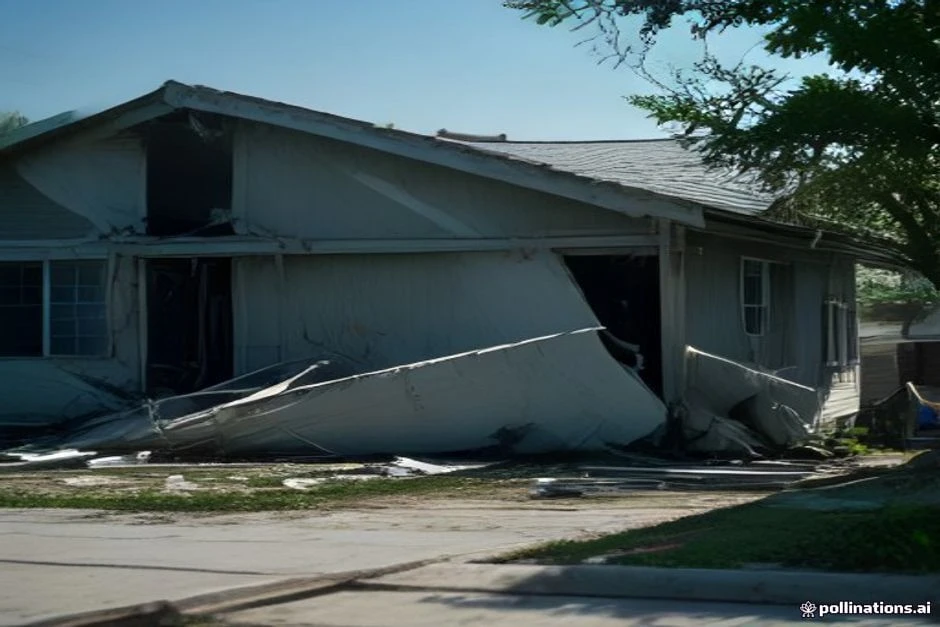
Homeowners across the United States are facing a harsh reality: the cost of protecting their homes is skyrocketing, driven largely by extreme weather events. According to analyses from LendingTree and the Consumer Federation of America, insurance price increases are outpacing income growth and affecting the vast majority of ZIP codes. Extreme weather is the primary culprit. More frequent and severe events—hurricanes, wildfires, floods, and tornadoes—push higher insured losses and rebuilding costs, forcing insurers to raise premiums to maintain financial stability. As Spencer Glendon, an executive fellow at Harvard Business School, notes, Earth’s climate remained relatively stable for a very long time, meaning home insurance didn’t need to change. That era is over.
The impact is not uniform. Florida remains the most expensive state for homeowners insurance, with average premiums approaching $8,500—more than twice the national average. Yet even there, major insurers have withdrawn from the market or declined to write new policies. California has been hit especially hard, with seven out of 12 major carriers leaving or reducing coverage since 2022, according to the California Public Policy Institute. The Senate Budget Committee wrote, “Climate change has become a major cost-of-living issue for families across the country.” The number of weather events that produce significant damage is also rising, compounding the problem.
For homeowners, navigating this market is increasingly difficult. Affordability is strained, and options are shrinking in high-risk regions. To cope, experts suggest several steps: review your policy annually, consider raising your deductible to lower premiums, invest in home hardening (such as storm shutters or fire-resistant roofing), and shop around for coverage. Some may also explore state-backed insurance pools of last resort. While these measures can help, they are not long-term solutions. Without addressing the underlying climate risks, the trend of rising costs is likely to continue, leaving many families struggling to afford the very protection they need.
 Shimanta Das