Republicans Fear Two Key Senate Races Are Slipping Away as Midterms Near
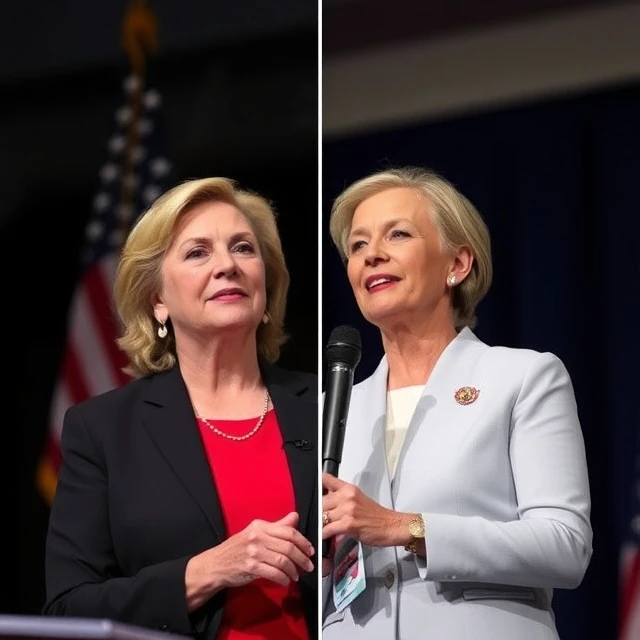
With the midterm elections just weeks away, Republicans are growing increasingly anxious about two critical Senate races that could determine control of the chamber. According to Nate Silver’s Silver Bulletin, which updated its averages on Sunday, Democrats now lead in key battlegrounds including North Carolina, Georgia, Minnesota, Maine, Ohio, New Hampshire, Michigan, Texas, and Alaska. This trend is echoed by the Cook Political Report, which has shifted six key races in Democrats’ favor since April. The mounting evidence suggests that the GOP’s hold on the Senate may be in jeopardy, with profound implications for President Trump’s agenda, including his ability to confirm nominees and fill court seats.nnThe two races causing the most concern for Republicans are in Maine and North Carolina, where Democratic challengers have gained momentum. In Maine, longtime Republican Senator Susan Collins faces a tough re-election bid, while North Carolina’s open seat—currently held by retiring Republican Richard Burr—has become a toss-up. Democrats need to defend every seat they hold while targeting these Republican-held seats, and they are also competing in Trump-won states like Alaska, Iowa, Ohio, and Texas. This expansive map gives Democrats multiple paths to a majority, a point they have been quick to emphasize. “I am very confident that we will be in the majority at the end of November this year,” said one Democratic strategist, reflecting the party’s growing optimism.nnRepublicans, however, are not conceding defeat. Senate Republicans have expressed frustration with the pace of their campaign efforts. “We haven’t done a damn thing,” said Sen. John Kennedy, R-Louisiana, highlighting internal concerns about the party’s strategy. Former House Speaker Kevin McCarthy offered advice to GOP hopefuls in key midterm races: “Don’t sit back.” He urged candidates to be aggressive and not rely on national trends. The Senate’s role in confirming or blocking presidential nominees means that losing the majority would severely hamper Trump’s ability to shape the judiciary and fill administration jobs for the remainder of his term.nnAs the election draws closer, both parties are intensifying their efforts. The uncertainty and fear among Republicans are palpable, with some races slipping from their grasp. The outcome will not only determine the balance of power in Washington but also set the stage for the 2028 presidential election.

 Shimanta Das