Iran-U.S. Tensions Escalate: Araghchi Warns of ‘Doomsday War’ as Diplomacy Hangs in Balance
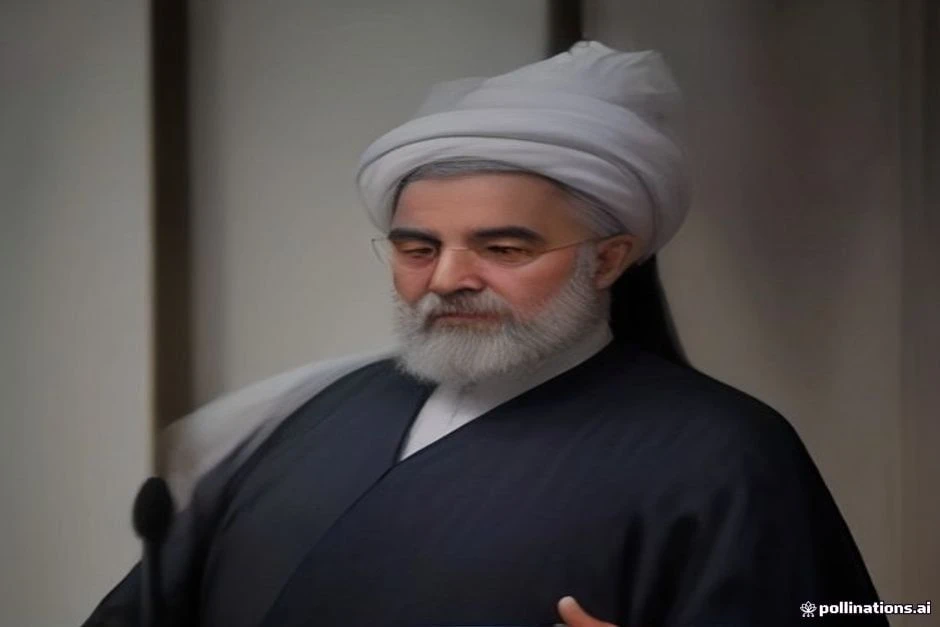
Iranian Foreign Minister Abbas Araghchi said Sunday that Tehran is prepared for fighting with the United States to resume — even if it leads to a “doomsday war” — while insisting Iran remains open to diplomacy with President Donald Trump. Araghchi also reiterated that Iran is willing to reopen the Strait of Hormuz as part of an agreement ending the conflict, but demanded that frozen Iranian assets be released and that Tehran be allowed to sell its oil. His remarks came after Trump told reporters on Saturday that a proposal to reopen the Strait of Hormuz and restart nuclear talks within seven days “would not be acceptable,” though he signaled openness to negotiations.nnIranian President Masoud Pezeshkian echoed the diplomatic overture, stating that Iran remains engaged in negotiations with the United States and is willing to discuss limits on its nuclear program. He maintained that Iran does not intend to develop nuclear weapons, but argued that Washington must first demonstrate it is not seeking to overthrow his government. Pezeshkian emphasized that deep distrust between Washington and Tehran remains a major obstacle to direct talks, underscoring the fragile nature of any potential dialogue.nnRegional tensions have spilled over into economic and aviation sectors. Treasury Secretary Scott Bessent noted that Turkey and Oman have halted incoming flights from private carrier Mahan Air, while the United Arab Emirates has stopped all flights by Iranian airlines. Dubai, a major destination for Iran’s carriers with multiple daily flights and a large Iranian community, has been particularly affected. Last week, Turkey revoked the license of Iran’s Bank Mellat, a semi-private financial entity long subject to Western sanctions. Additionally, Saudi authorities have informed schools to remain closed all week, according to messages seen by Agence France-Presse, reflecting heightened regional security concerns.nnAs both sides trade warnings and gestures, the path to de-escalation remains fraught. Iran’s willingness to negotiate is counterbalanced by its military readiness and demands for sanctions relief, while the U.S. insists on verifiable nuclear limits and freedom of navigation in the Strait of Hormuz. With regional allies curbing Iranian flights and financial ties, the coming days will
 Shimanta Das