House Republicans Clash with Senate Over Funding Plan as Shutdown Looms
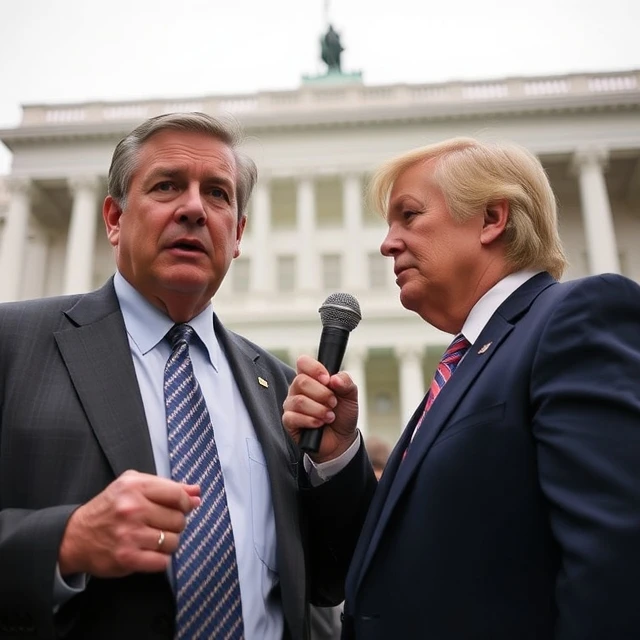
A standoff between House Republicans and the Senate over a short-term funding plan is intensifying, with disagreements over spending cuts and Ukraine aid threatening to trigger a government shutdown. Despite broad bipartisan majorities in both chambers supporting continued funding, the issue has become a central sticking point. Senate Majority Leader Chuck Schumer, D-N.Y., warned House Speaker Kevin McCarthy against allowing “a small band of very extreme members” to override the will of a bipartisan majority on assistance to Ukraine. The Senate’s plan includes aid for Ukraine, which many House Republicans oppose.
In an effort to bridge the divide, a group of Senate Republicans met Thursday morning with Senate Appropriations Committee Vice Chair Susan Collins, R-Maine, to explore attaching border security provisions to the Senate’s short-term funding bill. The goal is to win over House Republicans who are reluctant to support Ukraine aid. Senator Lindsey Graham, R-S.C., expressed optimism that tying a border security proposal to the bill would make it more palatable for House conservatives. However, it remains uncertain whether this strategy will garner enough support.
Meanwhile, House Republicans, led by new Speaker Mike Johnson, unveiled a standalone supplemental spending bill on Monday that provides aid only to Israel, omitting Ukraine. This move underscores the deep divisions within the GOP conference. With a 221-212 majority in the House, Republicans can afford few defections, while Democrats control the Senate 51-49. Senate Democratic Majority Leader Chuck Schumer dismissed the House proposal, telling reporters, “The bottom line is it’s not a serious proposal.” The funding dispute must be resolved by the Oct. 1 deadline to avoid a shutdown.
As the deadline approaches, pressure mounts on both sides to find a compromise. The Senate’s bipartisan approach includes Ukraine aid and border security measures, but House Republicans remain resistant. With Republicans needing at least seven Democratic votes in the Senate to advance their preferred plan, the path forward is unclear. The standoff highlights the broader challenges of governing in a divided Congress, where a small faction can wield significant influence. All eyes are on whether a last-minute deal can be reached to keep the government open.

 Shimanta Das