Government Shutdown Looms: How a Funding Gap Could Furlough a Million Federal Workers
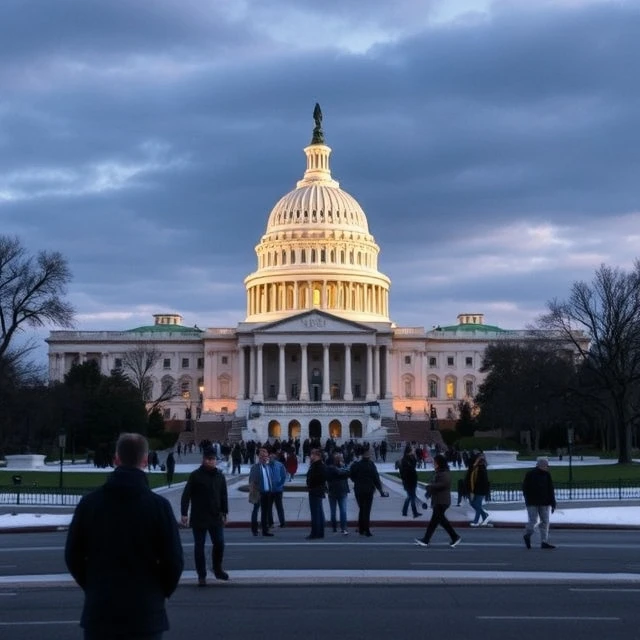
As Washington edges closer to a potential government shutdown, the fate of nearly 1 million federal workers hangs in the balance. A shutdown occurs when Congress fails to pass appropriations bills or a temporary Continuing Resolution (CR) to fund federal agencies, creating a “funding gap” that halts nonessential operations. This process is governed by the Antideficiency Act, which prohibits federal agencies from spending money they haven’t been appropriated. Historically, the Act didn’t always trigger shutdowns; that changed after Attorney General opinions in 1980 and 1981 interpreted the law as requiring nonessential operations to cease during funding lapses. A key provision also bans accepting “voluntary services,” meaning many employees cannot simply work without pay.nnWhen a shutdown happens, agencies must decide who is “essential” and who is not. Essential workers—those in roles critical to public safety, national security, and life-sustaining services—continue to work, though often without immediate pay. Nonessential employees are furloughed, meaning they are placed on temporary leave without pay. Federal contractors also face furloughs and are not guaranteed back pay. This distinction is crucial: while essential workers keep the government’s core functions running, hundreds of thousands of others are sent home, disrupting services from national parks to regulatory agencies. The merit-based civil service system, which has existed for over a century, ensures these decisions are based on job duties rather than political favoritism, as detailed by the Committee for a Responsible Federal Budget.nnThe political battles that lead to shutdowns often stem from broader policy disputes. For example, the Affordable Care Act (ACA), passed in 2010, became a major flashpoint. Contention over ACA subsidies and changes led to a government shutdown when Republicans passed a continuing resolution that set a deadline through the remainder of the fiscal year. The standoff drew condemnation from Democrats and pushback from Senate Majority Leader John Thune, highlighting how policy disagreements can escalate into funding crises. Such shutdowns not only furlough workers but also undermine public services and the stability of the federal workforce.nnAs the deadline approaches, the possibility of a shutdown remains a stark reminder of the consequences when Congress fails to fund the government. With 1 million federal workers
 Shimanta Das