DOJ Defends Trump’s White House Media Ban, Citing ‘Privilege’ and National Security
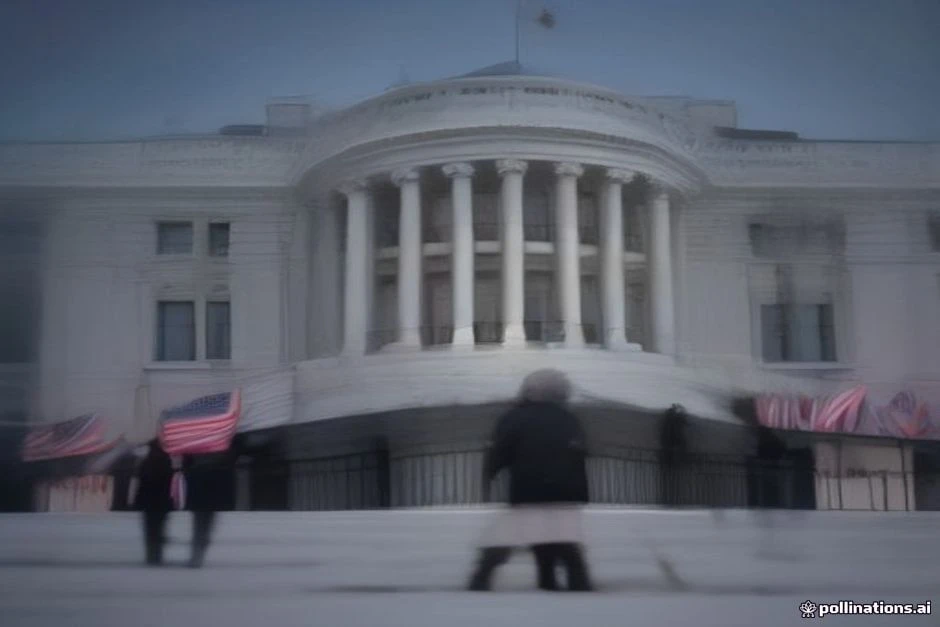
The U.S. Department of Justice has formally defended President Donald Trump’s decision to bar CNN, MS NOW, and Politico from White House grounds, arguing in a court filing that press access is a “privilege, not a right” and that the ban does not violate the First Amendment. In its Tuesday filing, the DOJ claimed Trump revoked access because he concluded the outlets “failed to maintain basic minimum standards of professionalism and decorum” and had published “sensitive or classified information.” The administration also doubled down on its characterization of their coverage as “Fake News.”
The filing further argued that the three news organizations “fail to satisfy the minimum requirements of professionalism” by relying on anonymous sources and not giving the White House sufficient time to comment. Justice Department lawyers insisted that access to the White House is a discretionary privilege granted by the president, not a constitutional right, and that national security concerns justified the extraordinary move. The dispute highlights the administration’s escalating war with the mainstream press.
However, a federal judge has since halted the ban, ruling that it was probably unconstitutional and ordering that access be restored. The judge’s decision underscores the legal peril of the administration’s position. As one observer noted, “There have been various presidents throughout history who have grumbled about the press or threatened to take more major steps, but really there was nothing at this level before Trump.” The case raises profound questions about freedom of the press and the limits of presidential power over media access.
With the ban temporarily blocked, the legal battle is likely to continue. The DOJ’s defense of the ban as a mere privilege conflicts with longstanding First Amendment protections, and the outcome could set a significant precedent for future administrations. As the nation watches, the judiciary’s role in safeguarding democratic norms and a free press remains critical.
 Shimanta Das