Colorado Judge Issues Protective Order in Trump Ballot Disqualification Case
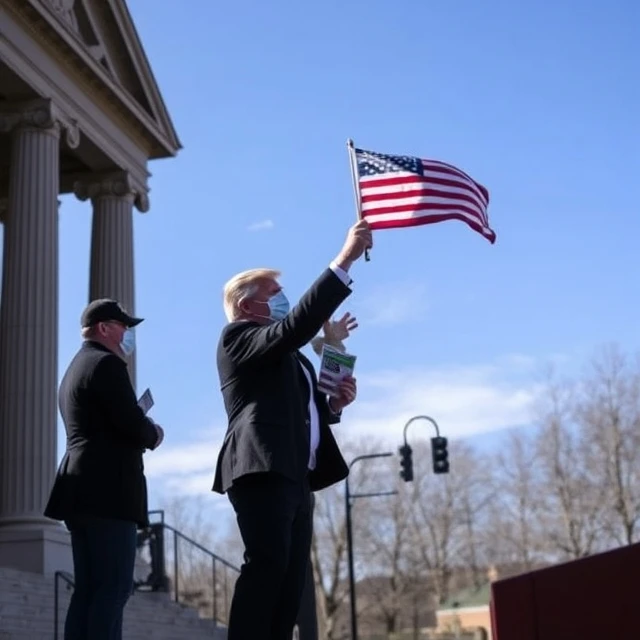
A Colorado judge has issued a protective order in the high-profile case seeking to disqualify former President Donald Trump from the state’s Republican presidential primary ballot. The lawsuit, filed by Republican and unaffiliated Colorado voters, challenges Trump’s eligibility under Section 3 of the 14th Amendment, which bars individuals who have engaged in insurrection from holding public office. The petitioners include four Republican voters, among them former state Senate Majority Leader Norma Anderson, the titular plaintiff, and former U.S. Representative Claudine Schneider. They seek an order blocking Colorado Secretary of State Jena Griswold from allowing Trump on the 2024 Republican primary ballot and any future primary or general election ballot.
The protective order, issued to govern the handling of sensitive information during the proceedings, comes as the case advances toward a trial. Legal experts note that the lawsuit raises complex constitutional questions. According to legal scholars William Baude and Michael Stokes Paulsen, states have a legal obligation and precedent to remove Trump from primary ballots under Article Two of the Constitution, which establishes presidential eligibility requirements. However, a majority of the court in a related case also ruled that Section 3 is non-justiciable, meaning only Congress can enforce it—a position that could impact the Colorado proceedings.
The case has drawn national attention, with similar challenges filed in other states. In a separate but related matter, a ruling that the Amnesty Act applies to Section 3 was reversed on appeal in May 2022 after then-Representative Madison Cawthorn had already lost his primary. This reversal could influence how the Colorado court interprets the Amnesty Act’s applicability to Trump. The protective order aims to ensure a fair process while safeguarding the integrity of the evidence and arguments presented.
As the case moves forward, the judge’s protective order will shape the discovery phase and the eventual trial. The outcome could have significant implications for the 2024 presidential election, potentially setting a precedent for how states handle constitutional challenges to candidates’ eligibility. With the protective order in place, both parties are expected to proceed with heightened scrutiny, and the nation will be watching closely as the Colorado court weighs the constitutional arguments.
 Shimanta Das