
Boris Johnson: From Brussels Bylines to Downing Street and Beyond
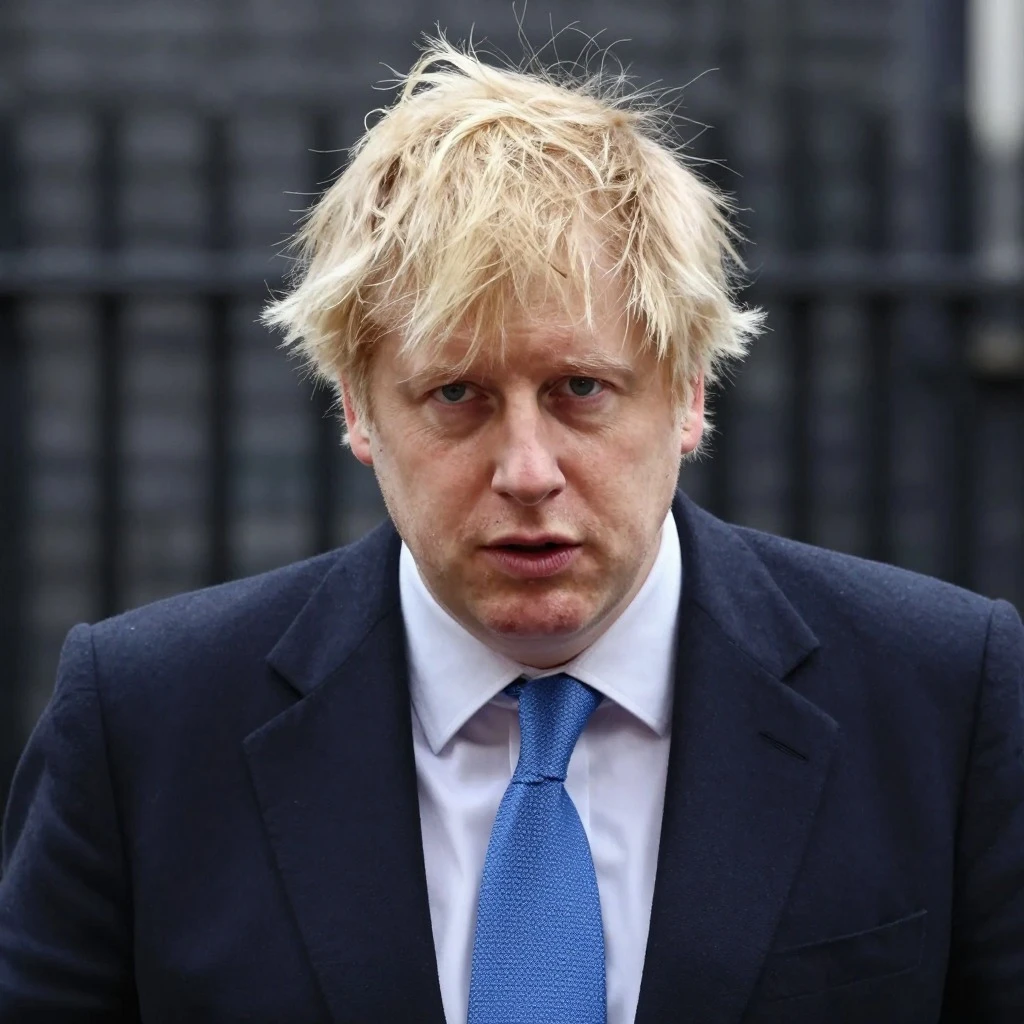
Boris Johnson’s political journey is a story of remarkable highs and controversial lows. Born in New York and educated at Eton and Oxford, he began his career in journalism, joining The Daily Telegraph in 1989 as its Brussels correspondent. There, he gained notoriety for articles that many fellow journalists criticised as containing lies designed to discredit the European Commission. This style would later define his political persona. In 2015, he was elected Conservative MP for Uxbridge and South Ruislip, and by July 2016, he was appointed Foreign Secretary. However, his tenure was cut short in July 2018 when he resigned.
Johnson’s ascent to the premiership came in July 2019, when he became Prime Minister. His time in office was dominated by Brexit, the COVID-19 pandemic, and a series of political scandals. He led the Conservative Party to a landslide victory in the 2019 general election, but his leadership was ultimately undone by controversies, including the Partygate affair. He resigned as Prime Minister in September 2022, though he remained an MP until June 2023.
In June 2023, Johnson received the draft findings of the Commons Privileges Committee investigation into his conduct. The committee unanimously concluded that he had lied to the Commons on numerous occasions, a damning verdict that led to his resignation as an MP. This marked the end of his parliamentary career, but not his public presence. His legacy remains deeply polarised, reflecting both his electoral success and his ethical controversies.
From his early days in Brussels to his turbulent time in Downing Street, Boris Johnson has left an indelible mark on British politics. His story serves as a reminder of the complexities of leadership and the enduring impact of personal conduct on public life.

 Shimanta Das