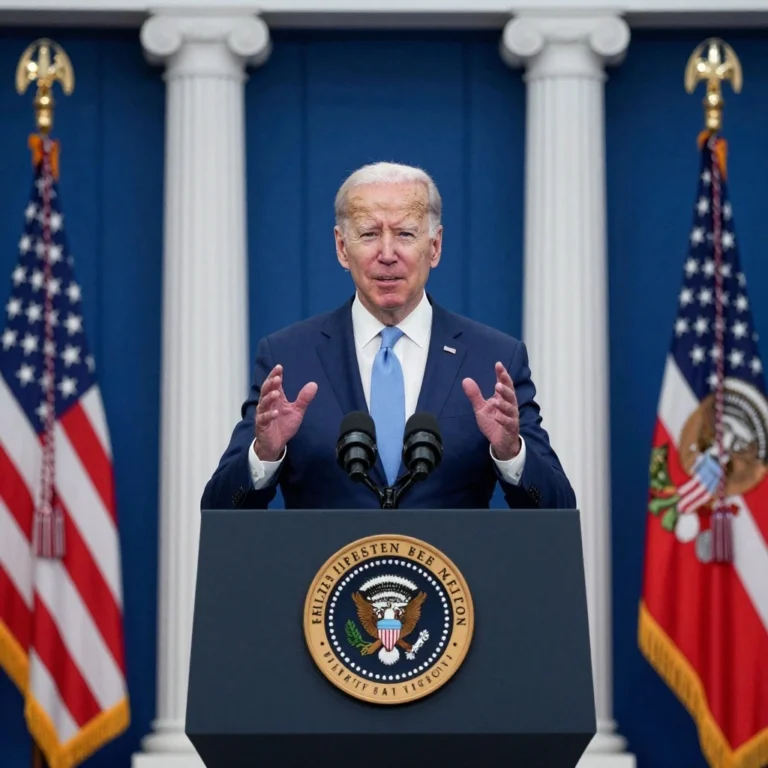
Biden at U.N. General Assembly: Confronting a World of Interlocking Crises
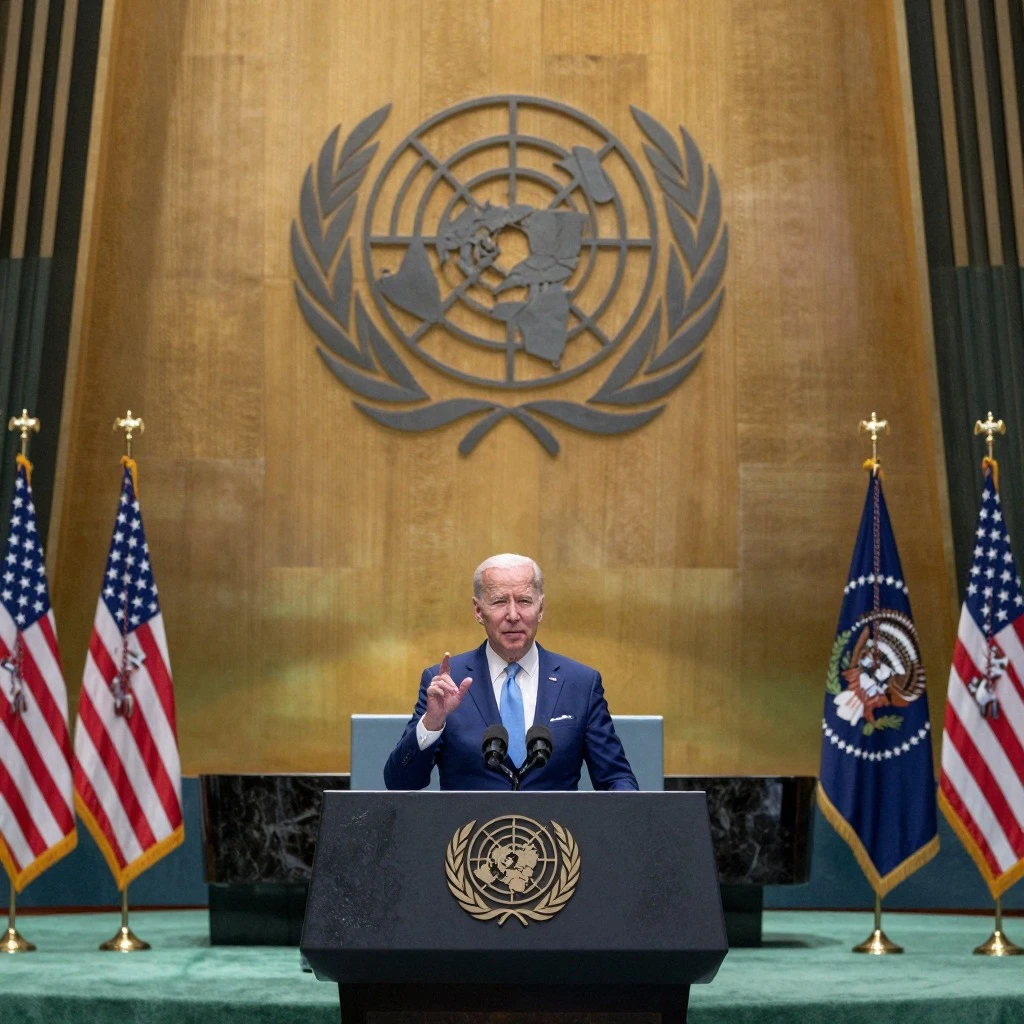
President Joe Biden heads to the United Nations General Assembly this week at a critical juncture in global affairs, with his address expected to touch on a range of pressing issues from climate change to geopolitical tensions. The annual gathering of world leaders comes as the international community grapples with the ongoing pandemic, rising nuclear threats, and persistent conflicts. Biden’s speech will emphasize the urgent need for collective action to combat climate change, calling for diplomatic solutions to conflicts and underscoring the role of international institutions in maintaining global peace and security. As one official noted, “Russia has shamelessly violated the core tenets of the United Nations Charter — no more important than the clear prohibition against countries taking the territory of their neighbor by force.” The coming days of the UNGA are expected to see further discussions and negotiations on these key issues.
Beyond the President’s address, the General Assembly will host a series of major meetings focused on practical solutions to global challenges. With less than five years remaining to achieve the Sustainable Development Goals, the meeting will focus not only on assessing progress but also on highlighting practical solutions that can be expanded and replicated elsewhere. The pandemic demonstrated how quickly a local outbreak can become a global emergency and exposed major inequalities in access to vaccines, medicines and other essential resources. These discussions aim to address such disparities and build a more resilient and equitable world.
Another major meeting on 23 September will mark the 40th anniversary of the Declaration on the Right to Development, adopted by the General Assembly in 1986. The anniversary provides an opportunity to assess progress and examine why discrimination remains a persistent challenge in many parts of the world. Rights, equality and inclusion will be central themes, as leaders reflect on the declaration’s legacy and the work that remains to ensure development benefits all.
The series of major meetings concludes on 29 September with a high-level plenary meeting marking the International Day for the Total Elimination of Nuclear Weapons. Campaigners in New York have called for a ban on nuclear weapons, and the meeting will keep nuclear disarmament on the agenda. As the world faces multiple crises, the UNGA serves as a vital platform for dialogue and cooperation, with Biden’s address setting the tone for the days ahead.
 Shimanta Das