Afghan Families Demand Justice: The Fight for Drone Strike Compensation and Accountability
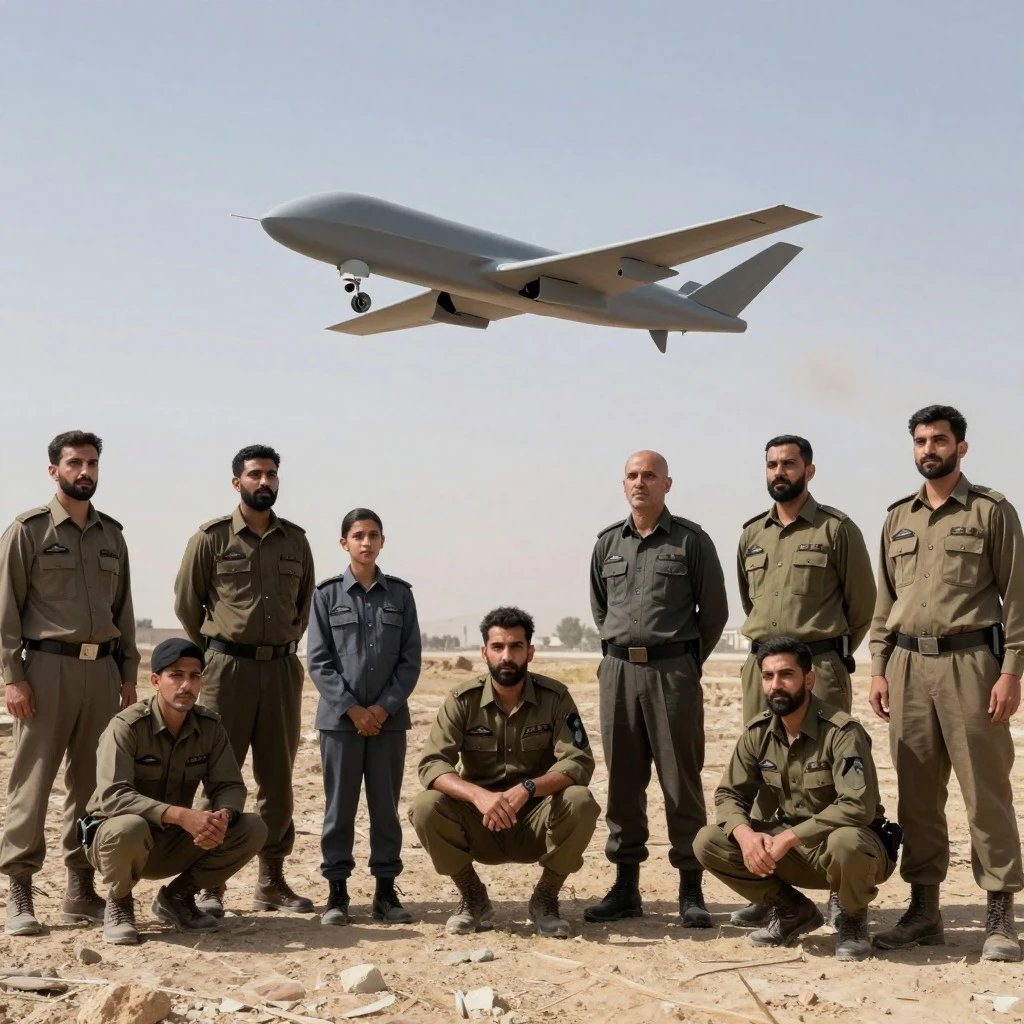
The use of drone strikes has become a cornerstone of modern warfare, particularly for international forces like the United States and NATO. While effective in targeting terrorist organizations such as the Taliban and al-Qaeda, these strikes have also resulted in significant civilian casualties. In Afghanistan, families of drone strike victims are now seeking compensation and accountability, highlighting the complex legal and ethical challenges surrounding this controversial tactic.
The drone campaign in Afghanistan, especially in provinces like Helmand and Khost, led to numerous civilian deaths. In the absence of a robust domestic legal framework—weakened by decades of conflict—victims’ families face immense hurdles in obtaining justice. International law, including provisions on human rights and humanitarian law, offers some recourse, but enforcement is often inconsistent. Additionally, Islamic law (Sharia) plays a significant role in personal injury and wrongful death claims, providing a parallel legal avenue that many Afghans turn to for restitution.
One of the most infamous incidents was the August 2021 Kabul drone strike, which occurred during the chaotic U.S.-led evacuation from Afghanistan. The strike, part of the broader War in Afghanistan (2001–2021) and the 2021 Afghanistan attacks, killed multiple civilians, including children. This tragedy underscored the urgent need for greater transparency and accountability in drone operations. Families of the victims have since demanded compensation, but progress has been slow, with legal and political obstacles complicating their pursuit of justice.
As the international community grapples with the legacy of drone warfare, the plight of Afghan families serves as a poignant reminder of the human cost. Their quest for compensation and accountability not only seeks redress for individual losses but also challenges the impunity that often accompanies remote warfare. Without meaningful reforms, the cycle of civilian harm and unresolved grievances is likely to persist, undermining efforts for lasting peace and reconciliation in the region.

 Shimanta Das