Economy and Cost of Living Drive Voters to the Polls
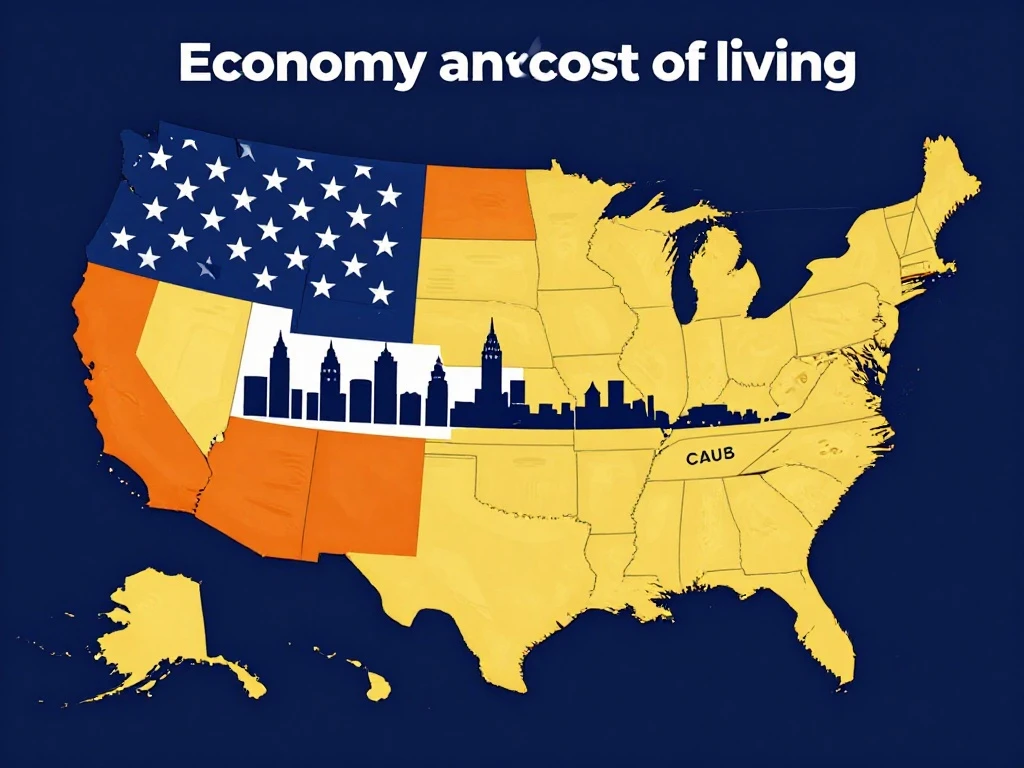
As the United States approaches the midterm elections on November 3, the rising cost of living has emerged as a dominant concern for voters, according to recent polls and interviews with thousands of Americans. A Reuters-Ipsos poll found that 50% of registered voters considered the cost of living the single most important factor influencing their vote. This sentiment is echoed across the political spectrum, with the economy and inflation topping the list of issues that will drive people to the polls.
Economic data underscores the financial strain many households are feeling. Inflation-adjusted disposable income remained flat in August, even as inflation-adjusted consumer spending increased by 0.1%. This means that despite spending more, Americans are not seeing their incomes grow in real terms. Housing costs remain another significant concern, with many families struggling to keep up with rent and mortgage payments. Healthcare costs are also a major source of financial pressure, as households grapple with insurance premiums, deductibles, and medical bills. These pocketbook issues are clearly weighing on voters’ minds as they prepare to cast their ballots.
The importance of the economy in this election cycle is further highlighted by a Pew Research Center survey, which found that 84 percent of voters said the economy was a very important issue heading into the election. While the AI investment boom has driven significant gains in the stock market and created investment opportunities for some, the benefits have not translated into broad-based economic security for most Americans. The disconnect between Wall Street’s performance and Main Street’s experience is a key theme in voter conversations, as many feel left behind by the recovery.
With the midterms just around the corner, it is clear that the cost of living and the economy will be decisive factors for many voters. As data show higher prices eroding incomes, candidates on both sides are focusing their messages on economic relief and financial security. The outcome of the election may well hinge on how effectively they address these concerns and convince voters that they have a plan to ease the burden on American families.
 Shimanta Das