Rising Extreme Weather Damage Drives Higher Home Repair and Insurance Costs Across the U.S.
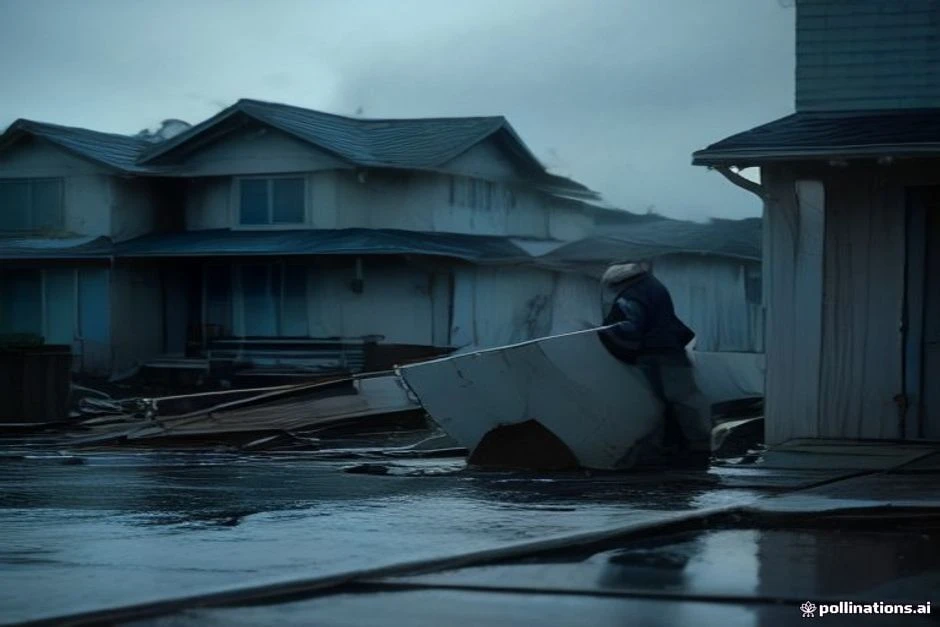
The escalating frequency and severity of extreme weather events are reshaping the financial landscape of homeownership in the United States. According to reinsurer Munich Re, insured losses from such storms have exceeded $42 billion for three years running, a figure significantly higher than the 10-year average. This surge in damages is directly translating into higher home repair costs and insurance premiums for families nationwide. As climate change intensifies, the stability that once characterized the home insurance market is eroding, leaving homeowners and insurers grappling with a new reality.
Florida stands out as the most expensive state for homeowners insurance, with average premiums set to approach $8,500, more than double the national average. Yet even in states like California, which has been hit especially hard, the situation is dire: seven out of 12 major carriers have left or reduced coverage since 2022, according to the California Public Policy Institute. Both Florida and California have seen major insurers withdraw from the market or decline to write new policies, driven by the rising severity of all perils, which has reached its highest level in seven years. Spencer Glendon, an executive fellow at Harvard Business School, notes that Earth’s climate remained relatively stable for a very long time, meaning home insurance didn’t need to change. Now, that stability is gone, and the industry is struggling to adapt.
The Senate Budget Committee has highlighted that “climate change has become a major cost-of-living issue for families across the country.” The number of weather events producing significant damage is also rising, compounding the financial strain. While insurers can explore alternative strategies like loss prevention and mitigation to maintain market viability in regions prone to extreme weather, broader action is needed. Adhering to the Federal Emergency Management Agency’s hazard-resistant building codes for existing structures could reduce losses significantly. As extreme weather continues to escalate, proactive measures and policy interventions will be essential to keep homeownership affordable and insurable in the face of a changing climate.

 Shimanta Das