White House Media Pool Boycott Continues Over CNN Access Dispute
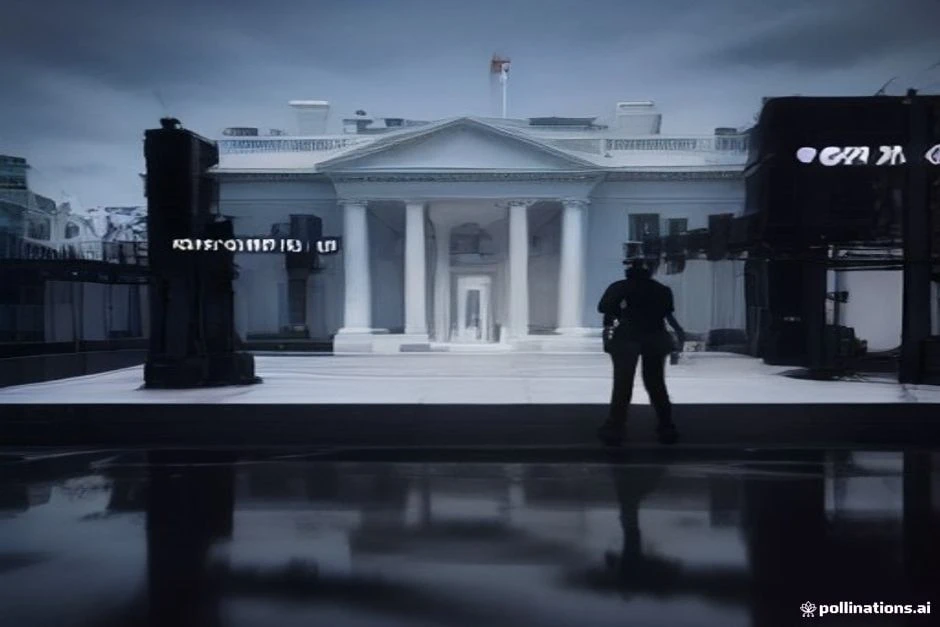
The standoff between the White House and major television networks over CNN’s exclusion from the presidential press pool shows no signs of resolution, as the remaining four broadcasters continue to refuse to replace CNN’s crew. The dispute began Monday when the Trump administration barred CNN from fulfilling its assigned duties in the rotating pool system, prompting the other networks—ABC, CBS, NBC, and Fox News—to decline to participate in solidarity. As of now, all systems are go, according to a person familiar with the pool, but the situation remains fluid, leaving the traditional television pool without a replacement for CNN.
The White House’s Sunday night press schedule did not list any television network as the primary TV pool for Monday, further complicating the matter. In the long-standing pool arrangement, a single TV crew provides video and audio coverage that is shared with other news organizations, a system that is especially critical when space restrictions prevent every outlet from sending its own crew. The “secondary” TV crew typically attends pool events and can question the president, but it does not perform the primary pool’s duties. CNN’s exclusion is therefore consequential beyond its own newsroom, as it disrupts a system that has remained mostly unchanged for decades and ensures broad access to presidential coverage.
At the heart of the dispute is whether a member selected by the White House can be excluded from its assigned duties, and whether the remaining networks are obliged to fill in. The pool, which includes five major US broadcasters that take turns filming and sharing video, had stopped working after the other four outlets refused to participate in solidarity with CNN. The boycott underscores a rare moment of unity among typically competitive networks, highlighting concerns over press freedom and the potential precedent set by punishing a news organization for its coverage.
As the case plays out, the future of pooled coverage of the president remains uncertain. With no replacement for CNN, the traditional television pool is effectively sidelined, raising questions about how the White House will manage media access in the interim. The standoff continues to draw attention to the delicate balance between government control and independent journalism, with the networks holding firm in their support for CNN. The outcome could have lasting implications for how presidential news is covered and shared, not just for CNN but for the entire press corps.
 Shimanta Das