Biden’s Dual Offensive: Vaccination Mandates and Climate Action on the Global Stage
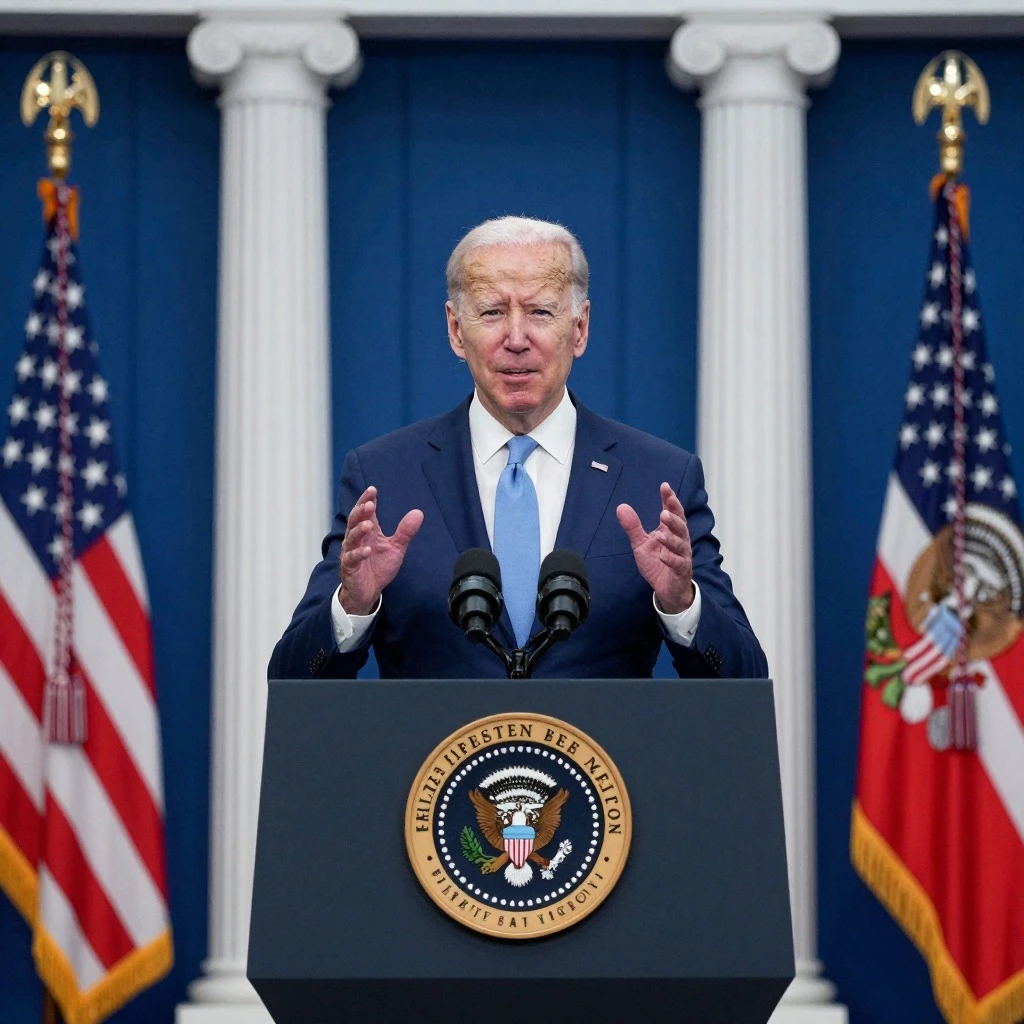
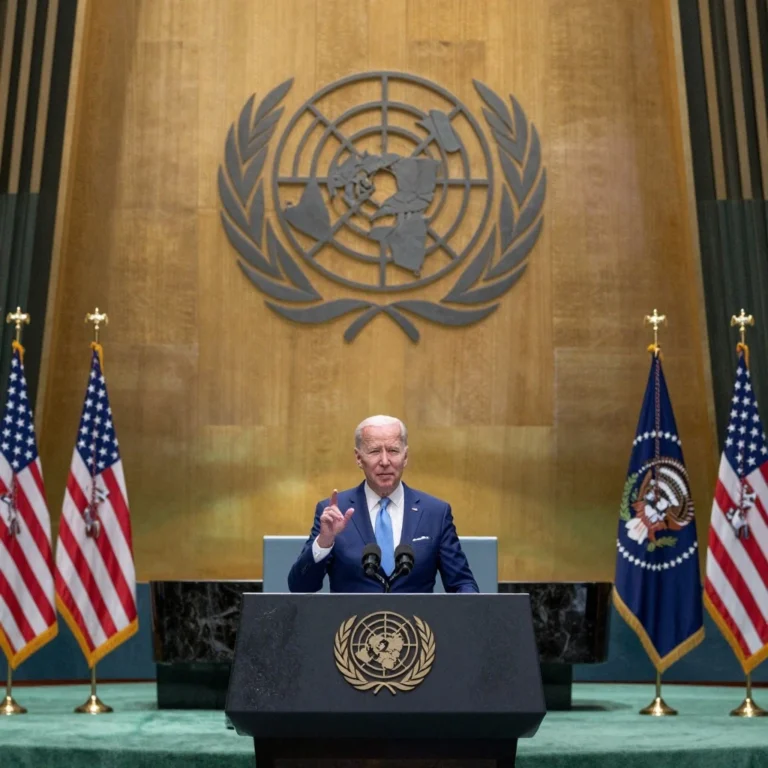
In a concerted effort to combat the COVID-19 pandemic, President Biden unveiled a comprehensive plan with three major components aimed at increasing vaccination levels among American workers. The strategy included a requirement that federal contractors have fully vaccinated personnel, that recipients of Medicare and Medicaid dollars (CMS entities) have fully vaccinated personnel, and a Temporary Emergency Standard by the Occupational Safety and Health Administration (OSHA) requiring that all businesses with more than 100 employees have their employees either vaccinated or tested for COVID-19 on a weekly basis. These measures were designed to curb the spread of the virus and reduce hospitalizations and deaths.
Despite legal challenges, the impact of these mandates was significant. Other courts stayed the mandates for federal contractors and federal employees, but a substantial majority of persons in those positions were vaccinated while those mandates were in effect. As of August 2022, the OSHA mandate remained stayed nationwide by the Fifth Circuit. Nevertheless, a substantial majority of federal employees were vaccinated pursuant to the order without objection and prior to the court action. Employers were also required to maintain records of employee vaccination status, ensuring accountability and facilitating tracking of compliance.
Beyond mandates, the administration leveraged accessible venues like pharmacies to boost vaccination rates. Recognizing that pharmacies are readily accessible in the majority of communities in the U.S., the federal government made them a key part of its COVID-19 vaccination strategy, partnering with 21 retail and long-term care pharmacies to vaccinate Americans in more than 41,000 locations nationwide. Additionally, the Department of Housing and Urban Development (HUD) collaborated with the Department of Health and Human Services (HHS) to provide tests across major U.S. cities, further strengthening the response.
Community Health Centers played a vital role in ensuring an equitable response, serving as the single largest source of comprehensive primary health care for medically underserved urban and rural communities. These vaccines remain the best tools available to lower the risk of hospitalization and death, underscoring the importance of continued efforts to make them accessible to all.
 Shimanta Das