Zandvoort’s Final Lap: Why the Dutch Grand Prix Bids Farewell to F1 in 2026
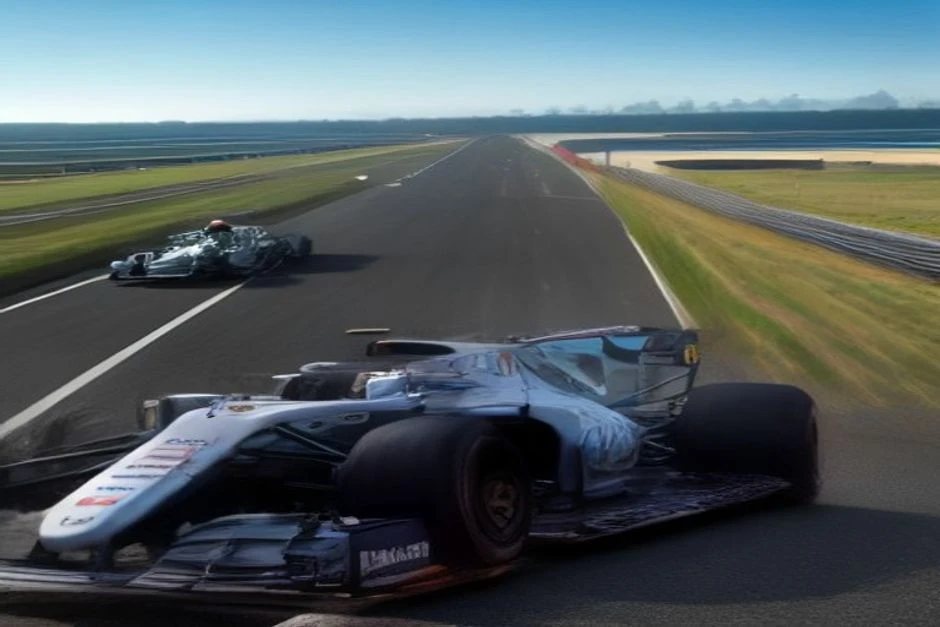
The roar of Formula 1 engines will echo through the dunes of Zandvoort for the last time in 2026. After a triumphant return in 2021, the Dutch Grand Prix is set to conclude its six-year run, marking the end of an era that saw Max Verstappen’s home race become a global phenomenon. The announcement, made on Wednesday, confirmed that the contract, set to expire after next season, would be extended by one year, but that 2026 will be the final edition. This decision comes as F1 seeks new venues, leaving fans and organizers alike to reflect on a period that transformed the small coastal town into a vibrant hub of motorsport celebration.
The story of Zandvoort’s F1 journey is one of revival and triumph. After the circuit bid farewell to the championship in 1985, it fell into disrepair, and the once-proud venue faded from the spotlight. For decades, it seemed the golden era was a distant memory. However, the rise of Max Verstappen, a Dutch world champion, reignited national passion for the sport, paving the way for a spectacular comeback. Since 2021, the Dutch Grand Prix has been a standout event, known for its electric atmosphere and the iconic ‘orange wave’ of fans who flock to the circuit to cheer on their hero. The race has even inspired similar fanfare at other venues, yet its unique charm and logistical challenges have ultimately led to its exit.
One of the key factors behind the decision is the immense logistical strain that the event places on the region. Zandvoort, a small coastal village, becomes overwhelmed during race weekend, with thousands of fans descending upon it. While travel from Amsterdam is straightforward by train or car, the influx of visitors transforms the area into a chaotic but festive scene. Organizers have worked tirelessly to manage the crowds, but the infrastructure is stretched to its limits. Moreover, as F1 expands its global footprint, the calendar is becoming increasingly crowded, and Zandvoort’s location and facilities no longer align with the sport’s long-term strategic goals. The decision, though disappointing for Dutch fans, is part of a broader evolution in F1’s quest for new markets and sustainable growth.
<p
 Shimanta Das