Trump and Xi Jinping to Meet at White House: AI Takes Center Stage in High-Stakes Summit
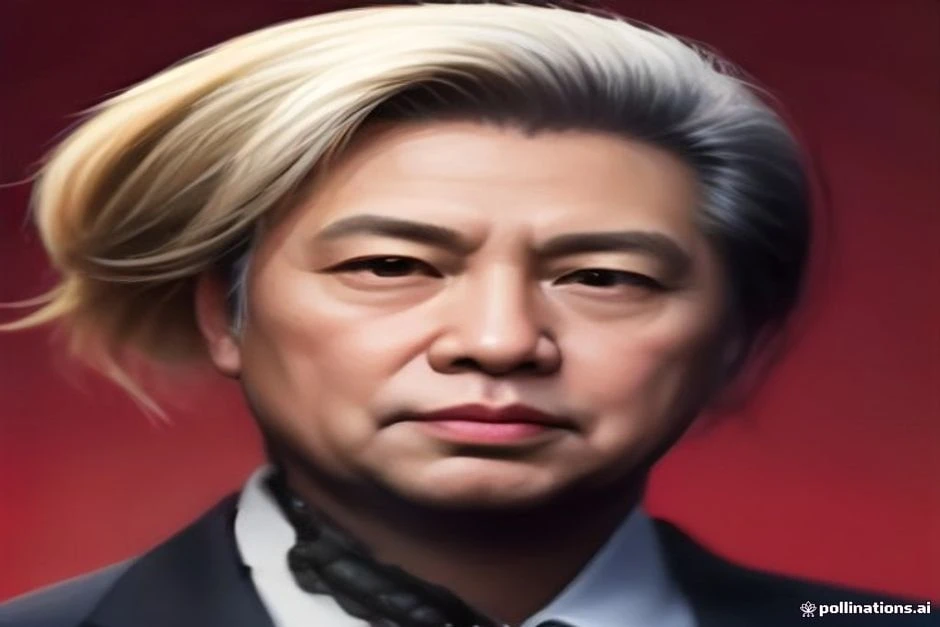
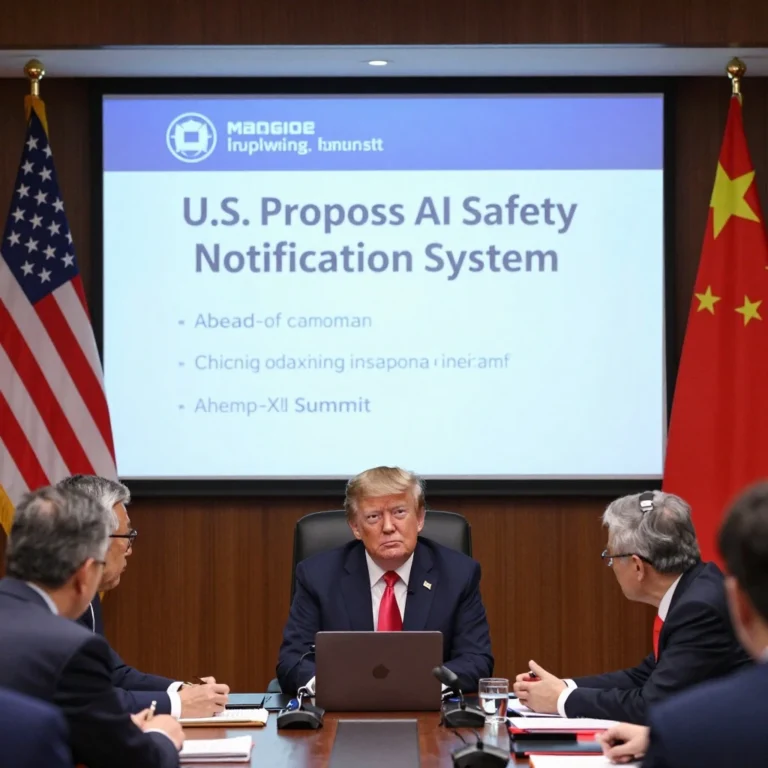
US President Donald Trump is set to meet with Chinese President Xi Jinping at the White House on Thursday, September 24, in a highly anticipated summit where artificial intelligence (AI) is expected to be a key topic of discussion. The meeting comes amid escalating economic rivalry between the world’s two largest economies, with both superpowers viewing AI as the new focal point of their competition. The talks are expected to cover a range of critical issues, including trade, tariffs, rare earth minerals, and Taiwan, but AI will be high on the agenda as both nations seek to assert dominance in the rapidly evolving technological landscape.
The summit will also see the participation of several major technology and business executives at a state dinner, including Jeff Bezos, Elon Musk, Sundar Pichai, Jensen Huang, Sam Altman, Michael Dell, Jane Fraser, and Tim Cook. Their presence underscores the importance of the tech industry in shaping US-China relations, particularly in the realm of AI. Trade discussions may focus on extending the current tariff truce, but rare earth minerals and critical minerals remain a major sticking point. China’s dominant role in the global refining and processing of many rare earth materials makes supply security a crucial concern for technology and manufacturing industries, adding another layer of complexity to the negotiations.
As both nations vie for AI supremacy, the outcome of this meeting could have far-reaching implications for global tech policy, trade, and innovation. The White House summit is expected to set the tone for future cooperation or confrontation in the AI sector, with both leaders keen to protect their respective national interests. While the official agenda has not been fully disclosed, the presence of top tech CEOs signals that AI and related technologies will be central to the discussions. The world will be watching closely as Trump and Xi navigate these high-stakes talks, which could shape the future of the global economy and technological landscape.

 Shimanta Das