Paraguay in Crisis: President Santiago Peña Resigns After Ueno Bank Collapse
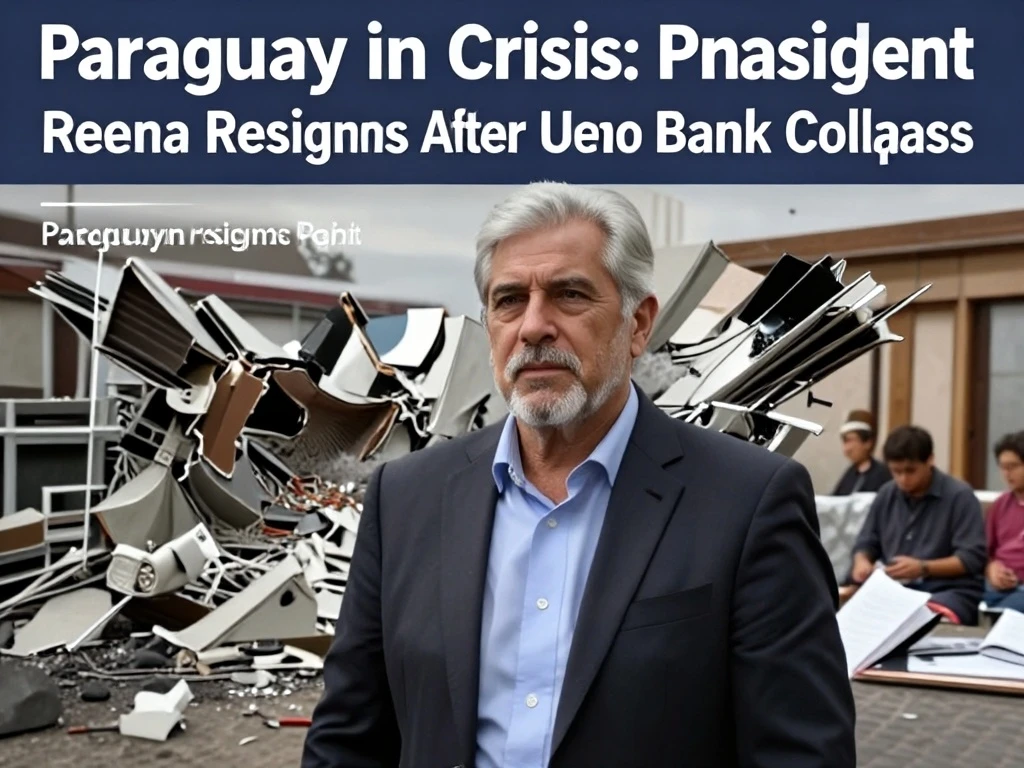
Paraguayan President Santiago Peña resigned on Thursday, plunging the country into political and financial turmoil after the collapse of digital lender Ueno triggered a crisis that froze access to millions of accounts and rattled investor confidence in one of South America’s most stable economies. Peña, who had been in office since 2023, stepped down hours before lawmakers moved ahead with impeachment proceedings, after losing support within his own conservative Colorado Party. His resignation came as protests rocked the capital for a third day over the bank’s failure, which has left millions unable to access their savings.nnThe crisis stems from the collapse of Ueno Bank, a rebranded version of a decades-old finance company that had lured customers with generous cash-back offers on groceries, grown to more than 70 locations, sponsored Paraguay’s national soccer team, and plastered its name on the country’s main stadium. The digital lender’s failure has not only frozen accounts but also raised questions about regulatory oversight and the bank’s ties to the government. As part of a resolution to address the collapse, Paraguay’s central bank voted to transfer Ueno’s remaining funds to other financial institutions, but the move has done little to calm public anger.nnIn a video message on social media, Peña said he would appear before Senate impeachment proceedings to “exercise my right to a defense.” He also issued an apology: “I want to apologise to the people if at any point I failed. It was never my intention to betray the trust you placed in me.” The president’s decision to resign rather than face certain removal underscores the severity of the crisis and the rapid erosion of his political support. His departure marks a stunning fall for a leader who had positioned Paraguay as a reliable and business-friendly partner in the region.nnThe Ueno collapse has exposed vulnerabilities in Paraguay’s financial system and raised concerns about the intersection of politics and banking. With millions of customers still unable to access their accounts, the government faces the urgent task of restoring confidence and ensuring that the transfer of funds proceeds smoothly. The crisis also threatens to undermine Paraguay’s reputation for economic stability, which has been a cornerstone of its appeal to foreign investors. As the country grapples with the fallout, the resignation of Peña serves as a stark reminder of the political consequences when financial

 Shimanta Das