
Strait of Hormuz: The Chokepoint at the Heart of US-Iran Tensions
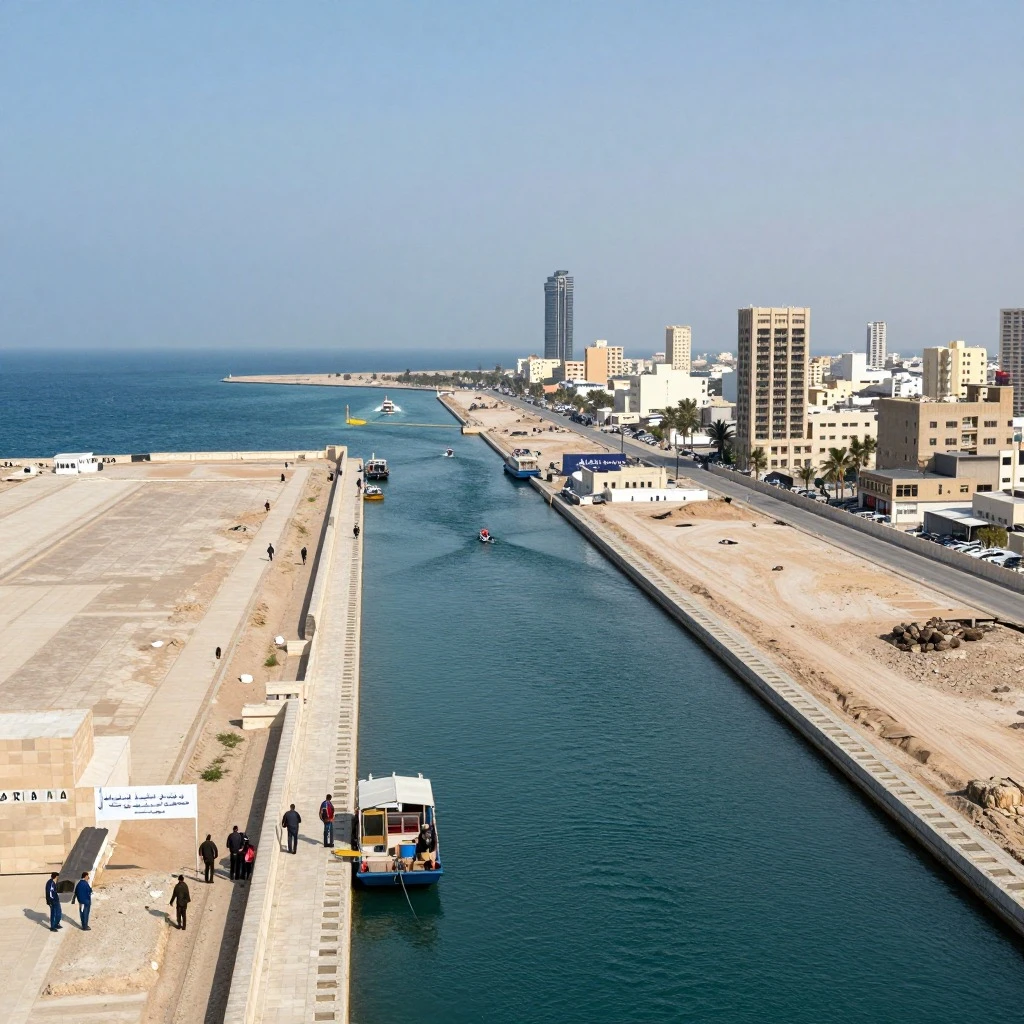
The Strait of Hormuz has become a critical flashpoint in the ongoing conflict between the United States and Iran, with global oil markets on edge. Traders fear that a prolonged pipeline shutdown could disrupt as much as 4% of global oil supplies, as the strait remains largely blockaded by Iran. For Iran’s leadership, the waterway serves as a vital means of leverage, allowing Tehran to exert pressure on Washington and its allies. Meanwhile, Iran continues to export its own oil, primarily to China, underscoring the complex economic dynamics at play.
Diplomatic efforts to ease tensions are underway. Tehran and Muscat have been negotiating for weeks on a mechanism to regulate shipping traffic through the strait, a key artery for the global oil, gas, and fertilizer trade. Talks were due to take place in Oman, with the Strait of Hormuz among the key issues on the agenda. On 18 June, primary mediator Pakistan announced that a US-Iran memorandum of understanding aimed at ending the war implies Tehran will promptly reopen the Hormuz Strait and that the American blockade of Iranian ports will cease immediately. However, the situation remains fragile, and increased oil flow depends on a major US commitment.
In a related development, responding to the Houthi offensive, Saudi and Yemeni air forces have stepped up aerial bombardment of Houthi targets, including around the historic Red Sea port of Mocha. Despite these strikes, the rebels have maintained effective control over almost the entire western coast of Yemen along the Red Sea. This parallel conflict adds another layer of instability to a region already fraught with tension.
Analysts remain skeptical about the prospects for a lasting resolution. “Washington’s main problem is that it still lacks a theory of victory: More ships are getting through, and Iran is hurting, yet none of that has produced a political outcome,” said Ali Vaez, an Iran expert at the International Crisis Group. As one official noted, “We remain committed to fostering dialogue that supports stability and lasting cooperation in our region.” The coming weeks will be crucial in determining whether diplomacy can prevent a broader conflagration.

 Shimanta Das