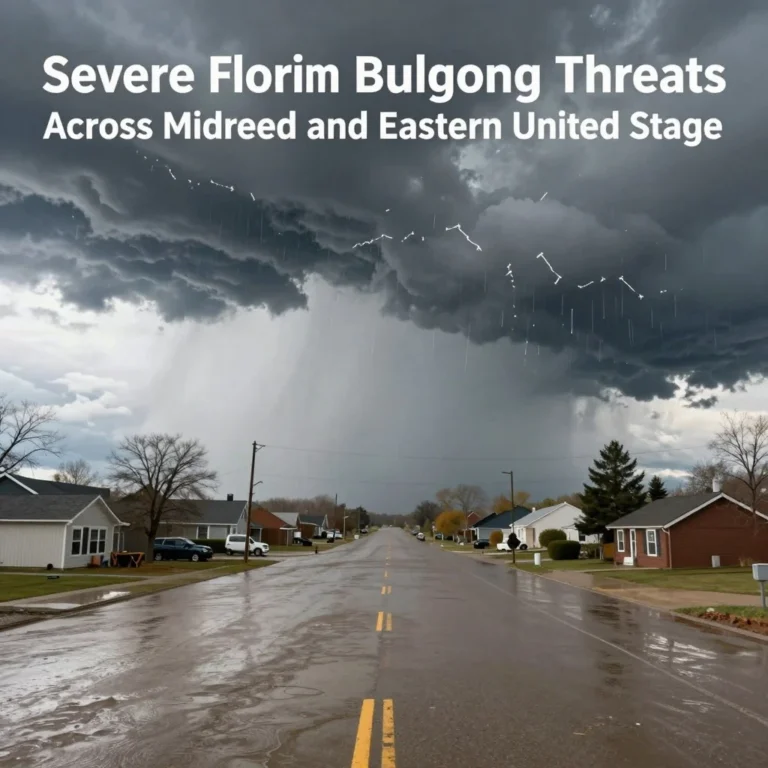
Severe Thunderstorms Bring Damaging Winds, Hail and Tornado Risk
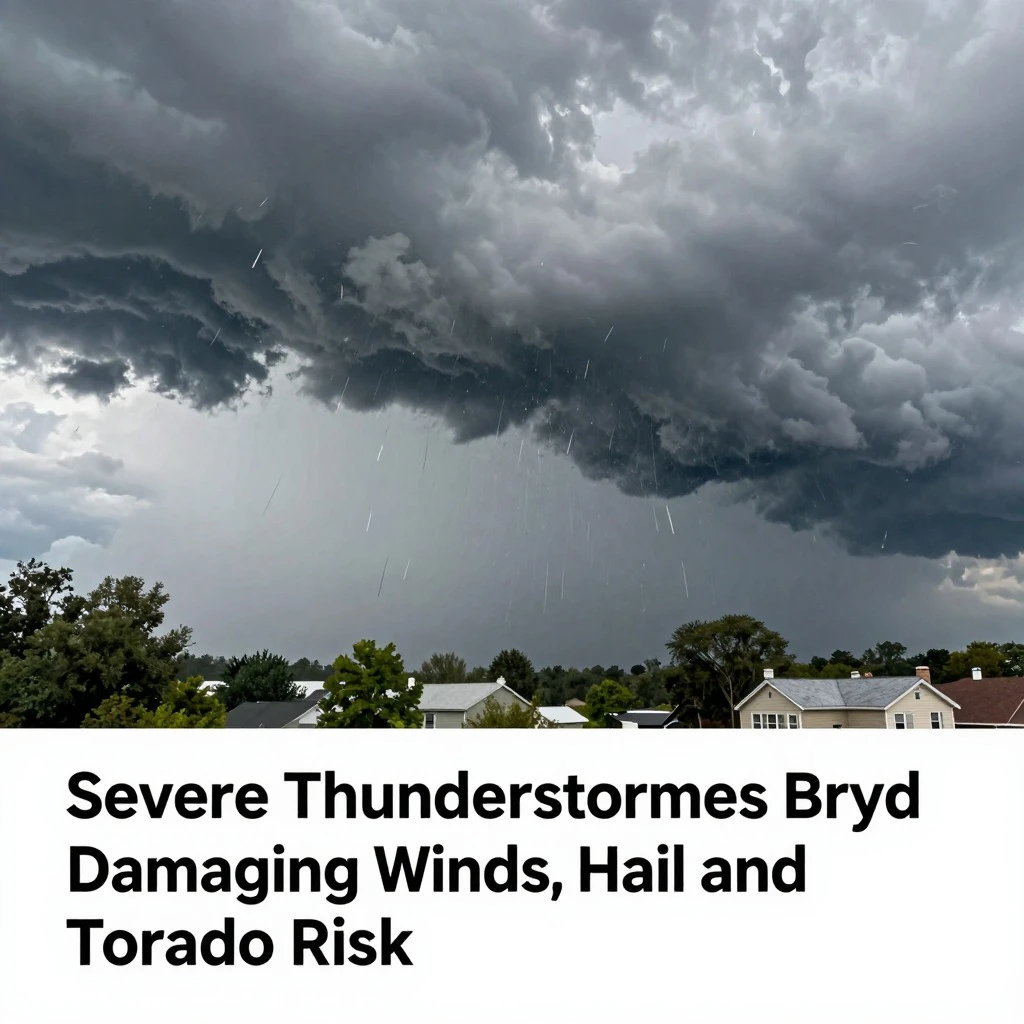
Severe thunderstorms are officially defined as storms that are capable of producing hail that is an inch or larger or wind gusts over 58 mph. These storms are common and can be dangerous, bringing intense wind, flash flooding, hail, and dangerous lightning. As a line of severe thunderstorms develops, the primary threats often include damaging winds up to 70 mph and large hail. Such hazards can cause significant damage to property, including plants, roofs, and vehicles, and strong winds can break off large branches, knock over trees, or cause structural damage.
nn
In a recent severe weather event, forecasters warned that as storms form a more consolidated line along the I-78 and PA Turnpike in Central PA, the threat would shift to mainly damaging winds. The main concern remained damaging winds up to 70 mph, with hail and a very isolated (unlikely) tornado possible closest to Area A. Very large hail and damaging wind gusts were the primary hazards, and an isolated brief tornado could also occur. Residents in the affected areas were urged to stay alert and prepared for rapidly changing conditions.
nn
The National Weather Service emphasizes that severe thunderstorms can produce life-threatening conditions. Hail an inch or larger can dent vehicles, shatter windows, and cause severe crop damage. Wind gusts over 58 mph are strong enough to down power lines and trees, leading to power outages and blocked roads. Flash flooding from heavy rain is another serious risk, as water can quickly rise and sweep away vehicles or inundate low-lying areas. Dangerous lightning is a constant threat, striking people and property without warning.
nn
To stay safe during severe thunderstorms, it is crucial to have a reliable way to receive warnings, such as a NOAA weather radio or a smartphone alert app. When a severe thunderstorm warning is issued, seek shelter immediately in a sturdy building, away from windows. Avoid using electrical appliances and plumbing. If you are caught outdoors, find a low-lying area and crouch down, but be aware of the risk of flash flooding. After the storm passes, check for damage and report any downed power lines to the authorities. By understanding the
 Shimanta Das