Navigating Cryptocurrency Trading in the United States: A Guide to Exchanges and Regulations
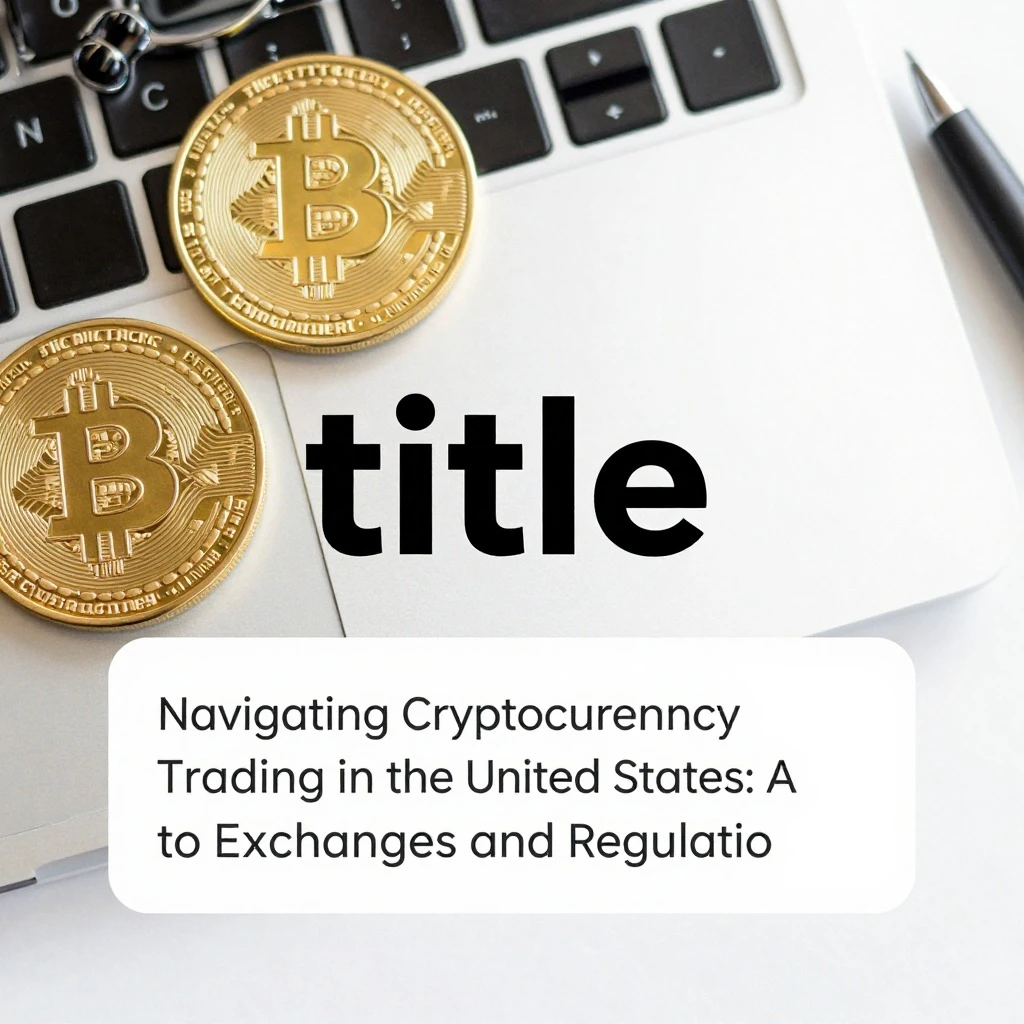
Cryptocurrency trading in the United States is a dynamic landscape shaped by regulatory oversight and a diverse range of exchanges. For US-based traders, choosing the right platform is crucial, and options like Kraken stand out for their extensive reach and robust features. Kraken operates in 47 states, with notable exceptions: New York, Washington, and Maine residents can’t sign up. This limitation highlights the patchwork of state regulations, particularly in New York, which has its own licensing framework. Kraken holds a FinCEN-registered MSB, state money transmitter licenses, and even a Wyoming SPDI bank charter, underscoring its commitment to compliance. However, for those in restricted states, exploring licensed New York crypto exchanges may be necessary.nnWhen it comes to fees and trading interfaces, Kraken offers multiple platforms: Kraken, Kraken Pro, and Kraken Desktop. Kraken Pro provides advanced trading with some of the lowest fees among major US platforms, especially as volume climbs. Yet, the order book can be overwhelming for beginners who just want to buy Bitcoin quickly. Base taker fees are competitive, but funding methods and spreads vary. For instance, some exchanges charge 0.5% + spread or 1% + spread, and futures trading requires a separate Kraken Derivatives account. It’s essential to compare these costs before committing.nnBeyond Kraken, other innovative platforms are emerging. Best Wallet offers an integrated DEX aggregator that pulls liquidity from 330 DEXes, 90 blockchains, and 30 bridges, ensuring optimal trading rates. This allows users to invest in new projects before they hit major exchanges. Meanwhile, platforms like com provide CFTC-regulated crypto derivatives, such as updown options and strike options, adding a layer of regulatory protection. These developments signal a maturing market where US traders have access to sophisticated tools.nnIn summary, cryptocurrency trading in the US requires navigating state-level restrictions, understanding fee structures, and selecting platforms that align with your experience and needs.
 Shimanta Das