Macy’s Thanksgiving Parade: Balloons Could Be Grounded
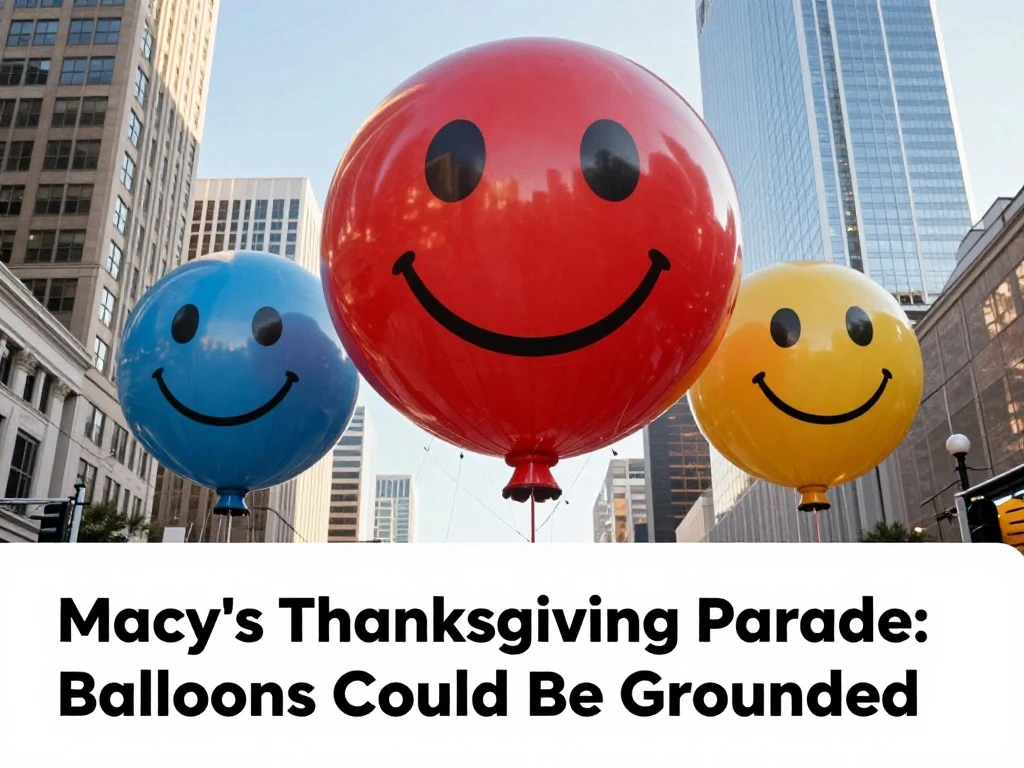
For the first time since 1971, the iconic giant balloons of the Macy’s Thanksgiving Day Parade may be grounded due to the threat of dangerous winds from a major coastal storm. The parade itself remains scheduled to take place, but the beloved inflatables—including characters like Disney’s Sorcerer’s Apprentice Mickey—could be absent if wind speeds exceed safety thresholds. This year’s lineup is described by Macy’s as a record-setting 100 inflatable elements, making the potential grounding all the more significant.
The parade has a long history of braving the elements, having survived rain, snow, and bitter cold. However, dangerous winds remain the biggest threat to its most famous attraction. According to Dan DePodwin, AccuWeather vice president of forecasting, “It’s probably the most significant chance in recent years of having no balloons.” The last time balloons were grounded was in 1971, underscoring the rarity of this situation.
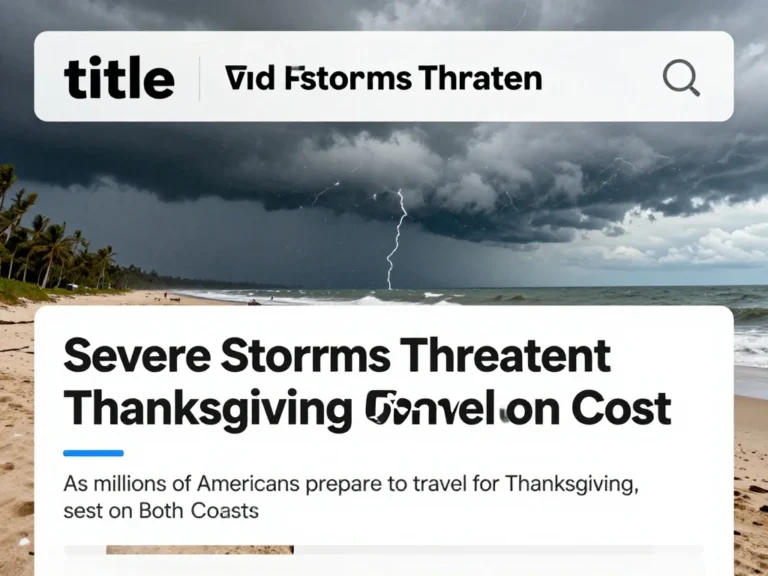
A major coastal storm is forecast to bring heavy rain, strong winds, and possible snow across more than 20 states from Florida to Maine during Thanksgiving week. The key factor, according to DePodwin, is the exact speed of the nor’easter as it comes up the coast. “The key piece [to the forecast] is the exact speed of the nor’easter as it comes up the coast,” he said, noting that if the weather system slows down, “balloons will likely fly.” All major forecast models, including their AI counterparts, are currently showing a powerful area of low pressure tracking west of New York City on Thanksgiving Day, which could bring stronger winds.
Even when winds remain just below the maximum limits, handlers can lower the balloons closer to the street to maintain control. While they can fly as high as 55 feet in calm weather, crews can bring them down to about 10 feet during gusty conditions. This flexibility allows the parade to proceed with balloons in a modified manner, but if winds exceed the threshold, the balloons will not fly. The best-case scenario is that the storm is slower, wind remains just below the threshold, and the balloons are flown lower as a result.
The decision to ground the balloons is not taken

 Shimanta Das