Huw Edwards: The Rise and Fall of a BBC News Anchor
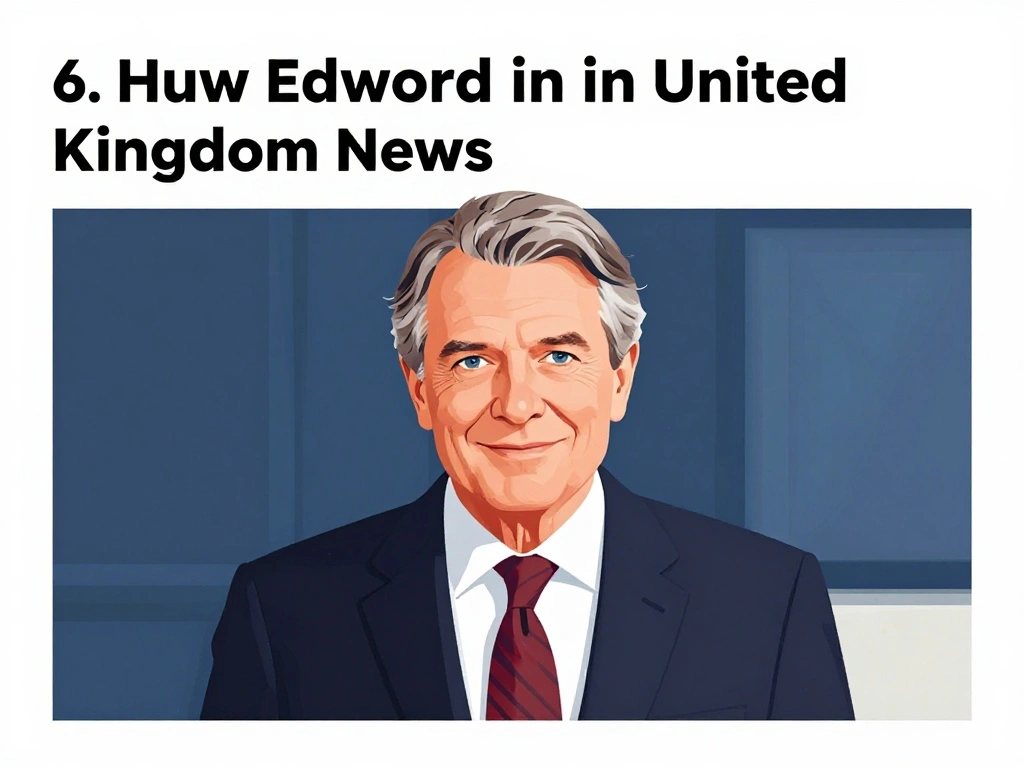
Huw Edwards, once the face of BBC News, became a central figure in United Kingdom news for reasons far removed from his professional achievements. He presented coverage of major royal events, including the announcement and coverage of the death and state funeral of Elizabeth II and the coronation of Charles III and Camilla. In January 2003, he became the main presenter of the Ten O’Clock News on BBC One, the BBC’s flagship news broadcast. For two decades, Edwards was a trusted and authoritative presence in British broadcasting.
However, his career and reputation unraveled dramatically. In July 2023, a national newspaper reported that “a top BBC star” had paid a teenager for sexual images. Days later, Edwards’ wife named him as the presenter at the centre of the scandal. He resigned from the BBC on health grounds, before being charged in June 2024 following a Metropolitan Police investigation. The charges and subsequent conviction marked a stunning fall from grace for a man who had anchored the nation’s most significant moments.
At his sentencing at Westminster Magistrates’ Court, the court heard that Edwards had been given a suspended sentence and was ordered to attend a sex offender treatment programme. He is set to remain on the sex offenders register for the next five years and is allowed to travel freely, including abroad, provided he notifies police at least seven days in advance. The judge emphasized the need for rehabilitation, stating, “Ensuring that Mr Edwards is able to develop pro-social activities in the future which provide him with a sense of purpose and social investment will be important protective factors alongside development of his internal behaviour controls.”
The case has raised significant questions about the abuse of power and trust, and the consequences for public figures. Four key takeaways from Huw Edwards’ sentencing highlight the severity of his actions and the legal system’s response. His world unraveled following the conviction, and the man who once anchored major national events knew he would never return to the studio. The story serves as a cautionary tale about the fragility of reputation and the importance of accountability.

 Shimanta Das