Delhi-Mumbai Expressway: India’s 1,350 km Mega Highway Slashing Travel Time and Boosting Real Estate
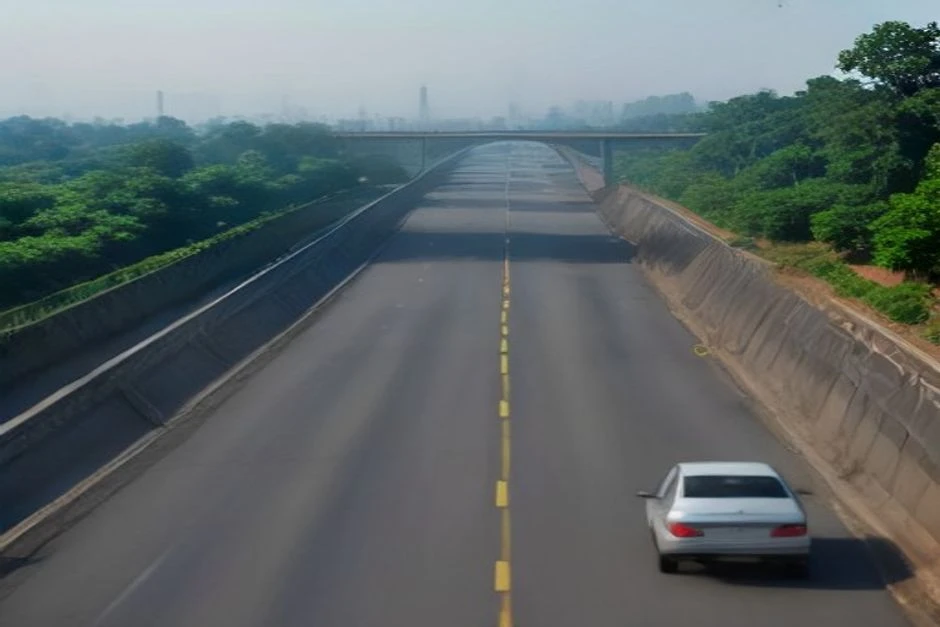
The Delhi-Mumbai Expressway is transforming long-distance travel in India, cutting the journey between the national capital and financial hub from a grueling 24 hours to just 12. This eight-lane, 1,350-kilometer expressway is not just a road; it’s an economic catalyst, designed to accelerate trade, connect industrial corridors, and unlock real estate potential along its route. By linking six states—Delhi, Haryana, Rajasthan, Madhya Pradesh, Gujarat, and Maharashtra—it creates a seamless corridor that promises to redefine regional connectivity.nnThe expressway’s strategic alignment is its greatest strength. It passes through key cities like Alwar, Kota, and Vadodara, integrating with existing highways and providing smart shortcuts to major destinations. For instance, travelers can reach Jaipur from Delhi in under three hours, and the route directly connects to the upcoming Jewar Airport. This enhanced accessibility is expected to spur industrial growth, reduce logistics costs, and make remote areas more attractive for investment. The project is divided into four main sections: Delhi to Haryana (59 km), Haryana to Gujarat (844 km), Gujarat to Maharashtra (354 km), and Maharashtra to JNPT (92 km), each designed to ensure smooth traffic flow and efficient connectivity.nnBeyond its infrastructural marvel, the expressway is a boon for the real estate sector. Cities along the corridor, such as Sohna, Dausa, and Virar, are witnessing a surge in property demand as improved connectivity makes them viable residential and commercial hubs. The reduced travel time encourages businesses to set up operations in these emerging areas, while commuters are drawn to affordable housing options within easy reach of major metros. This trend is expected to drive significant appreciation in land values and spur new developments, from logistics parks to residential townships.nnCurrently, the expressway is partially operational, with several stretches open to traffic. The full completion is targeted for 2024, with a total project cost estimated at over ₹1 lakh crore. Once fully functional, it will feature state-of-the-art amenities, including electronic toll collection, rest areas, and emergency services, ensuring a safe and comfortable journey. The Delhi-Mumbai Expressway is more than a road; it’s a symbol of India’s infrastructural

 Shimanta Das