
Canada’s Aviation Safety Landscape: Recent Incidents and Industry Shifts
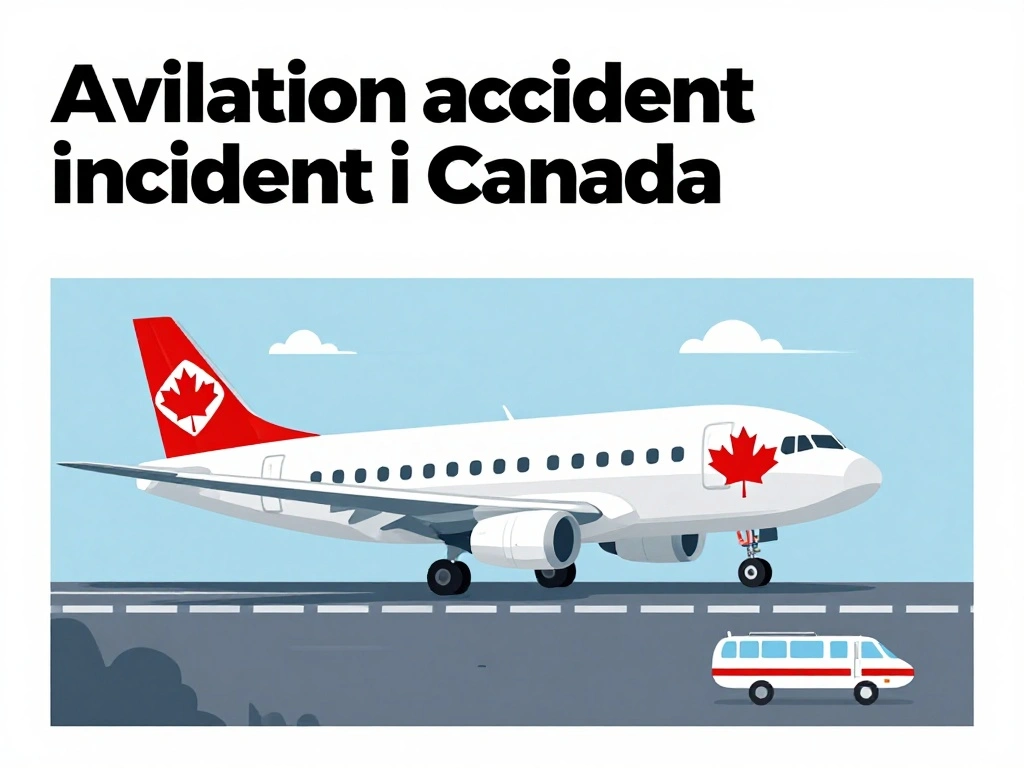
The Canadian aviation sector has recently been under the spotlight, with a series of incidents and operational disruptions drawing public attention. AeroInside, a leading aviation safety database, currently hosts 21,978 articles covering incidents, accidents, and plane crashes, underscoring the vast scope of safety monitoring. Among the most notable recent events was a tragic collision at New York’s LaGuardia Airport involving an Air Canada aircraft, which resulted in the deaths of two pilots and injuries to dozens of passengers. As investigators delve into the cause, experts emphasize that the absence of certain air traffic control communications may be pivotal. “Communication is going to be a major part of this investigation,” noted one analyst, highlighting that LaGuardia is one of 35 major U.S. airports where such gaps could pose challenges. This incident echoes a broader truth in aviation safety: as National Transportation Safety Board Chair Jennifer Homendy stated, “We rarely, if ever, investigate a major accident where it was one failure.” The complexity of modern aviation demands a holistic examination of human, mechanical, and systemic factors.nnMeanwhile, on the labor front, WestJet flight attendants officially went on strike on August 2, 2026, grounding all Boeing 737 and 787 flights. The strike, which followed failed negotiations, left thousands of travelers stranded and forced the airline to cancel 81 flights in the preceding days. A Waterloo family, caught in the chaos, had no choice but to purchase new tickets at their own expense. The strike also had ripple effects, with picket lines appearing in Winnipeg and other cities, as passengers expressed feelings of being “stranded.” This labor action highlights the fragility of air travel when workforce disputes escalate, and it underscores the importance of contingency planning for both airlines and passengers.nnAmid these disruptions, there are also positive developments in Canadian aviation. For instance, air cadets recently gained hands-on aircraft maintenance training at Canadore College, a program that aims to address skilled labor shortages. Additionally, the federal government announced a $2 million investment to support aviation infrastructure and training. On the commercial side, WestJet’s expansion plans, including 13 new destinations, signal a forward-looking strategy despite current labor challenges. Meanwhile, industry analysts are examining how Embraer has quietly reclaimed its home continent from the Airbus A220 over the past 12 months

 Shimanta Das