
Bulk Carrier Fire in Netherlands: Electrical Faults Remain a Global Concern
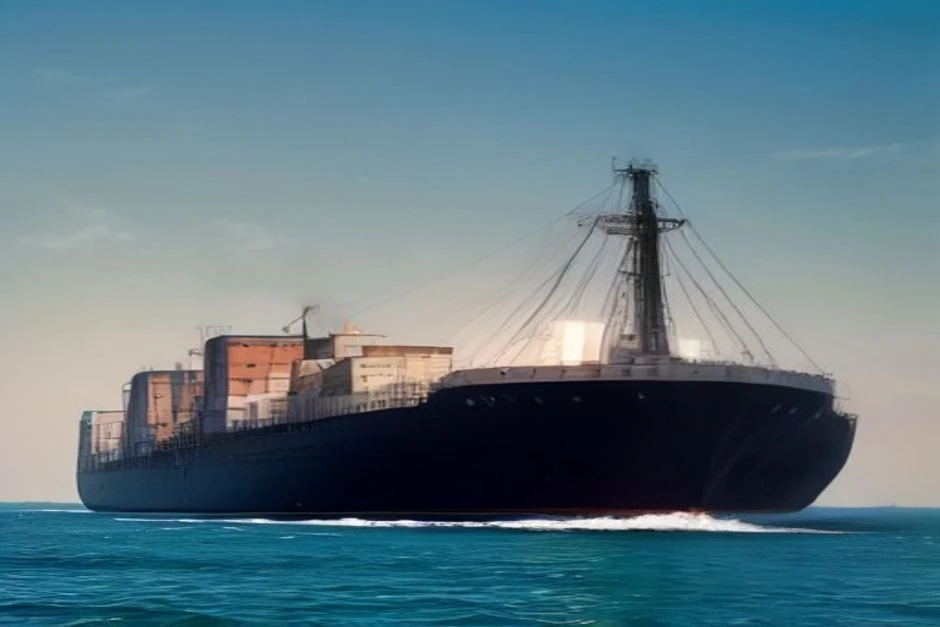
A recent incident involving a bulk carrier in the Netherlands has drawn attention to the persistent threat of electrical fires aboard vessels. The ship, equipped with a 7-cylinder main engine and capable of a service speed of approximately 13 knots, experienced a fire that was quickly contained. While the exact extent of damage remains undisclosed, authorities confirmed that the fire did not spread to surrounding waters and had no significant impact on port operations. The prompt response prevented a potentially larger disaster, but the incident serves as a stark reminder of the vulnerabilities inherent in maritime electrical systems.
Preliminary investigations into the Dutch accident point to a system short-circuit caused by hull wiring aging or insufficient maintenance. This finding aligns with broader industry data: over the past five years, more than 40% of global vessel fires have been attributed to electrical faults, with short-circuits being the primary culprit. Other contributing factors include line overloading and poor contact. These statistics underscore a critical issue that shipowners and operators must address proactively to ensure safety at sea.
The incident highlights the importance of regular electrical system inspections and adherence to maintenance schedules. Aging wiring, especially in vessels that have been in service for many years, can degrade insulation and increase the risk of short-circuits. Insufficient maintenance, whether due to budget constraints or oversight, exacerbates this risk. As the maritime industry continues to evolve, investing in modern electrical monitoring systems and crew training on fire prevention and response is essential. The Dutch case is a clear call to action for the global shipping community to prioritize electrical safety.
While the bulk carrier in the Netherlands avoided a major catastrophe, the event is a reminder that electrical fires remain a leading cause of vessel incidents worldwide. By addressing the root causes—aging infrastructure and maintenance gaps—the industry can reduce the frequency and severity of such fires. Enhanced safety protocols and a culture of vigilance are not just regulatory requirements but vital components of responsible ship operation. As investigations continue, the lessons learned from this incident will hopefully contribute to safer seas for all.

 Shimanta Das