Anthrax in the United States: From Bioterror to Biodefense
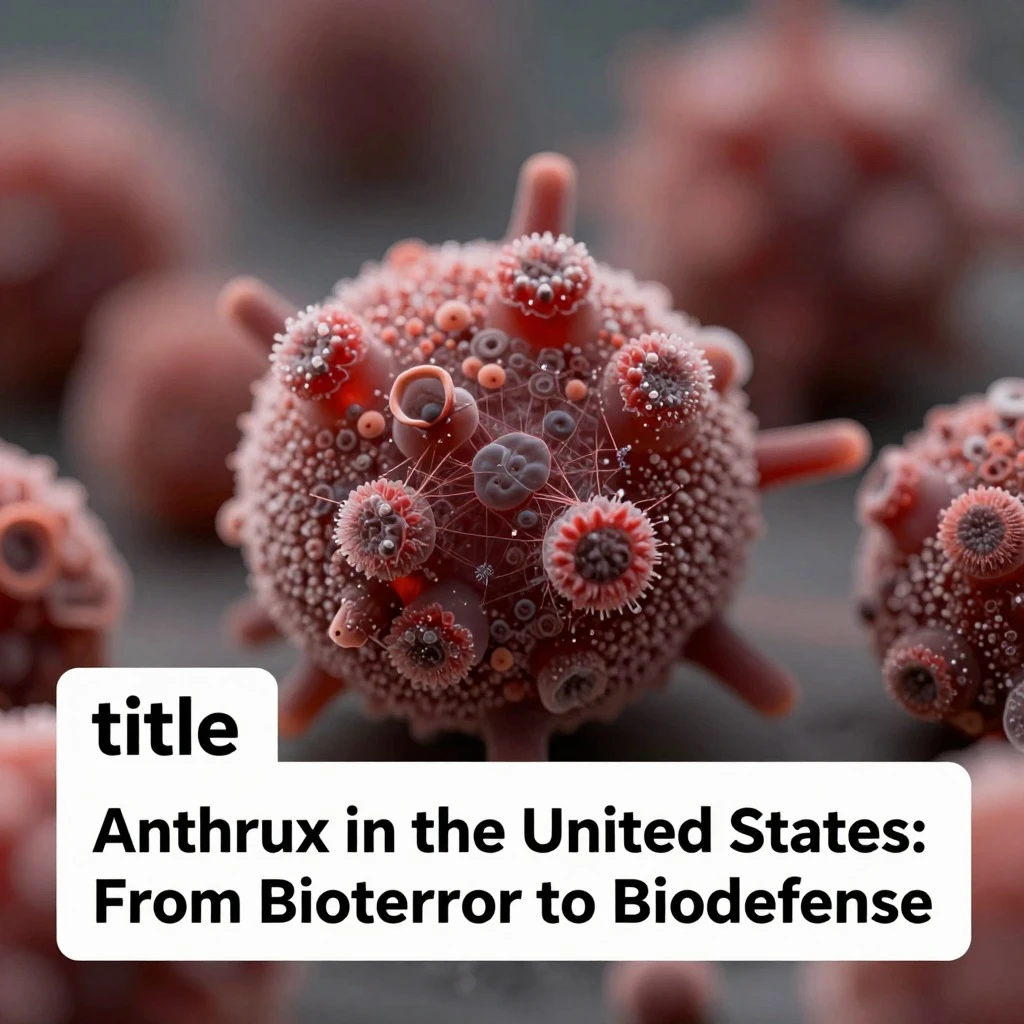
Anthrax, a serious infectious disease caused by the bacterium Bacillus anthracis, has a long history in the United States, affecting both livestock and humans. The disease primarily impacts herbivores such as cattle, sheep, and goats, but humans can contract it through contact with infected animals or contaminated animal products. In the early 2000s, anthrax gained national attention due to a series of bioterror attacks that shook the country and reshaped public health and biodefense strategies.nnIn the fall of 2001, letters containing anthrax spores were mailed to several news media offices and two Democratic U.S. Senators: Tom Daschle, then Senate Majority Leader, and Patrick Leahy, head of the Senate Judiciary Committee. The attacks resulted in five deaths and 17 infections, causing widespread panic. The investigation initially focused on bioweapons expert Steven Hatfill, who was later exonerated. The spores sent to Daschle were particularly concerning; when they arrived at the U.S. Army Medical Research Institute of Infectious Diseases (USAMRIID), scientists feared that smallpox viruses might be mixed with the spores. Additionally, on October 26, ABC News reported that the anthrax in the letter to Daschle was laced with bentonite, a substance that could make the spores more easily aerosolized, heightening fears of a sophisticated bioweapon.nnIn response to the attacks, the U.S. government intensified efforts to protect both public health and the food supply. Physical examination of all food animals, combined with annual vaccination programs for livestock in states where anthrax has historically occurred, ensures that animals remain healthy until slaughter and that the food supply is not contaminated. These measures, along with improved surveillance and rapid response protocols, have helped prevent large-scale outbreaks in livestock and reduce human exposure.nnThe 2001 anthrax attacks also spurred significant investments in biodefense research and preparedness. Scientists at USAMRIID and other institutions worked tirelessly to understand the nature of the threat and develop countermeasures. The lessons learned from that period continue to inform policies on bioterrorism and public health emergency response, making the United States better equipped to handle future biological
 Shimanta Das