Su-30 in Russian News: Modernization, Maintenance, and Combat Incidents
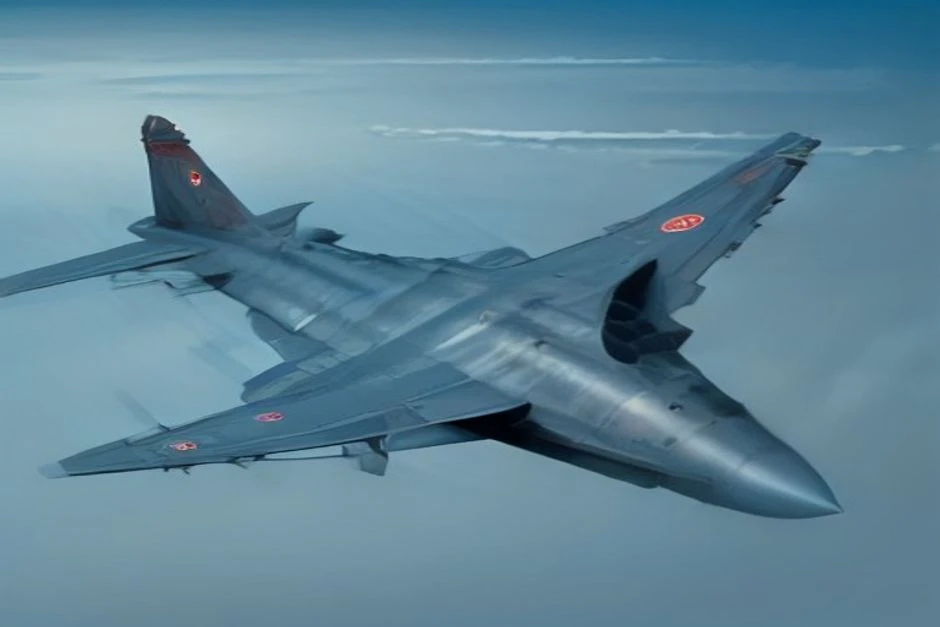
The Sukhoi Su-30, a twin-engine, two-seat supermaneuverable fighter developed from the Su-27, remains a cornerstone of Russian air power. Recent news highlights its ongoing modernization, with upgrades aimed at keeping the jet in service until 2055. This commitment underscores the Su-30’s enduring value, despite the emergence of newer platforms like the Su-57. The Russian Aerospace Forces (VKS) are investing in these enhancements to maintain a formidable multirole capability, ensuring the Flanker-H remains a key player in the nation’s defense strategy.
In a notable logistical development, the VKS has partnered with Kazakhstan’s ARC Group for maintenance and repair services. This collaboration is significant because ARC Group is the exclusive distributor of Safran Electronics & Defence in Kazakhstan, bringing Western expertise to Russian aircraft upkeep. This move suggests a pragmatic approach to sustaining the Su-30 fleet, potentially improving reliability and extending operational life. Such international cooperation highlights the complexities of maintaining advanced military hardware in a globalized defense industry.
However, the Su-30 has also been in the news for less favorable reasons. A recent incident involved a fire starting on the main undercarriage leg of a Su-30SM, which then spread to engulf an engine intake. Footage from inside the cockpit and external views captured the event, raising concerns about safety and maintenance standards. Additionally, the Ukrainian military intelligence (GUR) reported that two Su-30SM fighters were damaged in an attack, with an estimated total cost of up to $100 million. While the extent of the damage remains unclear, such incidents underscore the vulnerabilities of even advanced aircraft in combat zones.
Despite these challenges, the Su-30 continues to prove its worth in various air forces. A unit was fully rearmed with about twenty new Su-30SM fighters, indicating ongoing production and deployment. However, a recent incident saw both crew members, Major Aleksey Golovensky and Captain Aleksey Kozlov, captured after their aircraft was downed. This highlights the risks faced by pilots and the geopolitical tensions surrounding the aircraft’s use. As Russia continues to modernize and maintain its Su-30 fleet, the world watches closely, balancing the aircraft’s proven capabilities against the realities of modern warfare and maintenance hurdles.

 Shimanta Das