Understanding SBU in Russia: A Comprehensive Overview
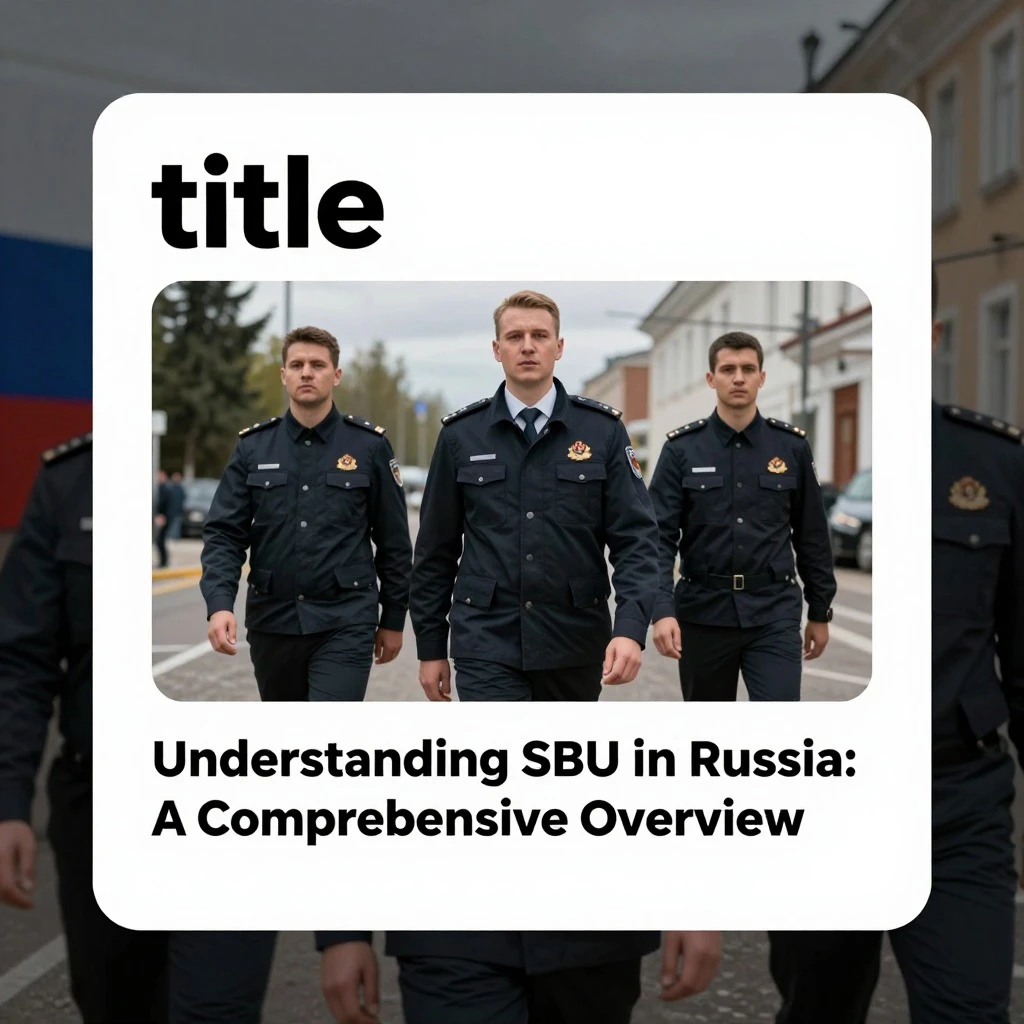
The term “SBU” in Russia often refers to the Security Service of Ukraine (Sluzhba Bezpeky Ukrayiny), but within the context of Russia, it is crucial to distinguish between Ukrainian and Russian security structures. In Russia, the primary security agency is the Federal Security Service (FSB), which handles domestic security, counterintelligence, and border protection. However, the acronym SBU is sometimes used in Russian media and political discourse to refer to Ukrainian intelligence operations, especially in the context of the ongoing conflict. This article aims to clarify the role and significance of SBU in Russian narratives, while also highlighting the broader security landscape.
In Russian official statements and state-controlled media, the SBU is often portrayed as a hostile entity that conducts subversive activities against Russia. This framing is part of a larger information campaign that seeks to justify military actions and domestic security measures. For instance, Russian authorities have frequently accused the SBU of orchestrating terrorist attacks, sabotage, and cyber operations on Russian soil. These allegations serve to rally public support and legitimize heightened surveillance and restrictions on civil liberties. It is essential to approach such claims with critical thinking, as they are often unverified and serve political purposes.
From a legal and operational standpoint, Russia’s own security services, including the FSB and the Foreign Intelligence Service (SVR), are tasked with countering threats posed by foreign intelligence agencies, including the SBU. The FSB has broad powers to conduct investigations, surveillance, and covert operations. In recent years, Russia has also established new units and legal frameworks to address perceived threats from Ukraine, such as the creation of the National Guard and amendments to anti-terrorism laws. These measures have been criticized by human rights organizations for enabling abuses and suppressing dissent.
For individuals and businesses operating in Russia, understanding the security environment is vital. The ongoing tensions with Ukraine have led to increased scrutiny of foreign contacts and communications. Russian authorities have intensified checks on organizations receiving foreign funding, and there is a growing risk of being labeled as a “foreign agent” or “undesirable organization.” To mitigate risks, it is advisable to stay informed about legal changes, maintain transparent operations, and seek professional legal counsel. Moreover, for those concerned about personal data and privacy, it is important to note that Russian laws require

 Shimanta Das