Gilderoy Lockhart Casting Shake-Up: Nicholas Hoult Out, Kit Harington In for HBO’s Harry Potter Series
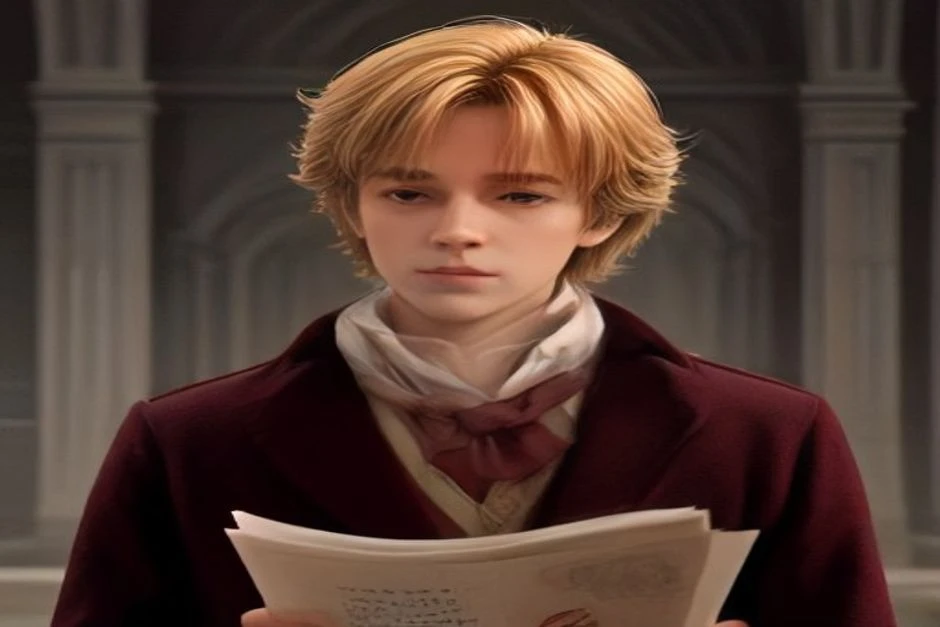
The upcoming HBO adaptation of J.K. Rowling’s Harry Potter series has been making headlines, and the latest news involves a major casting change for the role of Gilderoy Lockhart. Initially, Nicholas Hoult was announced to play the charismatic but fraudulent Defense Against the Dark Arts professor in the show’s second season. However, according to Deadline, Hoult had to exit the project due to scheduling conflicts, and Kit Harington has now been tapped to replace him. This news has sparked excitement among fans, as Harington, known for his role as Jon Snow in Game of Thrones, brings a different energy to the character.
Lockhart, a key figure in the second book, Harry Potter and the Chamber of Secrets, is a beloved and comedic character. He was famously portrayed by Kenneth Branagh in the 2002 film, and his portrayal set a high bar. The HBO series, which aims to be a more faithful adaptation of the books, has already assembled a stellar cast, including Nick Frost as Rubeus Hagrid, John Lithgow as Albus Dumbledore, Paapa Essiedu as Severus Snape, and Janet McTeer as Professor McGonagall. With Harington stepping into Lockhart’s shoes, the show promises to deliver a fresh yet memorable take on the vain wizard.
The casting news was first reported on August 12, 2026, with an update on August 25, 2026, confirming Harington’s involvement. While Hoult’s departure was unfortunate, Harington’s addition is a silver lining. His previous work in fantasy dramas demonstrates his ability to balance charm and depth, which is essential for Lockhart’s dual nature as a celebrated author and a fraud. Fans are eager to see how he interprets the character’s flamboyant personality and eventual downfall.
As production continues, this change adds to the anticipation for the second season. The series has already generated significant buzz, and with Harington on board, it’s likely to attract even more viewers. The casting shake-up is a reminder of the dynamic nature of television production, but it also highlights

 Shimanta Das