
Inside the FBI: Navigating Political Firestorms and Evolving Threats in 2026
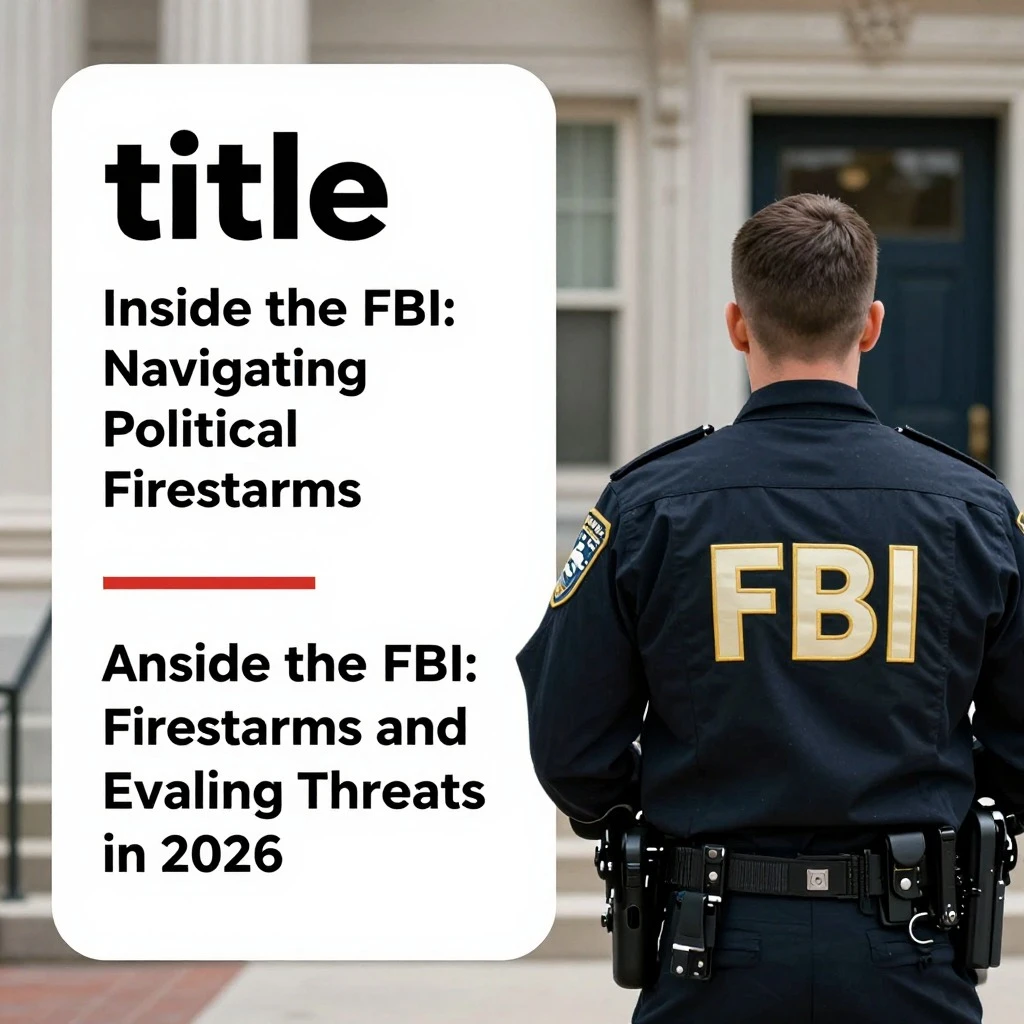
The Federal Bureau of Investigation finds itself at the center of both political controversy and critical national security challenges. Recently, Senator Cory Booker sharply criticized FBI Director Kash Patel, calling him an “incompetent lackey” and an embarrassment to the Bureau. This public rebuke underscores the ongoing tension between the FBI and its political overseers, raising questions about leadership and independence at the nation’s top law enforcement agency. Despite such criticisms, the FBI continues to carry out its core mission: protecting the United States from terrorism, cyber threats, and major criminal activity.nnOne of the most pressing concerns facing the Bureau is the evolving nature of terrorism. According to FBI officials, foreign terrorist organizations like al-Qaeda and ISIS have proven to be “adaptable” and “agile,” and are now relentlessly seeking to develop “lone offenders” inside the United States. This shift toward homegrown, self-radicalized individuals presents a unique challenge for investigators, as these actors often operate independently and leave fewer digital footprints. The FBI’s counterterrorism efforts remain a top priority, with Director Patel emphasizing that the campaign against such threats, which began over two decades ago, is “just as important today in 2026, if not more important than it was in 2001.” This commitment is reflected in the Bureau’s organizational structure, which includes a dedicated Counterterrorism Division and a Threat Screening Center within its National Security Branch.nnBeyond terrorism, the FBI is grappling with rapid technological advancements that erode traditional boundaries. The proliferation of information technology and computer networks has created new vulnerabilities, complicating the Bureau’s approach to national security and criminal threats. The FBI must now navigate a complex “system between how the FBI approaches national security and criminal threats and how it shares responsibility among the government, academic, and private sectors for defending critical technology, intellectual property, and critical infrastructure.” This collaborative model is essential in an era where cyberattacks can originate from anywhere and target anything. The Bureau’s Cyber Division and Operational Technology Division are at the forefront of these efforts, working to stay ahead of adversaries.nnAs the FBI moves forward, it faces the dual challenge of maintaining public

 Shimanta Das