The 32-Hour Workweek: A New Deal for American Workers?
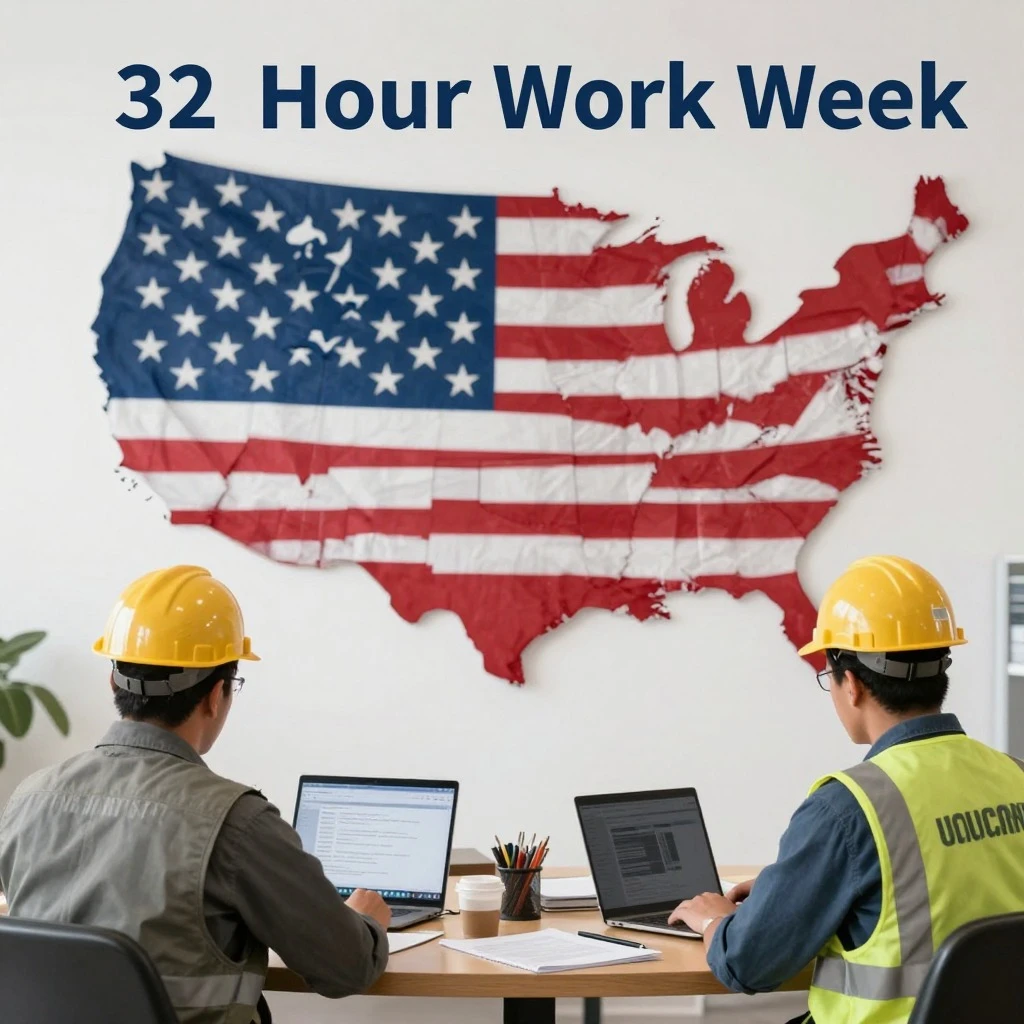
Despite soaring productivity, American workers have seen stagnant wages and outdated labor protections for over 85 years. In response, Senator Bernie Sanders has championed a bold solution: a 32-hour workweek with no loss in pay or benefits. “One important way to do that is through a 32-hour workweek with no loss in pay or benefits,” Sanders said, framing the proposal as a necessary update to the Fair Labor Standards Act, which still defines a standard workweek as 40 hours.
The idea is gaining traction. Recent pilot programs, including those in government offices, have reported promising results. Officials noted lower sick-leave use, more job applications, and estimated cost savings. Employees appreciated the flexibility, with one resident commenting, “The main feedback we’ve heard from residents is how they can now get to our office for quick trips before going to work themselves.” However, challenges remain, including scheduling difficulties, maintaining public-facing services, and ensuring adequate coverage. These hurdles highlight that a shorter week requires careful planning, especially in sectors that demand continuous operations.
Opponents argue that shortening the standard week while maintaining pay could increase labor costs, potentially leading to higher prices or reduced hiring. Yet proponents counter that a 32-hour week would boost morale, reduce burnout, and ultimately enhance productivity—benefits that could offset initial expenses. As the debate evolves, the 32-hour workweek stands as a litmus test for whether America can modernize its labor laws to match 21st-century realities, ensuring that the gains from productivity are shared fairly with those who create them.

 Shimanta Das