US Fires Up to 70 Interceptors Against Iran Attack on Jordan, Pentagon Denies Munitions Depletion
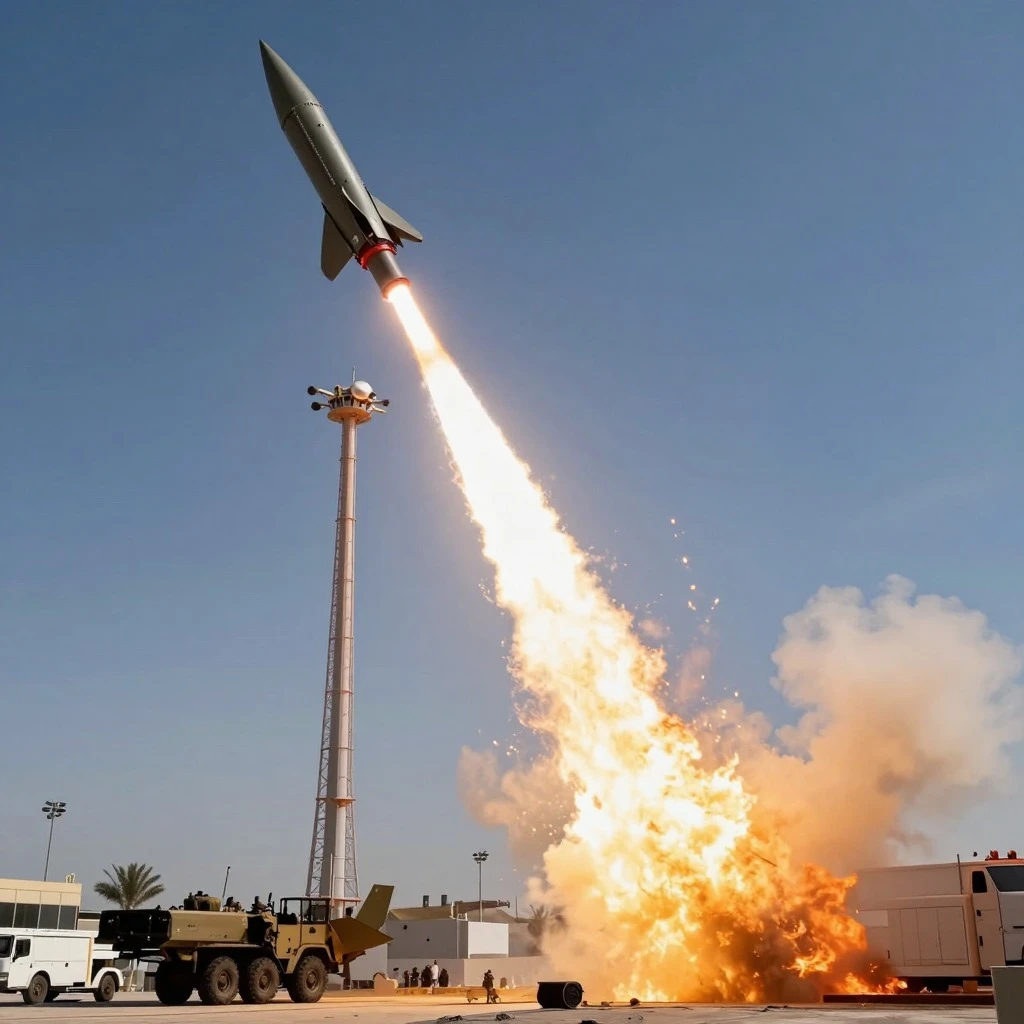
The United States reportedly launched as many as 70 interceptors to counter an Iranian attack targeting Jordan, underscoring the intensity of the ongoing conflict. The large-scale defensive response highlights the critical role of US air defense systems in protecting allies and assets in the region. According to Pentagon spokesman Sean Parnell, “Reports suggesting that the United States’ munitions are depleted are completely false,” adding that the US military remains capable of responding to threats. President Donald Trump also stated on Monday that Washington maintains large stocks of interceptors and is increasing production.
Despite these assurances, concerns persist about the sustainability of US interceptor supplies. US stockpiles of PAC-3 Patriot interceptors and ATACMS missiles in Europe have reportedly fallen below critical levels, with replenishment potentially taking years. This shortfall comes as Iran continues to ramp up its missile production, creating a growing competition between Iranian missile output and US-led efforts to replenish interceptor stocks. That dynamic has become a key factor in the military calculations surrounding the conflict.
The use of up to 70 interceptors in a single engagement illustrates the high cost of defending against mass missile attacks. Each PAC-3 interceptor costs millions of dollars, and the expenditure rate in such scenarios could quickly strain even robust inventories. While the Pentagon insists that current stock levels are sufficient, the long-term ability to sustain such defensive operations depends on accelerating production and securing supply chains.
As the situation evolves, the US faces a dual challenge: maintaining adequate defenses for its forces and allies while managing the broader strategic competition with Iran. The outcome will likely influence not only the trajectory of this conflict but also future US military planning and alliance commitments in the Middle East and Europe.
 Shimanta Das