Trump Tariffs Persist: A Global Trade Landscape Reshaped
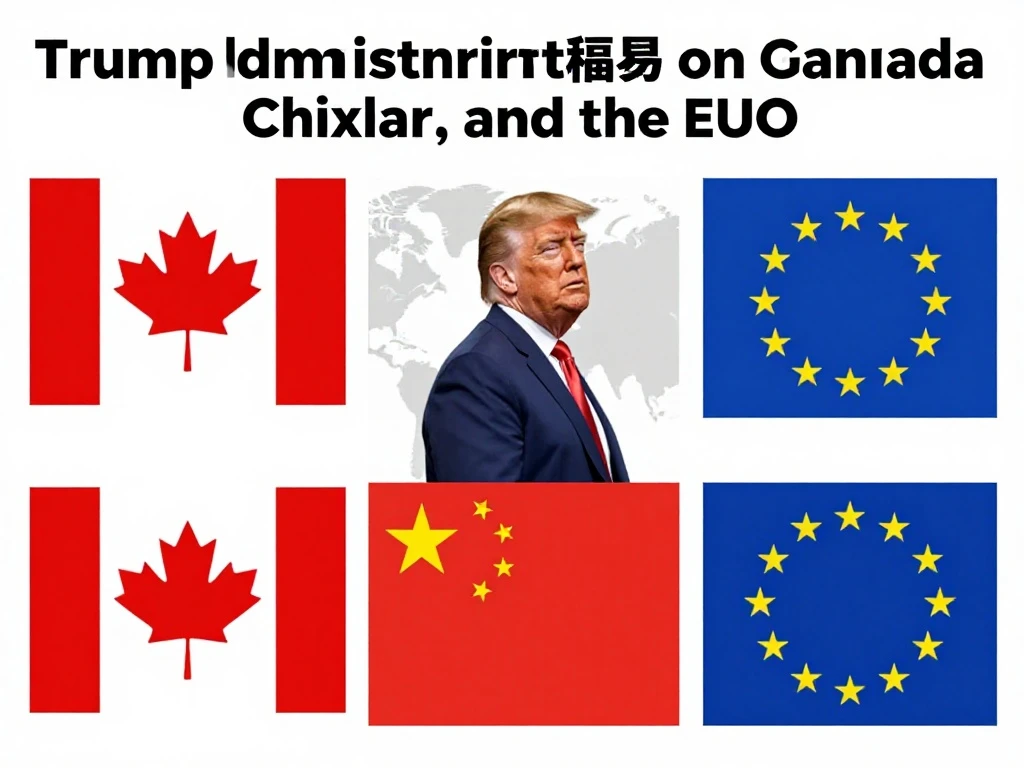
The Trump administration’s tariffs on Canada, Mexico, China, and the EU remain in force, continuing to reshape global trade dynamics. After a Supreme Court decision, President Trump announced a global tariff of 10% under Section 122 of the Trade Act of 1974, set to remain in effect for 150 days until July 24, 2026. This move underscores the administration’s commitment to economic nationalism, a shift that Jeffry Frieden notes began in 2016 when both major parties had candidates openly hostile to economic integration—a first since the 1930s. Trump’s victory marked the mainstreaming of an economic nationalism that had long been outside American political consensus.
The tariffs include a 10% ad valorem levy on Chinese products and Canadian energy resources, applying in addition to those under Section 232 of the Trade Expansion Act of 1962. They also complement the USMCA, with enhanced coordination at the Canada-US border. While some products, like plywood and certain packaging materials, have been exempted from the 50% tariff effective October, the overall tariff regime remains broad. So far, there has been no definitive indication of a significant aggregate effect on the labor market; however, industries most exposed to tariffs show signs of weakness relative to the pre-2025 trend. This aligns with historical patterns where laid-off manufacturing workers often did not relocate or transition into new industries, remaining unemployed long term even after their communities rebounded.
The persistence of these tariffs signals a lasting shift in U.S. trade policy, with implications for global supply chains and diplomatic relations. As the 150-day window under Section 122 runs its course, businesses and policymakers will closely monitor labor market impacts and potential retaliatory measures from affected trading partners. The administration’s approach reflects a broader skepticism of economic integration, suggesting that tariffs may remain a central tool in U.S. trade strategy for the foreseeable future.

 Shimanta Das