Trump Faces Rare Bipartisan Backlash Over Plan to Lift Sanctions on Russian Diesel
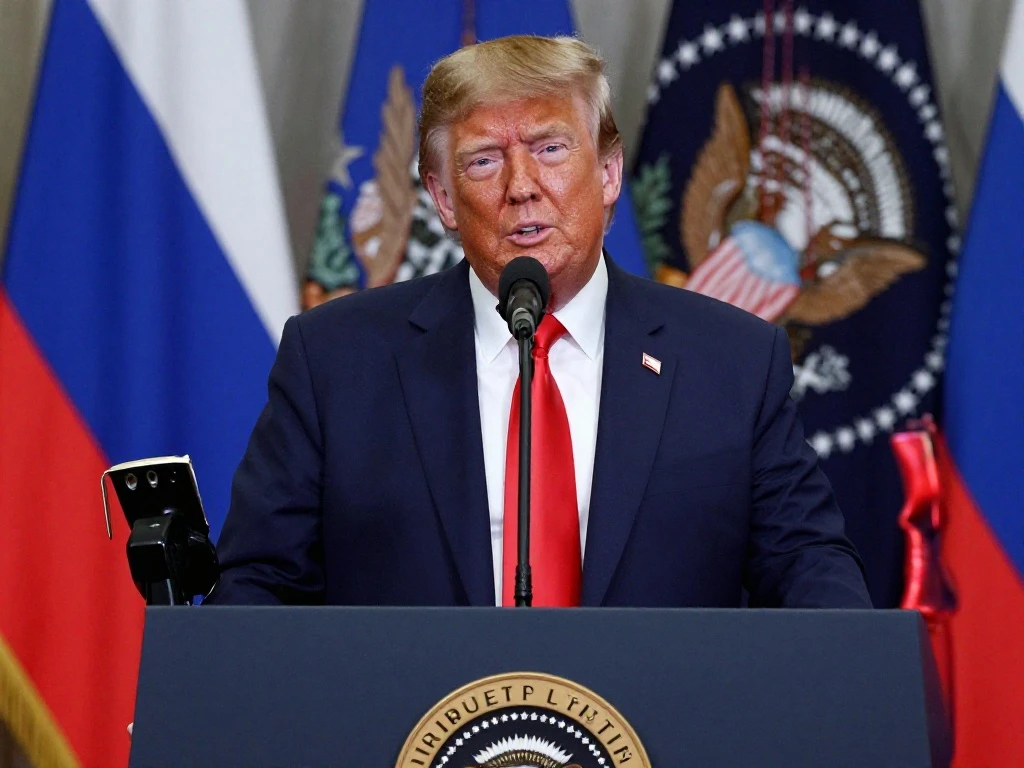
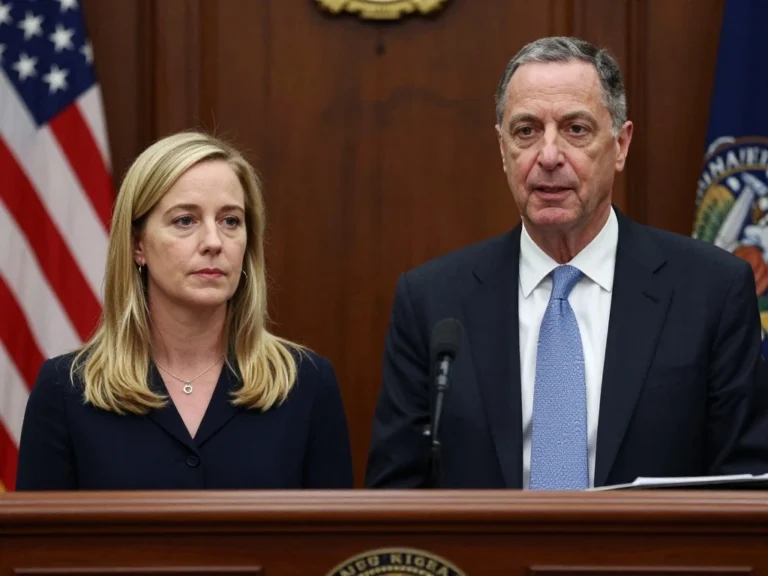
President Donald Trump’s agreement to allow Russian diesel into the United States and global markets has triggered rare bipartisan condemnation in Congress. Lawmakers are accusing the White House of undermining sanctions legislation Trump himself signed just weeks ago. The statement was co-signed by GOP Senators Lisa Murkowski of Alaska, Susan Collins of Maine, Thom Tillis of North Carolina, and John Curtis of Utah, alongside Democratic Senators Jeanne Shaheen of New Hampshire, Ron Wyden of Oregon, and Richard Blumenthal of Connecticut. The lawmakers urged the 80-year-old president to “immediately reverse” the plan, which would effectively lift sanctions imposed on Russia after it launched its full-scale invasion of Ukraine in 2022.
The backlash comes as high fuel prices caused by the war in Iran pose major liabilities for Trump and Republicans as they try to hold onto power in Congress. The policy shift on dealings with Russia came just weeks after he signed a major Russia sanctions package ‒ legislation named after the late Republican Sen. John McCain. Critics argue that allowing Russian diesel into global markets could significantly benefit Russian President Vladimir Putin, who is seeking to prevent an electoral wipeout for Republicans in the midterms. The four GOP senators, in particular, have broken ranks with the president, signaling growing unease within his own party over the move.
Energy experts, meanwhile, have doubts that Trump’s efforts to import Russian diesel will significantly lower diesel costs before the November election. The plan, they say, is unlikely to provide the immediate relief at the pump that the administration hopes for, and could instead undermine the credibility of U.S. sanctions policy. The bipartisan group of senators is demanding that Trump reverse course, warning that the decision sends a dangerous signal to Moscow and undermines the very sanctions regime he recently championed.
With the midterms approaching, the controversy adds to the political peril facing Trump and congressional Republicans. The rare bipartisan condemnation underscores the sensitivity of Russia policy and the potential electoral consequences of appearing soft on Putin. As the White House weighs its next move, the pressure from both sides of the aisle is unlikely to subside, making this a defining test of Trump’s leadership on foreign policy and energy.

 Shimanta Das