The Evolution of College Football in the United States: Tradition, Talent, and Transformation
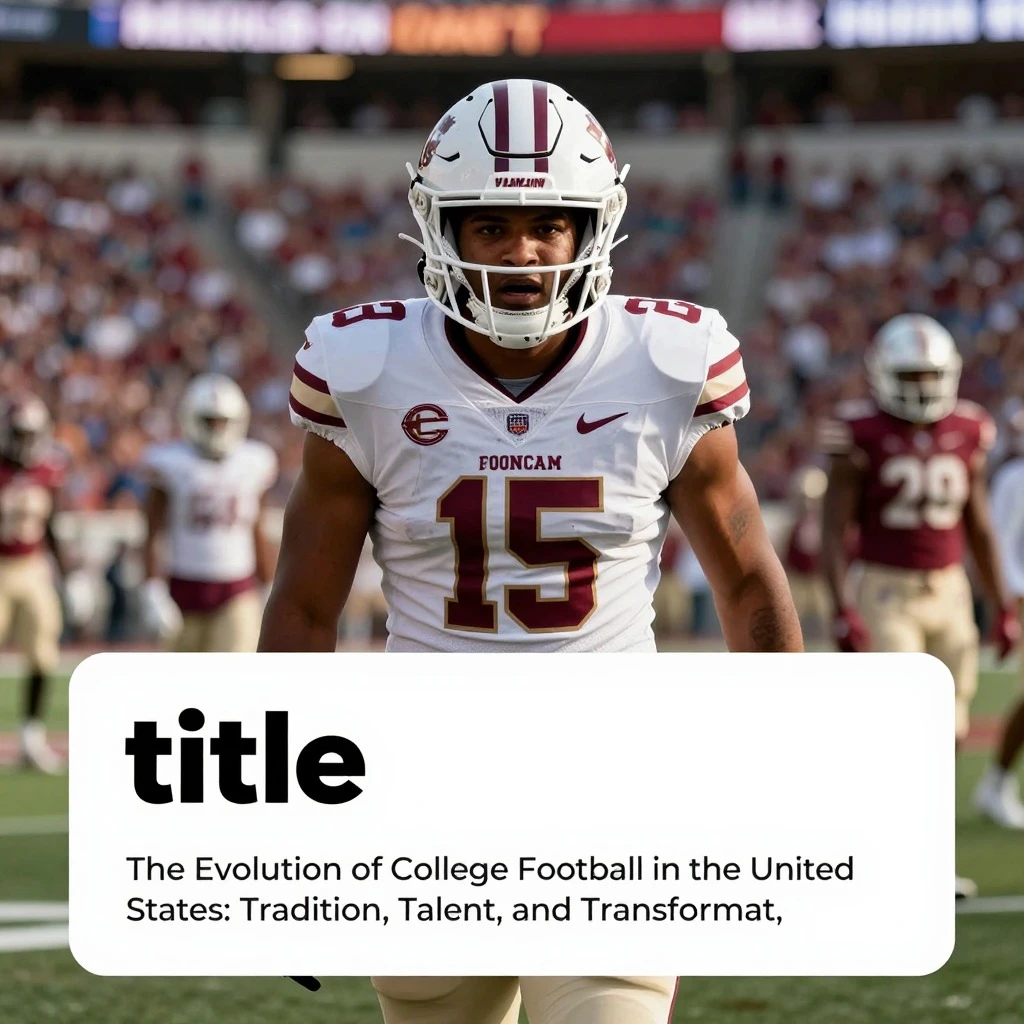
College football in the United States is more than just a sport; it is a cultural phenomenon that weaves together tradition, community, and athletic excellence. Every autumn, millions of fans flock to stadiums or tune in from home to witness the pageantry and passion that define the game. From the iconic marching bands to the tailgate rituals, college football offers an experience unlike any other professional sport. Yet, beneath the surface of this beloved pastime lies a landscape in constant flux, shaped by financial pressures, player empowerment, and technological advancements.nnOne of the most significant transformations in recent years has been the advent of the transfer portal and Name, Image, and Likeness (NIL) deals. These changes have fundamentally altered how teams are built and how players navigate their careers. Student-athletes now have unprecedented mobility and earning potential, allowing them to leverage their talents for financial gain while still pursuing their education. This shift has created a more dynamic and competitive environment, where smaller programs can compete for top talent if they offer compelling NIL opportunities. However, it has also raised concerns about parity and the potential for a ‘pay-for-play’ model that could undermine the amateur spirit of the game.nnAnother critical development is the expansion of the College Football Playoff (CFP) from four to twelve teams, set to take full effect in the 2024 season. This expansion aims to provide more teams with a chance at the national championship, increasing the importance of regular-season games while also giving more programs a shot at glory. The expanded playoff is expected to boost revenue and viewership, but it also places additional strain on student-athletes’ schedules and raises questions about the balance between academics and athletics. Moreover, the financial disparities between the Power Five conferences and the rest of the Football Bowl Subdivision (FBS) continue to widen, prompting discussions about governance and revenue sharing.nnOff the field, college football is also grappling with issues of player safety and mental health. Advances in sports medicine and equipment have improved safety, but the long-term effects of concussions remain a pressing concern. Universities are investing heavily in medical staff and research to protect their players, while also providing mental health resources to support the well-being of student-athletes. Additionally, the sport is becoming
 Shimanta Das