
SpaceX Rocket Stage Set to Crash Into the Moon: A Rare Lunar Impact
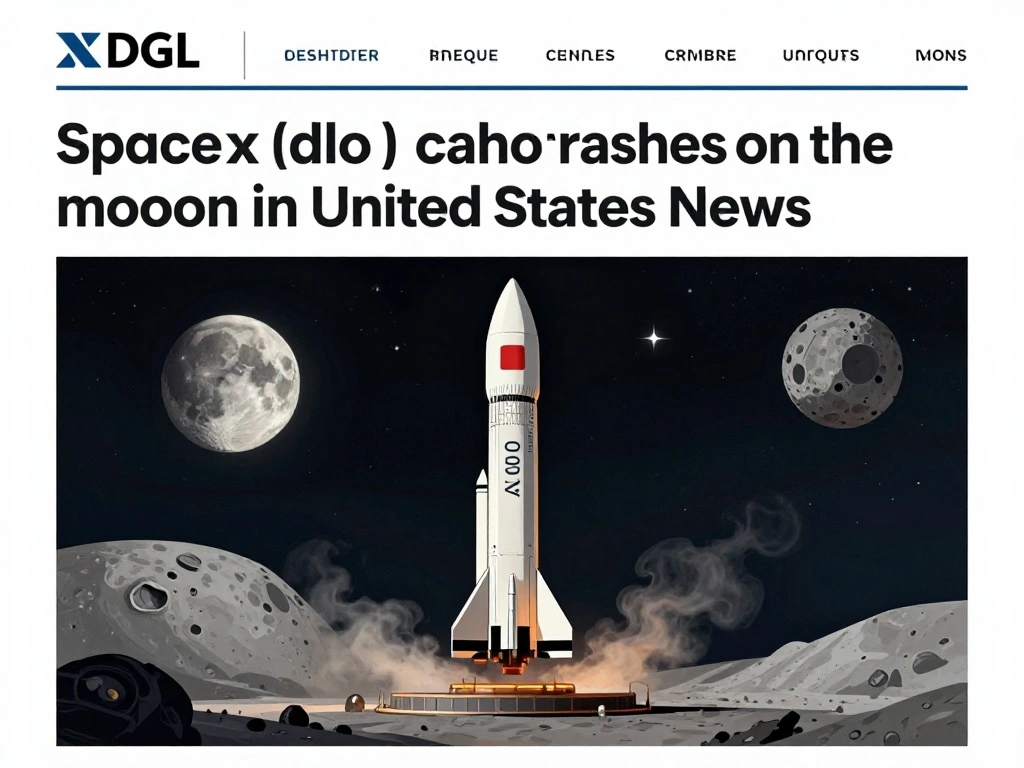
In an unprecedented turn of events, a SpaceX rocket stage is on a collision course with the Moon, marking a rare and unintended lunar impact. The booster, part of a January 2025 lunar lander mission, returned to Earth as planned, but the upper stage remained in space to provide the extra thrust needed for the deep-space journey. However, this left the second stage adrift among thousands of pieces of space junk, its fuel depleted and its controls lost. It wasn’t until this year that astronomers calculated its trajectory would end with a crash into the lunar surface.
Julianna Scheiman, SpaceX’s director of NASA science and Dragon spacecraft programs, explained the situation to reporters on Monday: “What has happened is essentially a mixture of solar activity and gravity forces have put it on a path toward the Moon.” This highlights the unpredictable nature of orbital mechanics, where even a defunct piece of hardware can be influenced by external forces beyond our control. The stage, which had already dumped its remaining fuel, is now a passive projectile on a fateful journey.
While the impact is inevitable, experts reassure that the consequences are minimal. The rocket’s small plutonium-238 power source will likely remain harmlessly on the lunar surface, posing no threat to future missions. This event, however, underscores the growing concern about space debris and the need for better tracking and disposal strategies. As active satellites routinely maneuver to avoid such debris, the lunar crash serves as a stark reminder of the challenges posed by humanity’s expanding footprint in space.
Despite the scientific interest, the news has had a mixed reception in the financial world. Shares of SpaceX tumbled as investors remained skeptical about the company’s ability to deliver on its lofty promises, even as this incident draws attention to the risks inherent in space exploration. Nonetheless, this rare lunar impact offers a unique opportunity for scientists to study the Moon’s surface composition and the effects of high-velocity impacts, turning an accident into a potential learning experience.

 Shimanta Das