
Deadly Fungus Spreads Across US: What You Need to Know
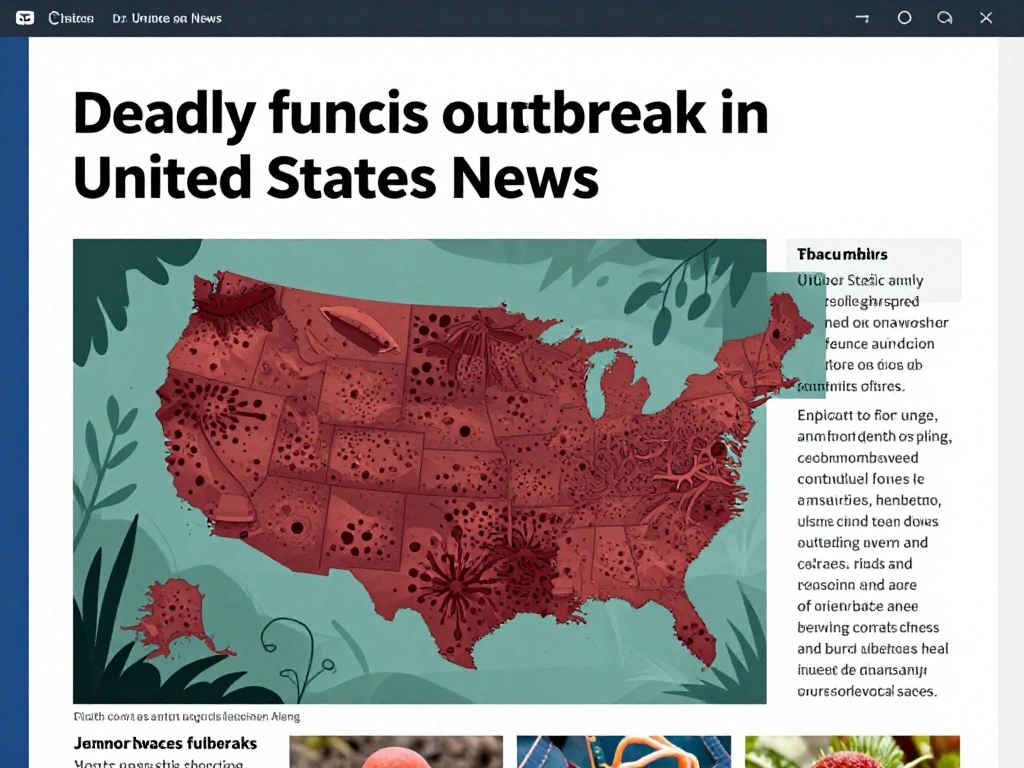
In a concerning development, a deadly fungus has now been reported in twenty-three states as of 2026, with cases emerging across every major region of the United States. Health officials are urging vigilance, particularly in healthcare settings, as the pathogen poses the greatest risk to the critically ill, including those on ventilators or with weakened immune systems. The spread underscores the urgent need for rapid detection, robust screening programs, and stringent infection-control measures in hospitals and long-term care facilities.
Recent data from 2022 to 2024 reveals that 88% of clinical cases occurred in individuals over 45, with a majority being men and most in acute care settings. This demographic pattern highlights the vulnerability of older adults and those with underlying health conditions. While the general public faces a relatively low risk of severe illness, the fungus can spread quickly in healthcare environments, making prevention there a top priority. Officials emphasize that controlling outbreaks in these settings is one of the most effective ways to limit infections.
Treatment options remain limited, with only four major classes of antifungal drugs currently available. However, researchers are exploring innovative approaches, including drugs that block iron acquisition—a process essential for the pathogen’s survival. Such therapies could potentially stop infections or even repurpose existing medications. As scientists race to understand the fungus better, continued investment in new treatments and strict infection control are critical to mitigating the threat.
For now, health officials advise the public to remain informed but not alarmed. The greatest concern remains for hospitalized patients, where the fungus can spread rapidly. By prioritizing rapid detection, screening, and infection control, the healthcare system can better protect those most at risk. As the situation evolves, ongoing research and public health measures will be key to curbing this emerging threat.
 Shimanta Das