SpaceX Rocket Crash on Moon: A Stark Reminder of Our Lunar Footprint
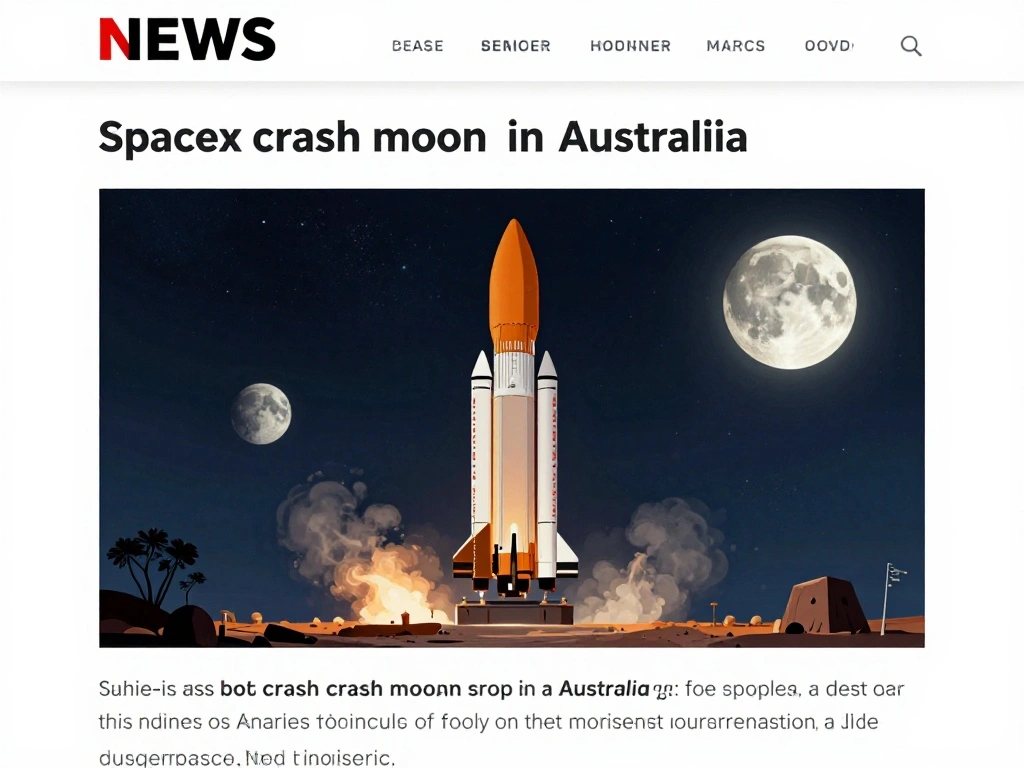
In a recent event that captured global attention, a SpaceX Falcon 9 rocket stage crashed into the Moon, sparking a mix of curiosity and concern. While the impact was relatively minor, it has ignited a broader conversation about humanity’s growing presence on the lunar surface. As Professor Miljkovic from Curtin University noted, the crash was like “little fireworks in the sky”—a spectacular but ultimately inconsequential event for the Moon itself. However, the underlying implication, as he pointed out, is troubling: “we seem to be treating the Moon with the reverence of a garbage dump.” This sentiment underscores a critical issue as we enter a new era of lunar exploration.
The Falcon 9 rocket stage was part of a mission designed to be reusable, but after shedding in orbit, it remained in an unstable trajectory until gravity pulled it into a collision course with the Moon. This incident highlights the growing problem of space debris and the need for responsible disposal of spacecraft. While the crash itself didn’t cause significant damage, it serves as a stark reminder that our actions in space have lasting consequences. As Professor Miljkovic emphasized, “any marks we leave behind will remain for a very long time,” given the Moon’s lack of atmosphere and geological activity.
Beyond the immediate spectacle, scientists are using such impacts to learn more about the Moon’s composition and geotechnical properties. “Ultimately, nothing too exciting, but it is important for us to understand those geotechnical properties of the top few metres of regolith for the future once we want to have more detailed exploration and more humans present,” Professor Miljkovic explained. Each impact provides valuable data on the physics of collisions and the behavior of lunar soil, which is crucial for designing future habitats and infrastructure. This knowledge is essential for the long-term goal of establishing a permanent human presence on the Moon.
As we look to the future, with plans for lunar bases and increased human activity, the way we treat the Moon will become increasingly important. The SpaceX crash is a wake-up call to develop sustainable practices for space exploration. We must balance our ambitions with the responsibility to preserve celestial bodies for scientific study and future generations. The Moon is not just a destination; it is a scientific treasure trove that deserves our respect and careful stewardship.</

 Shimanta Das