Protests in the United States: A Nation in Motion
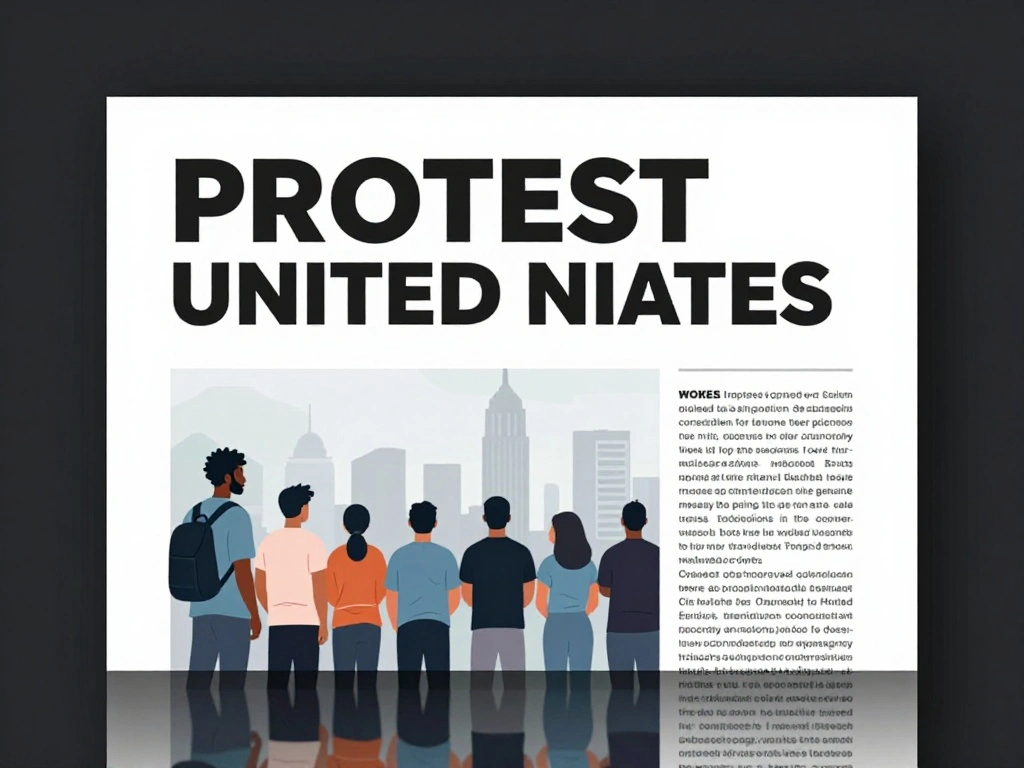
Protests have long been a cornerstone of American democracy, serving as a powerful outlet for citizens to voice their concerns and demand change. In recent news, the country has witnessed a surge in demonstrations, reflecting deep-seated societal and political divisions. From the massive “No Kings” rallies that drew an estimated eight million participants across more than 3,000 cities, to the ongoing debates over transgender athletes in sports, the United States is a nation in motion, grappling with its identity and future.
The “No Kings” protests, organized as a response to what critics call the “constant chaos” of the current administration, highlight a growing frustration among many Americans. These demonstrations, which have been ongoing since October, are not just about policy but about the very direction of the country. Organizers emphasize that the sheer scale of participation—millions taking to the streets—signals a deep-seated desire for accountability and change. The protests are a testament to the enduring power of grassroots movements in shaping public discourse and influencing political agendas.
Beyond the national stage, local events also underscore the breadth of protest activity. For instance, rallies surrounded a Fever-Lynx game following Sophie Cunningham’s stance on transgender athletes, illustrating how cultural issues can ignite passionate responses. Similarly, the murder of George Floyd in 2020 sparked a nationwide reckoning on racial justice, leading to months of protests and a renewed focus on police reform. The conclusion of the last criminal case against the officers involved in Floyd’s death in May 2023 fulfilled a key demand of protesters, showing that sustained activism can yield tangible results.
However, protests are not without controversy. They can disrupt daily life, strain public resources, and sometimes escalate into violence. Yet, they remain a vital mechanism for marginalized voices to be heard and for the nation to confront its most pressing challenges. As the United States continues to navigate political polarization, economic uncertainty, and social change, the role of protests in shaping the national conversation is more important than ever. Whether on the streets or in the halls of power, the echoes of these demonstrations will likely influence the country’s trajectory for years to come.

 Shimanta Das