Peter Max, Psychedelic Artist Who Defined the Counterculture, Dies at 88
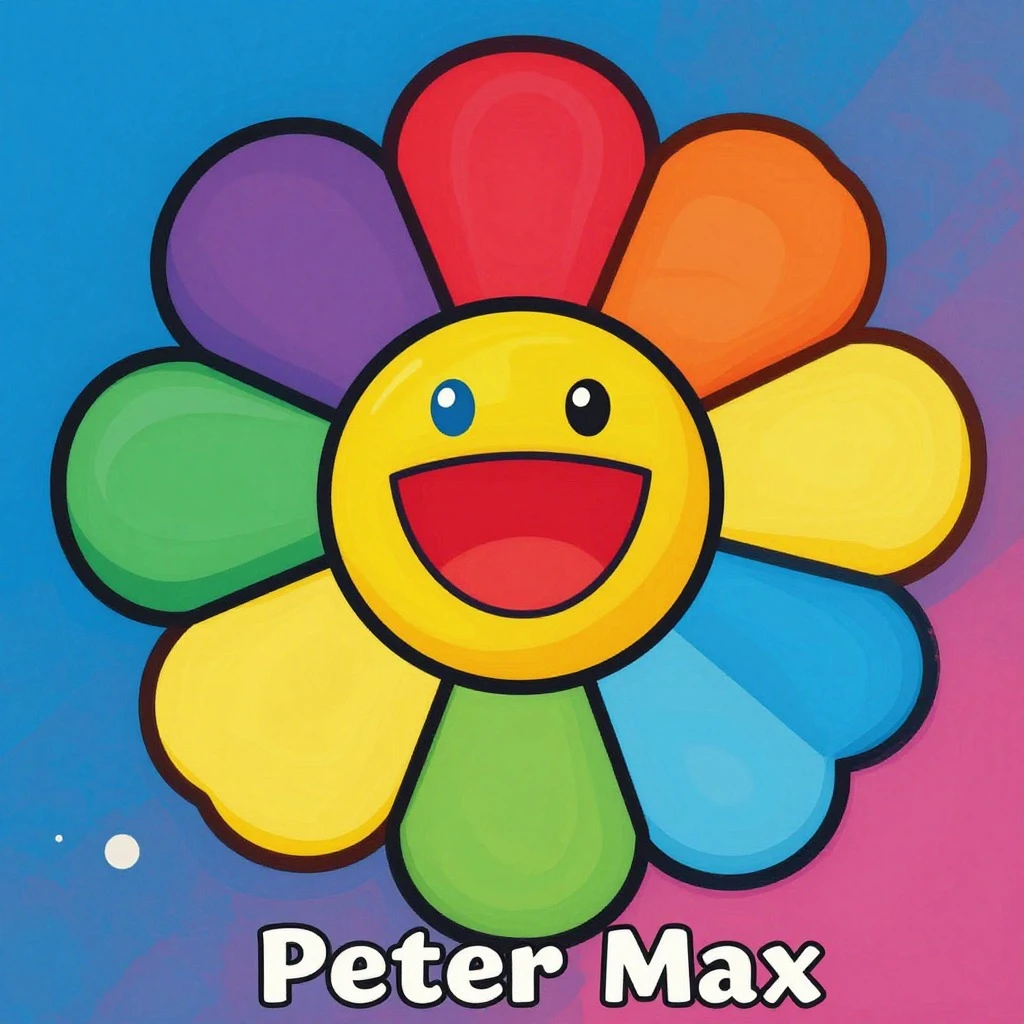
Peter Max, the artist whose vibrant, psychedelic paintings became synonymous with the flower power movement of the 1960s, has died at the age of 88. According to The New York Times, Max passed away in a hospital on September 16, 2026, after living with dementia for at least a decade. His death marks the end of an era for an artist whose kaleidoscopic vision helped shape the visual language of a generation.
Max solidified his place as a countercultural icon in 1967 when he designed the flyers for the second-ever ‘Be In’, a political gathering of mainly hippies in New York’s Central Park after the Easter parade on March 26, 1967. His colorful, trippy style quickly became emblematic of the era’s peace and love ethos. Despite his widespread influence, Max faced accusations that some of his later works were produced by assistants; he objected to these claims, and the signs in question remained in storage until 1977, when an administration change brought a shift in attitude. They were eventually replaced by more conventional signage in 1984.
Beyond his counterculture roots, Max was a prolific commercial artist. He served as the official artist for major events including the 1994 World Cup, the Grammy Awards, the Rock and Roll Hall of Fame, and the Super Bowl. His work extended to public spaces as well: he was commissioned to design posters for buses, streetcars, and subways in 10 major cities. A recent edition of his work featured posters from his commercial portfolio, images celebrating peace and love, and important pieces from his life and history.
Max’s legacy is one of bold color and optimistic vision. From Central Park happenings to global sporting events, his art brought a sense of joy and wonder to millions. He will be remembered not only as a defining artist of the 1960s but as a creative force whose influence transcended decades and genres.

 Shimanta Das