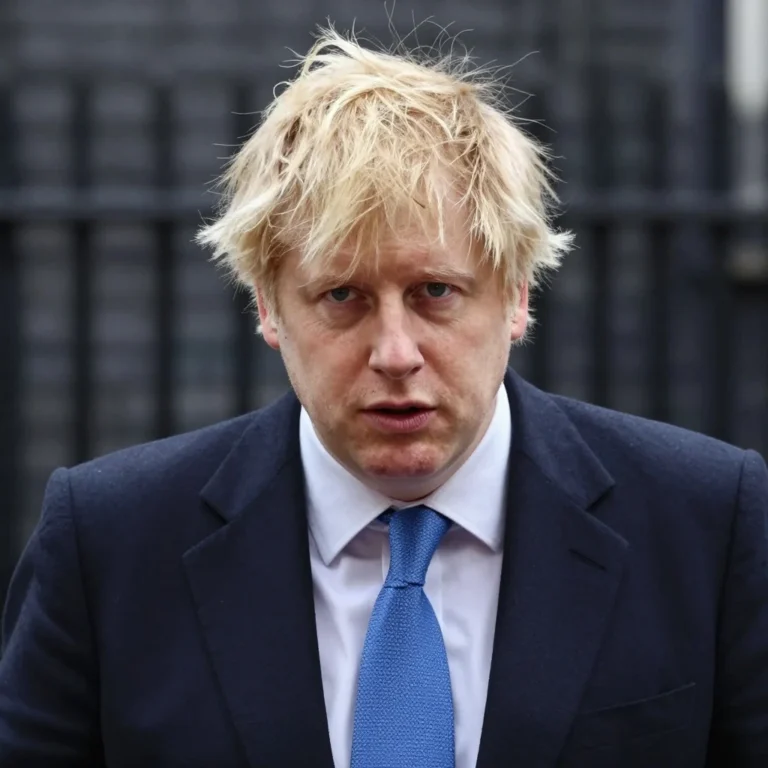
Netanyahu’s UK Controversies: From ‘Islamic Republic’ Jab to Labour’s Apology
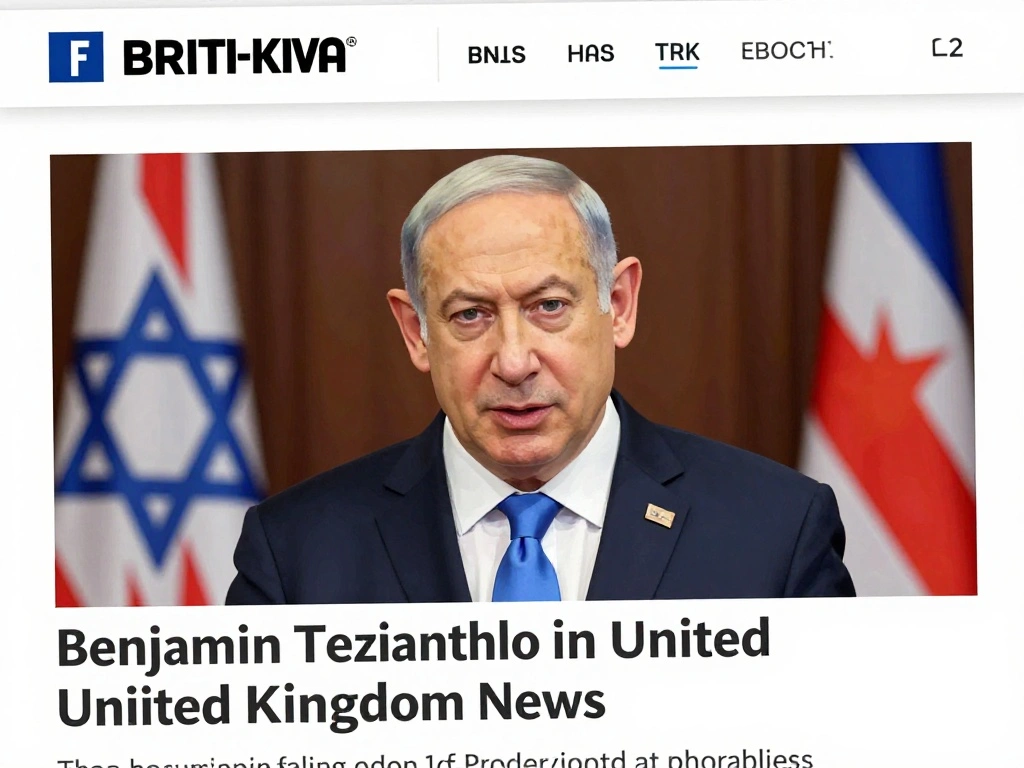
Israeli Prime Minister Benjamin Netanyahu has once again stirred controversy in the United Kingdom, this time by branding the nation “the Islamic Republic of Britain” in a podcast interview. The remark, made on military radio, was part of a broader critique of European governments’ stances on Israel. Netanyahu also incorrectly claimed that the UK was the first Muslim state to possess nuclear weapons, a statement that drew sharp criticism from political opponents and observers alike. The comments come at a time when Israel faces unprecedented global isolation, and Netanyahu’s inflammatory rhetoric has only deepened tensions with a key ally.
In a related development, Avi Dabush, a candidate for Israel’s opposition Democrats party, attacked Netanyahu for mocking a critical ally. Dabush argued that such behavior is reckless, especially when Israel needs international support. The UK’s response has been measured, with Downing Street emphasizing the importance of dialogue with Israel while respecting the independence of the International Criminal Court (ICC). This follows the ICC’s issuance of an arrest warrant for Netanyahu over alleged war crimes, a move that the UK government has acknowledged without endorsing.
Meanwhile, the political landscape in the UK is shifting. Shortly before becoming prime minister, the Labour leader apologized for the party’s initial response to Israel’s military action in Gaza, admitting, “We didn’t get it right.” This signals a significant change in the UK’s approach to the Middle East under new leadership, potentially paving the way for a more balanced foreign policy. The apology was seen as an attempt to heal divisions within the party and rebuild trust with Muslim communities across Europe, who have been increasingly critical of Israel’s actions.
Netanyahu’s recent interactions with UK officials have been fraught with tension. When asked about the prime minister’s willingness to engage with Netanyahu, a spokesman said it was “obviously important that we have a dialogue with Israel on all levels,” describing the country as “a key partner across a range of areas.” However, the arrest warrant has complicated matters, with Downing Street stating that the UK respects the ICC’s independence and remains focused on pushing for an immediate ceasefire in Gaza. As Netanyahu continues to face international scrutiny, his relationship with the UK remains a delicate balancing act between diplomatic necessity and public condemnation.

 Shimanta Das