Naples Bradyseism: Aftershocks, Injuries, and Reassurance Amid Campi Flegrei Unrest
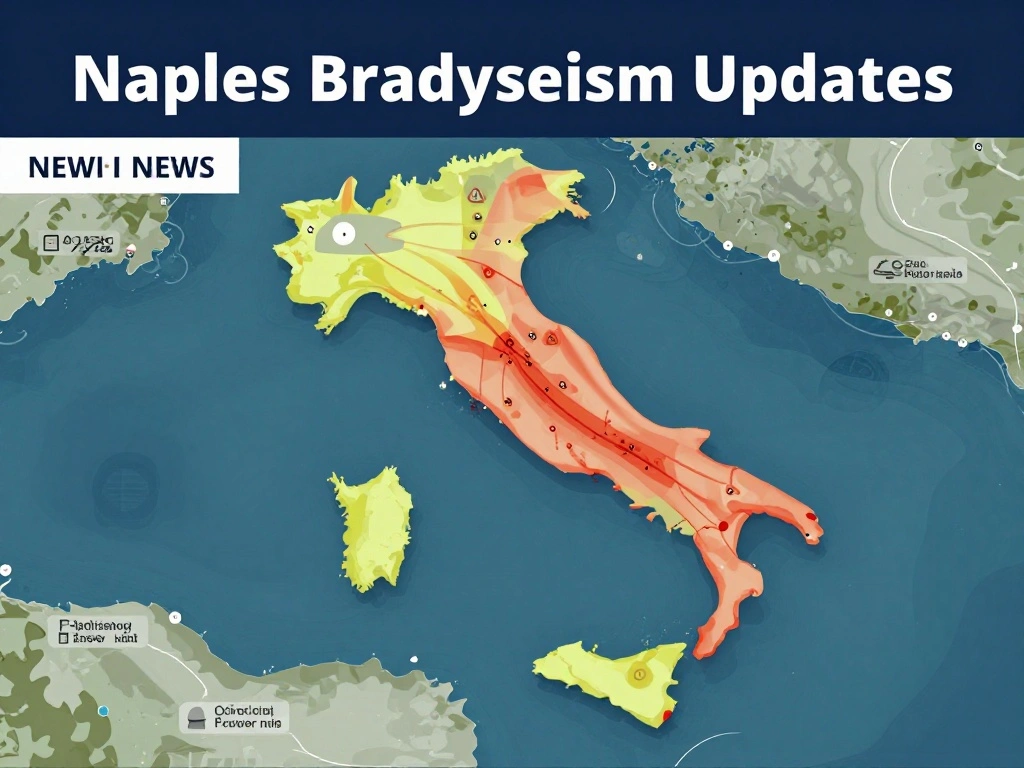
In a dramatic display of geological unrest, the Campi Flegrei area near Naples, Italy, experienced a significant seismic event that shook residents and prompted a coordinated response from authorities. The main shock, which struck on [date], was followed by at least 10 aftershocks, with the largest registering a magnitude of 3.0, as confirmed by the National Institute of Geophysics and Volcanology (INGV). The tremors were felt sharply across the region, including on the islands of Procida and Ischia, causing widespread alarm and leading to a series of precautionary measures.
As of Saturday morning, August 1, the Italian Civil Protection Department’s crisis unit remained active, coordinating efforts to assess the situation. Civil Protection Minister Nello Musumeci reported that 21 people were injured, with two admitted to hospital in serious condition. The majority of injuries were light, resulting from falls or shock while fleeing their homes. Despite the initial panic, no formal evacuation of Naples or its metropolitan area was ordered, and authorities urged residents to remain calm and follow official advice.
The technical data emerging during a summit at the Prefecture provided crucial reassurance. The earthquake was characterized as a “deep” and isolated event, which helped explain the limited damage. Mayors and special commissioners from coastal municipalities and islands confirmed the absence of damage to buildings and infrastructure during field inspections. However, the alert remains high on the preventative front: the Port Authority is continuing monitoring activities along the entire coastline to rule out any possible collapse of cliffs or instability in fragile coastal stretches.
This seismic episode, part of the ongoing bradyseism phenomenon in the Campi Flegrei caldera, underscores the delicate balance between natural forces and human resilience. While the event caused power outages, disrupted train and metro services, and damaged some buildings, the swift response and lack of critical issues offer a measure of relief. As the region remains on alert, residents and authorities alike are reminded of the importance of preparedness and vigilance in a geologically active area.

 Shimanta Das