Israel’s Critical Election: Netanyahu Fights for Survival as Voters Deliver Record Turnout
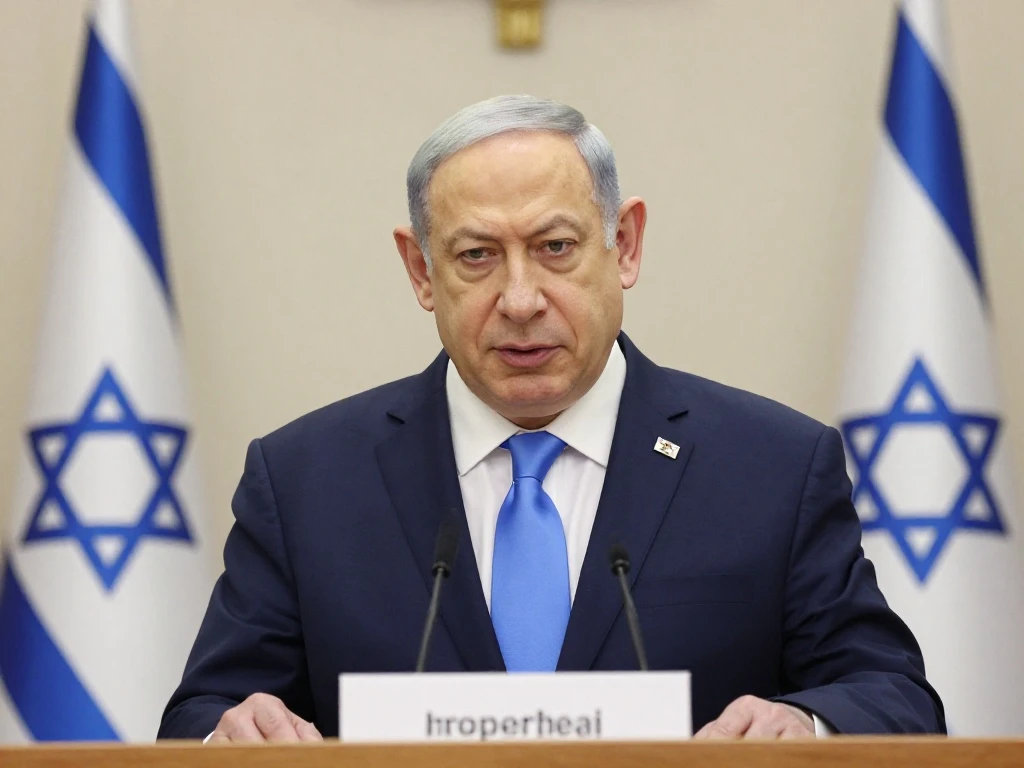
Israelis went to the polls in what has become a referendum on Prime Minister Benjamin Netanyahu’s political survival, and early indications suggest the country may be heading toward another stalemate. Exit polls published by major television networks at 10 p.m. local time showed no clear winner, with both Netanyahu and his main rival, former military chief Gadi Eisenkot, appearing short of an outright path to victory. The results, if confirmed, would prolong the political uncertainty that has gripped Israel through a tumultuous campaign season.
One of the most striking features of the election was record turnout, the highest since at least 1999. By late afternoon, hours before polls closed, turnout in some Arab-majority towns had already exceeded the totals from the 2022 election, signaling intense voter engagement across the spectrum. Officials will now begin the painstaking process of counting votes and tabulating results, with the final outcome likely to hinge on coalition negotiations rather than the raw popular vote.
The campaign itself was defined by several divisive issues that cut across Israeli society. Netanyahu, seeking to extend his long tenure, praised his relationship with a key international partner in the war against Iran and warned that anyone else would be the “wrong leader” for Israel. Yet the race remained fluid until the end, with Eisenkot—whose storied military career is seen as a major asset in Israeli politics—mounting a serious challenge. In a parliamentary democracy like Israel, no party is expected to win anywhere near an outright majority, meaning the next government will depend on complex coalition-building.
As the vote count unfolds, all eyes will be on which candidate can assemble a viable governing bloc. The high turnout suggests a mobilized electorate, but the fragmented party system may once again produce a prolonged period of uncertainty. For Netanyahu, the stakes could hardly be higher: a loss would mark a dramatic fall from power, while a narrow win would still leave him governing from a precarious position. Either way, Israel’s political future remains as unpredictable as the campaign that just concluded.

 Shimanta Das